Mr. Shen has been having a headache recently—a batch of rosewood imported from Southeast Asia has been stuck at customs for two full weeks, incurring storage fees of up to 5,000 yuan per day. Such scenarios are not uncommon in Dongguan's timber trade circle. As a global furniture manufacturing hub, Dongguan imports over a million cubic meters of timber annually, but minor oversights in the customs declaration process can lead to huge losses. This article will break down the core procedures, common pitfalls, and compliance strategies for Dongguan timber import customs declarations, providing a practical guide for traders.
I. Three Key Steps in Timber Import Customs Declaration
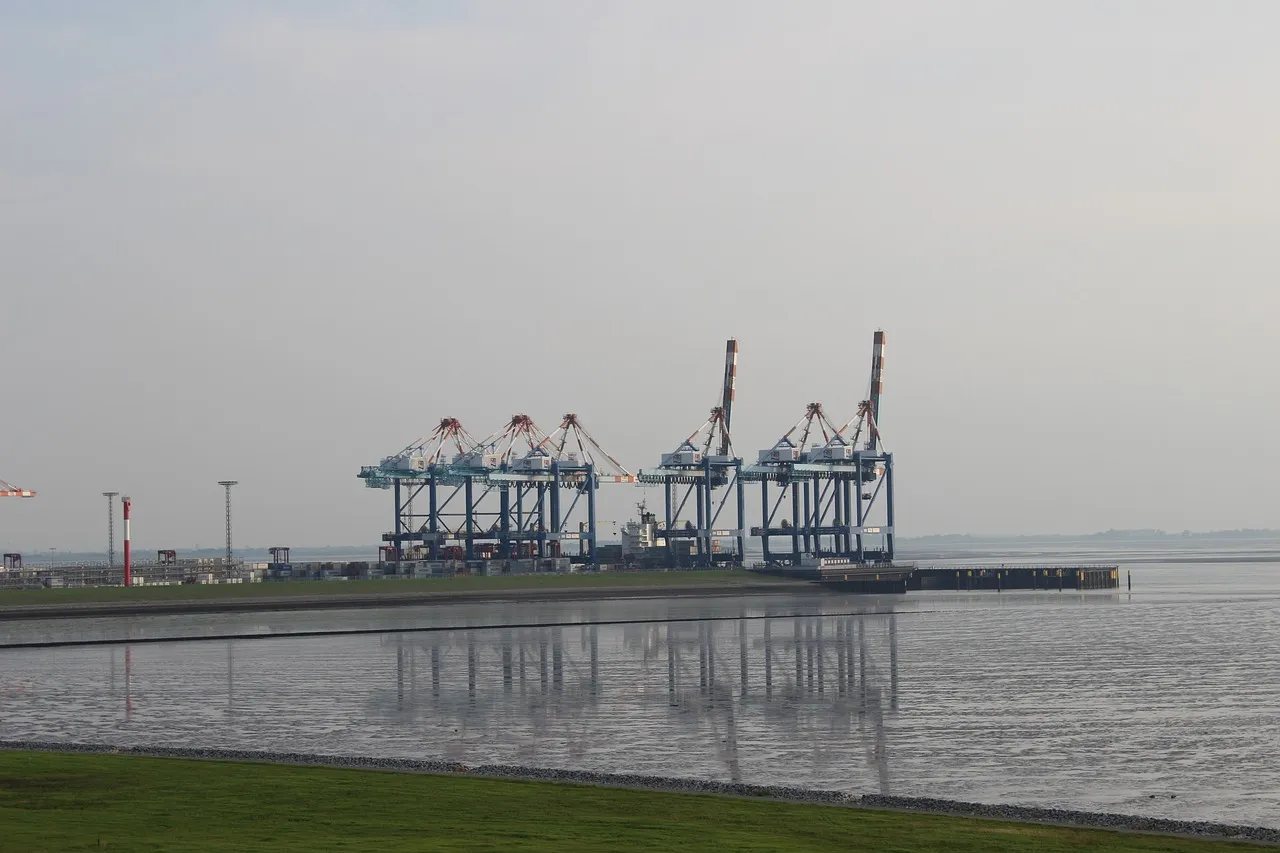
Unlike general cargo, timber products require overcoming three 'technical hurdles' in customs declaration:
- Species Compliance Verification: Endangered species such as red sandalwood and rosewood, regulated by the CITES convention, require additional species certificates.
- Special Quarantine Requirements: Logs must undergo fumigation treatment and be accompanied by an official phytosanitary certificate from the exporting country.
- Accurate Tariff Classification: Timber of different processing levels is subject to varying tariff rates from 4% to 20%.
Cases from the Zhongmaoda customs declaration team show that 23% of timber return incidents at Dongguan port in 2023 stemmed from missing quarantine documents.
II. Four Major Declaration Misconceptions 90% of Enterprises Have Fallen Into
Mr. Shen lesson is worth heeding: Her declared 'kiln-dried rubberwood' was determined by customs to be 'untreated timber' due to excessive moisture content, resulting in a supplementary tax payment of 180,000 yuan:
- Confusing HS Codes: Significant differences in declaration categories for lumber and logs
- Underestimating Quarantine Standards: Timber from EU countries requires separate treatment for pine wood nematode risk
- Ignoring Rules of Origin: ASEAN preferential tariffs require FORM E certificates
- Incorrect Reporting of Measurement Units: Some timber requires simultaneous declaration in cubic meters and kilograms
III. Three Practical Strategies for Efficient Customs Clearance
For major entry ports like Dongguan Port and Huangpu Port, it is recommended to adopt:
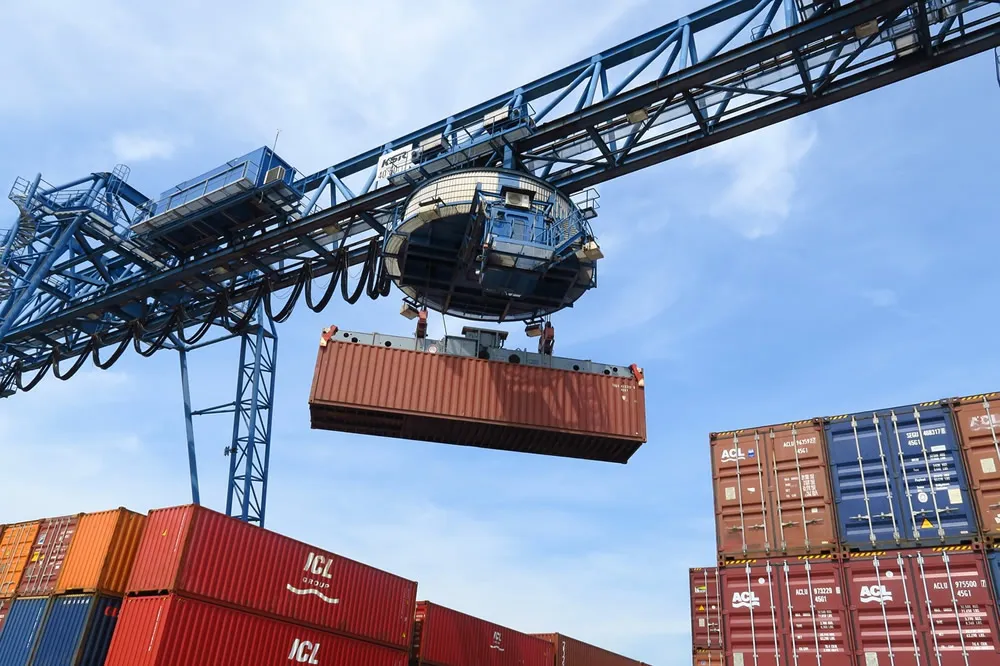
- Pre-classification Services: Obtain customs pre-classification opinions 30 days in advance
- Customs Visualization: Real-time tracking of inspection progress through the customs declaration system
- Risk Pre-assessment Mechanism: Conduct double verification of compliance for high-value timber
After a certain furniture group adopted pre-classification services, their average customs clearance time was reduced from 5 days to 8 hours.
IV. Future Trends: Breakthroughs in Smart Customs Declaration
With the upgrade of customs' 'smart inspection' system, timber customs declaration is exhibiting new characteristics: CT machine inspection is replacing some manual unboxing inspections, but simultaneously, requirements for declaration accuracy are higher. Enterprises are advised to:
- Establish a timber database, recording parameters such as moisture content and pest treatment for each batch
- Train dedicated customs declarants to learn the latest version of imported timber quarantine procedures
- Consider professional agency services to share compliance risks
When a batch of timber worth millions is detained at the port, every hour of delay is rewriting the profit statement. Are you ready to face the next customs declaration challenge? Feel free to share your customs clearance experiences in the comments section, or send a private message to get the full version of the Dongguan Timber Import White Paper.

Recent Comments (0) 0
Leave a Reply