Have you ever wondered how that bottle of authentic maple syrup on your dining table, that high-quality health supplement in your medicine cabinet, or that original English book in the corner of your study travels halfway around the world to reach you? Canadian import agents are the invisible bridges along this cross-border supply chain. Today, we will unveil this multi-billion dollar industry and guide you to discover the business secrets hidden behind customs documents.
Why Choose to Import from Canada?
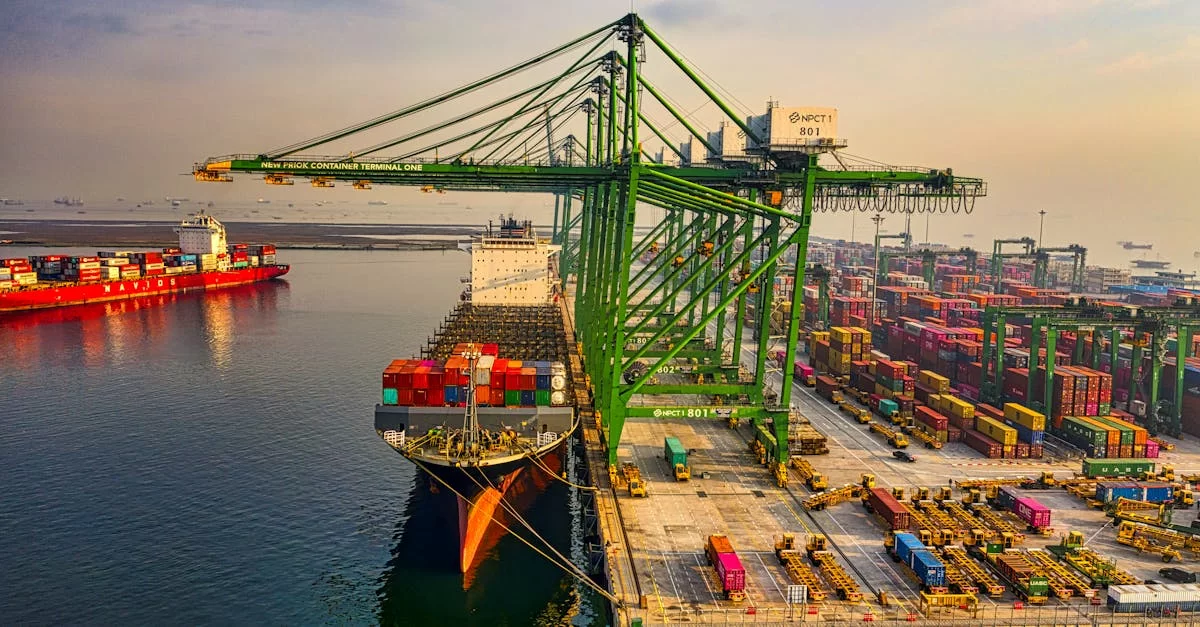
In the global import market, Canadian products stand out with their triple core competitiveness:
- Strict Quality Certification: From food GMP to medical device ISO13485, Canadian standards are recognized by 60 countries.
- Cultural Premium Space: Specialty products like ice wine and down products have an average premium of over 30% domestically.
- Policy Friendliness: The Sino-Canadian bilateral trade agreement covers 92% of tariff items.
Three Key Links in the Agency Industry
Mr. Shao, who has been importing Canadian seafood for five years, his work log reveals the industry's core:
- Product Selection Radar: Predict customs clearance difficulty through HS codes, avoiding sensitive categories like health supplements.
- Logistics Sandbox: Direct shipping from Vancouver Port saves 11 days compared to transiting through Montreal, but increases costs by 23%.
- Compliance Firewall: Canadian CFIA certification and domestic food and drug administration filing need to be synchronized.
Four Pitfall Avoidance Guides for Newcomers
Mr. Shao first import experience is a textbook case:
- Opted for Zhongmaoda's LCL service during the testing phase to reduce trial-and-error costs.
- Applied for organic certification 6 months in advance to avoid cargo detention at the port.
- Purchased C$500,000 in customs duty insurance to cope with unexpected trade policy adjustments.
- Established a local Canadian inspection team, with the spot-check rate directly impacting the return rate.
Industry Wind Vane for the Next Three Years
With the deepening of the RCEP agreement, Canadian import agencies are showing new trends: cross-border e-commerce small packages (
When you pick up that jar of blueberry jam at the supermarket, it has already gone through the precise collaboration of 17 links. There are always new positions in this value chain – perhaps the next opening is waiting for you to join. Now, take a moment to consider: which Canadian products around you still have room for supply chain optimization? Feel free to share your findings in the comment section.

Recent Comments (0) 0
Leave a Reply