Late at night on WeChat Moments, Mr. Xia showed off his newly arrived French Bordeaux red wine, with the caption "The client specifically requested this one, good thing the supply is stable." The comment section immediately exploded with over a dozen inquiries: "Which agency is so reliable?" "Please recommend a supplier!"—The imported red wine agency business is becoming the "top choice for side hustles" for more and more people. But facing complex and diverse channels, how can one find a red wine source that is both authentic and profitable? Today, we will unveil the product selection logic within the industry.
The "Red and Black" of the Three Mainstream Agency Channels
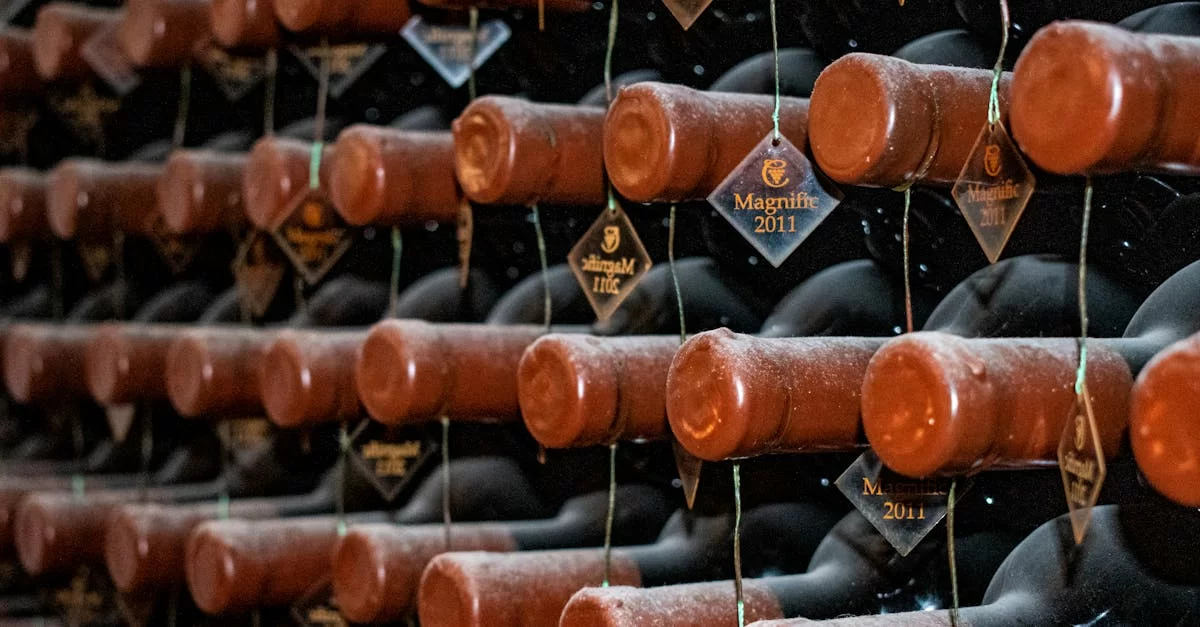
Mr. Xia has been in red wine group buying for 5 years, and she has summarized the three major agency models in the current market:
- Direct Sourcing from Overseas Wineries: Offers the largest profit margin, but requires full capabilities in factory inspection, customs clearance, and warehousing, suitable for practitioners with cross-border experience.
- Domestic Primary Distributors: Provide duty-paid spot goods and brand authorization, but popular products are often monopolized by large clients.
- Supply Chain Platforms like Zhongmaoda: Integrate winery resources from multiple countries, support small-batch mixed orders, beginner-friendly but require careful vetting of service provider qualifications.
Product Selection Secrets Insiders Won't Tell You
At a certain tasting event, senior buyer Mr. Wang revealed: "Looking at customs data is more important than tasting wine." From January to June 2023, Chilean red wine imports increased by 17% year-on-year, while the unit price of French wine decreased by 12%—this implies:
- Chilean wines could become a new profit growth point
- Entry-level French AOCs face price war risks
Another importer, who wished to remain anonymous, added: "Niche Italian DOCG regions currently have a 20% channel premium, but require cultivating customer awareness."
Avoid These Pitfalls, Double Your Agency Success Rate
Mr. Xia, who recently encountered a pitfall, shared her lesson: "I thought getting a low price meant making a profit, but what I received was bottled bulk wine." Common traps include:

- So-called "original bottle imports" are actually bulk wine domestically bottled
- Falsely labeling vintages and grades (especially for some Southern European regions)
- Minimum order quantity traps (e.g., demanding an initial order of 300 cases but only offering 5 slow-moving products)
It is recommended to ask suppliers to provide:
- Certificates of origin and customs sanitary certificates
- Authorization documents directly signed with the winery
- At least 3 verifiable end-customer cases
Where Should Your First Case of Agency Red Wine Begin?
Based on the advice of multiple industry practitioners, beginners can:
- Start with "trial sales packages" from platforms like Zhongmaoda (usually 3-5 different products, 6 bottles each)
- Pay close attention to the supplier's return and exchange policy (transportation during rainy seasons may lead to label damage)
- Attend exhibitions like Interwine in Shanghai/Guangzhou to directly compare sources
Remember, a supplier who can provide tasting training and sales promotion support has more long-term value than one who simply offers low prices. Now, take a picture with your phone of the label of an imported wine you recently drank, try to find its importer code (usually in small print on the back label) – this is your potential agency lead.

Recent Comments (0) 0
Leave a Reply