When a German CNC machine tool worth millions was stranded at the Port of Shanghai, Mr. Guan company had to bear nearly 10,000 yuan in storage fees daily. This is not an isolated case—according to statistics, the error rate for mechanical import customs declarations at Shanghai port in 2023 reached a high of 17%, with 63% stemming from improper agent selection. This article will unveil the inner workings of professional customs declaration agents, helping you avoid those costly "hidden pitfalls."
Why is Mechanical Import Customs Declaration So Special?
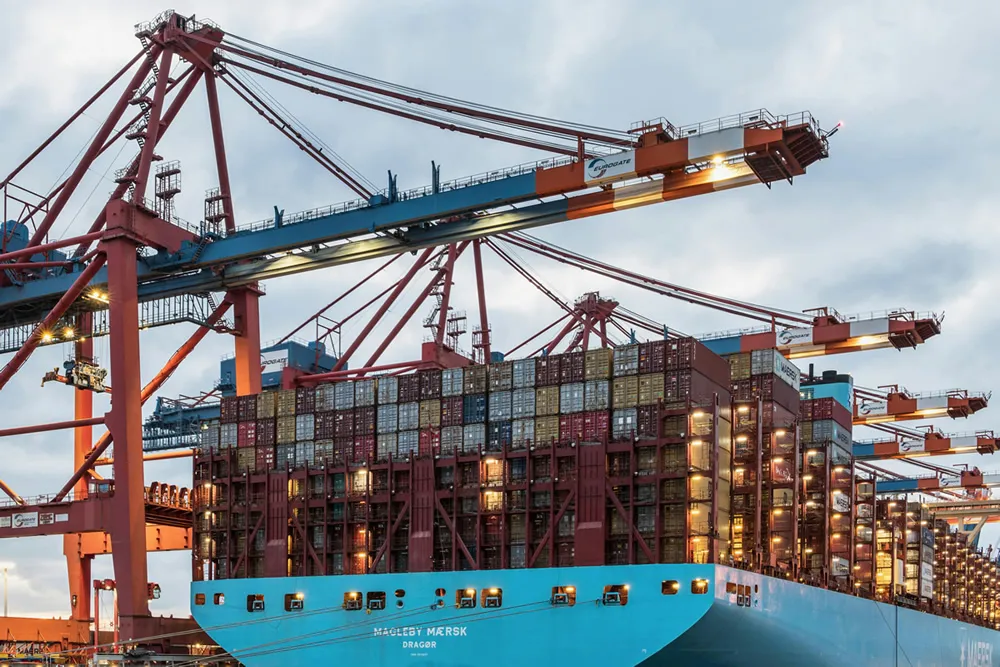
Unlike ordinary goods, mechanical equipment customs declaration faces three unique challenges:
- Complex customs codes: The HS code for a CNC machine tool can be precise to the sixth decimal place
- Strict documentation requirements: Original manufacturer's manuals, mechanical and electrical permits, and 3C certifications are indispensable
- High inspection risks: Opening the container for inspection may lead to loss of precision in delicate equipment
Mr. Guan lesson is worth heeding: her agent misdeclared a laser cutting machine as "metal processing equipment," resulting in a supplementary tax payment of 300,000 yuan, and project delay compensation amounting to 15% of the contract value.
Five Core Capabilities of a Professional Agent
High-quality agents like Zhongmaoda typically possess:
- Pre-classification services: Determining the customs code 30 days in advance, with an accuracy rate of up to 99.2%
- Customs affairs visualization system: Real-time tracking of cargo status at the port
- Emergency response team: Responding to inspection anomalies within 3 hours
- Industry database: Accumulating over 5000 declaration cases for mechanical product categories
- Tax planning capabilities: Leveraging free trade zone policies to reduce tariffs
Pitfall Avoidance Guide: Four Golden Standards for Selecting an Agent
It is recommended to vet agent qualifications through "observation, inquiry, examination, and palpation":
- Review customs clearance records for similar equipment in the past 12 months
- Verify AEO advanced certification enterprise status
- Request complete Standard Operating Procedure (SOP) documents for the service process
- Test the professional question-and-answer response speed of the customs affairs team
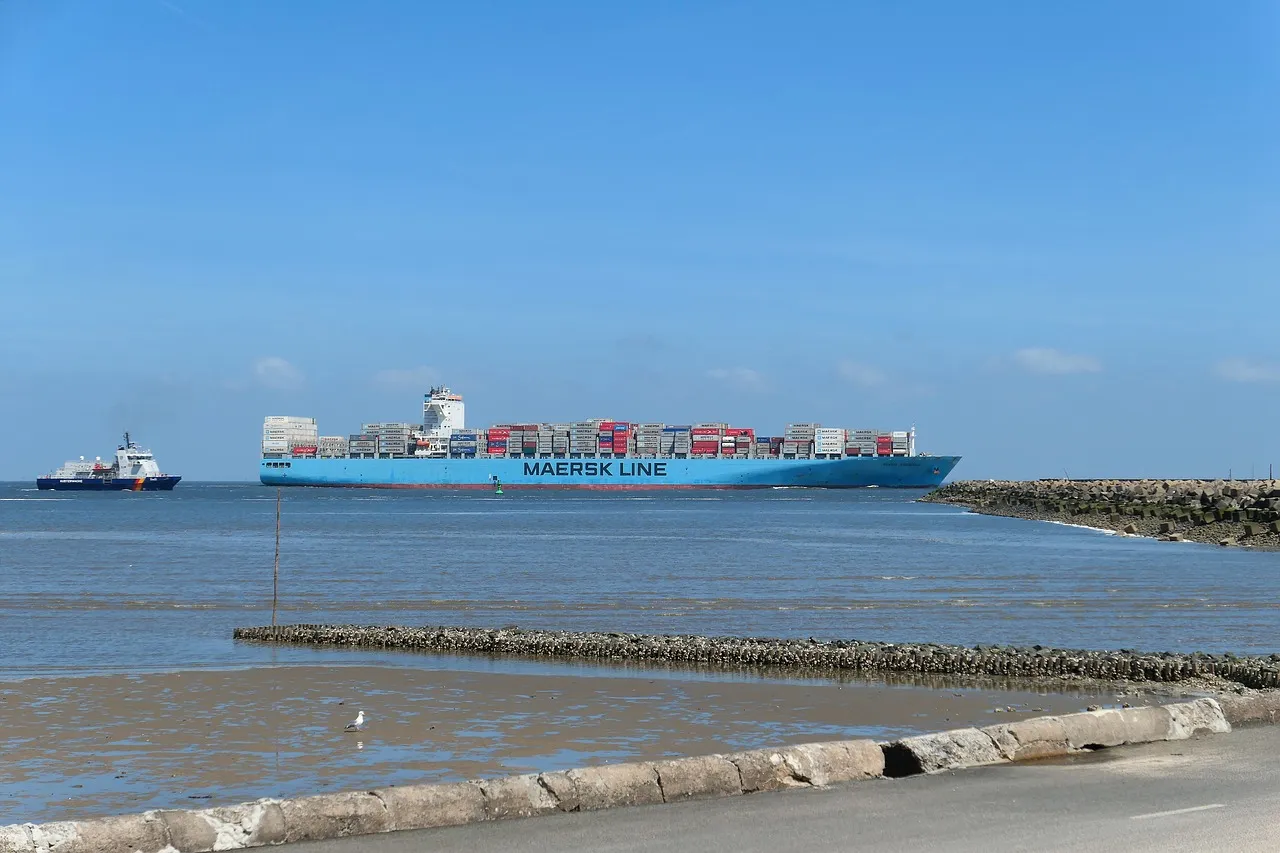
A German company that used this method reduced its average customs clearance time from 14 days to 6.5 days.
Future Trends: The Rise of Intelligent Customs Declaration
With the advancement of customs' "smart customs clearance" reform, mechanical customs declaration in 2024 will feature:
- AI automatic recognition technology replacing manual classification
- Blockchain technology for instant document verification
- Big data early warning for declaration risk points
However, technology can never replace experience—just as even the most advanced CT scanner requires a doctor's interpretation, intelligent systems still need experienced customs declarants to control key nodes.
Is Your Mechanical Customs Declaration "Going Naked"?
Take a quick self-assessment: Are you clear about the customs valuation standards for your equipment? Can you prepare all emergency documents within 2 hours? If the answer is no, it may be time to re-evaluate your customs declaration strategy. Welcome to share your customs clearance challenges in the comment section, and we will select 3 typical cases for professional analysis.

Recent Comments (0) 0
Leave a Reply