On the global stage of international trade, enterprises are constantly striving to find ways to reduce costs and enhance competitiveness. Export tax rebates in bonded areas are undoubtedly a crucial "key" in this endeavor. Today, let us embark on a journey to explore the mysteries of this field and see what benefits it can bring to enterprises.
What is Export Tax Rebate in Bonded Areas?
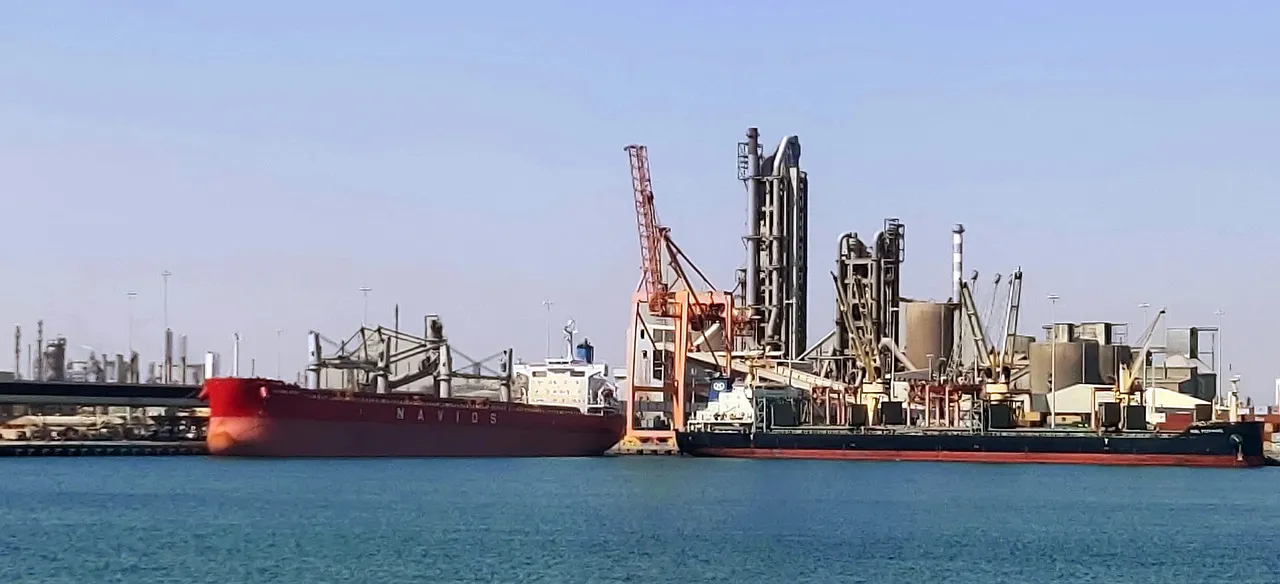
Simply put, export tax rebate in bonded areas refers to a tax system where, after goods declared for export to bonded areas have actually left the country, tax authorities refund the indirect taxes such as value-added tax and consumption tax that have already been paid in the domestic production and circulation stages to the exporting enterprise. This system aims to enable exported goods to enter the international market at a tax-exclusive price, avoid double taxation on goods in cross-border circulation, and enhance the competitiveness of domestic products in the international market.
For example, Mr. Tan enterprise produces a certain electronic product. The product enters a bonded area and is ultimately exported. In this process, the relevant taxes paid in the preceding production stages can be applied for refund under compliant conditions. This greatly alleviates the financial pressure on the enterprise, allowing it to have a more advantageous pricing position in the international market.
Advantages of Export Tax Rebates in Bonded Areas
- Capital Recovery: For enterprises, the timely receipt of tax rebates is like injecting fresh blood into the company, significantly improving its cash flow situation. Enterprises can reinvest this capital into important areas such as production research and development or expansion, thereby promoting better development.
- Cost Reduction: Tax rebates directly reduce the export costs for enterprises, making their products more competitive in terms of price in the international market. For instance, for the same product, the price after tax rebate might be a few percentage points lower than before, which is enough to attract more overseas customers in the fiercely competitive international market.
- Trade Facilitation: Bonded areas themselves possess special policy advantages and convenient customs clearance conditions. Combined with the export tax rebate policy, enterprises can not only enjoy efficient logistics and customs clearance services during import and export processes but also receive tax support, further enhancing trade efficiency.
How to Apply for Export Tax Rebates in Bonded Areas
Firstly, enterprises must possess import and export rights and complete the relevant tax registration and tax rebate filing procedures. Mr. Tan enterprise had previously experienced delays in its tax rebate application due to not completing the filing in a timely manner. Therefore, this step is crucial.
Secondly, after the goods are exported, enterprises must promptly obtain the customs declaration form for exported goods, export invoices, and other relevant documents, and ensure the accuracy and completeness of the information in these documents. These documents are important basis for applying for tax rebates.
Then, enterprises need to log in to the electronic tax bureau or other relevant platforms, fill out the tax rebate application form truthfully according to the prescribed procedures and requirements, upload relevant document materials, and submit the tax rebate application. The tax authorities will conduct a strict review after receiving the application. Upon successful review, the enterprise will smoothly receive the tax rebate funds.
Points to Note During the Application Process
Timeliness is critical. Enterprises must declare for tax rebates within the prescribed period; late declarations may result in the inability to enjoy the tax rebate policy. At the same time, the authenticity and compliance of the documents should not be overlooked. Once fraudulent documents or other violations are discovered, not only will the tax rebate application be rejected, but the enterprise may also face severe penalties.
In addition, enterprises need to closely follow policy changes. With the changes in the international trade landscape, policies regarding export tax rebates in bonded areas may be adjusted. Only by keeping abreast of policy dynamics can enterprises ensure the smooth progress of their tax rebate applications.
In conclusion, export tax rebates in bonded areas are a highly valuable policy for enterprises. Enterprises should fully understand and reasonably utilize this policy to gain more opportunities for their development. We hope that a wide range of enterprises will actively explore and fully leverage this financial and tax code to ride the waves and achieve better development in the tide of international trade.

Recent Comments (0) 0
Leave a Reply