"Mr. Su earned an extra 2 million last year through cross-border e-commerce, and Mr. Su factory doubled its orders because of one certificate..." Stories like these are becoming increasingly common on social media. Import/export rights, once considered an exclusive privilege for large enterprises, are now becoming the growth secret for SMEs. Today, we will break down: the complete guide to applying for import/export rights, hand-in-hand to help you seize cross-border opportunities.
Why are Import/Export Rights Essential?
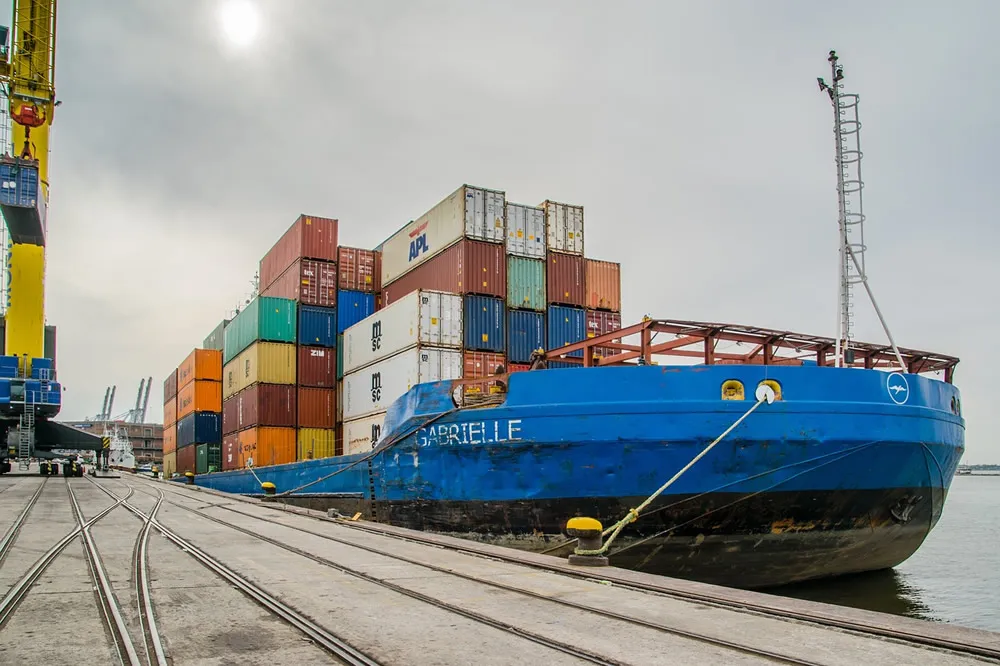
When your customer suddenly asks "Can you issue an invoice?" or "Can you declare customs directly?", enterprises without import/export rights often can only awkwardly shake their heads. Data shows that the number of SMEs in cross-border e-commerce surged by 47% year-on-year in 2023, and enterprises with import/export rights gain an average of 32% more order opportunities. It not only means the ability to independently handle key processes such as foreign exchange settlement and tax rebates but also serves as a "trust endorsement" in the eyes of international clients.
Three Core Conditions for Applying for Import/Export Rights
- Scope of Business License: Must include clauses related to "import and export of goods" or "import and export of technology".
- Basic Bank Account: Foreign currency account function needs to be enabled (it is recommended to communicate with your account manager in advance).
- Customs Registration: The legal representative of the enterprise must personally handle the electronic port card.
Zhongmaoda experts remind: Requirements for registered capital may vary significantly by region. For example, pilot cities in free trade zones usually waive minimum limits, while traditional trade zones may require paid-in capital of over 500,000.
Complete the Application Process in Five Steps
Taking the Yangtze River Delta region as an example, the standard process takes about 20 working days:
- Step 1: Filing with the Commerce Bureau Submit the Foreign Trade Operator Registration Form and 4 other materials.
- Step 2: Customs Registration Obtain a 10-digit customs code (validity is permanent).
- Step 3: Electronic Port Network Access The legal representative needs to process the IC card in person (recommend allocating half a day).
- Step 4: Filing with the State Administration of Foreign Exchange Enable access to the Goods Trade Foreign Exchange Monitoring System.
- Step 5: Tax Rebate Recognition by the Tax Bureau Complete the Export Tax Rebate (Exemption) Registration Form.
Pitfall Avoidance Guide: Pitfalls 90% of Enterprises Have Stepped On
Mr. Su lesson: Rushing to accept orders without completing the customs annual report led to 200,000 yuan worth of goods being detained at the port. Common misconceptions also include:
- Ignoring the deadline for foreign exchange receipt and payment declarations (must be processed within 5 working days after payment).
- Confusing the qualification requirements for "self-declared customs clearance" and "agent customs clearance".
- Failure to complete inspection and quarantine registration in a timely manner (for special categories such as food and cosmetics).
What Can Be Saved by Acting Now?
With the promotion of "paperless customs clearance" reform, the process that originally required visiting 8 departments can now be completed online. However, please note: Customs may upgrade the enterprise credit management system in 2024, and the review period may be extended after the new regulations are implemented. It is recommended that enterprises planning cross-border business start their applications at least 3 months in advance.
Has your company ever encountered the awkward situation of "digging a well when you're thirsty"? Welcome to share your cross-border trade stories in the comment section, or send a private message to get the region-specific policy list. In the next issue, we will detail: how to leverage import/export rights to master the 1039 market procurement model.

Recent Comments (0) 0
Leave a Reply