In today's globalized world, international trade is flourishing, and international freight forwarding export business is becoming increasingly busy. For many people in the foreign trade industry, understanding the international freight forwarding export process is crucial. Today, let's delve into this process in detail so you can have a clear picture.
I. Export Preparation Stage
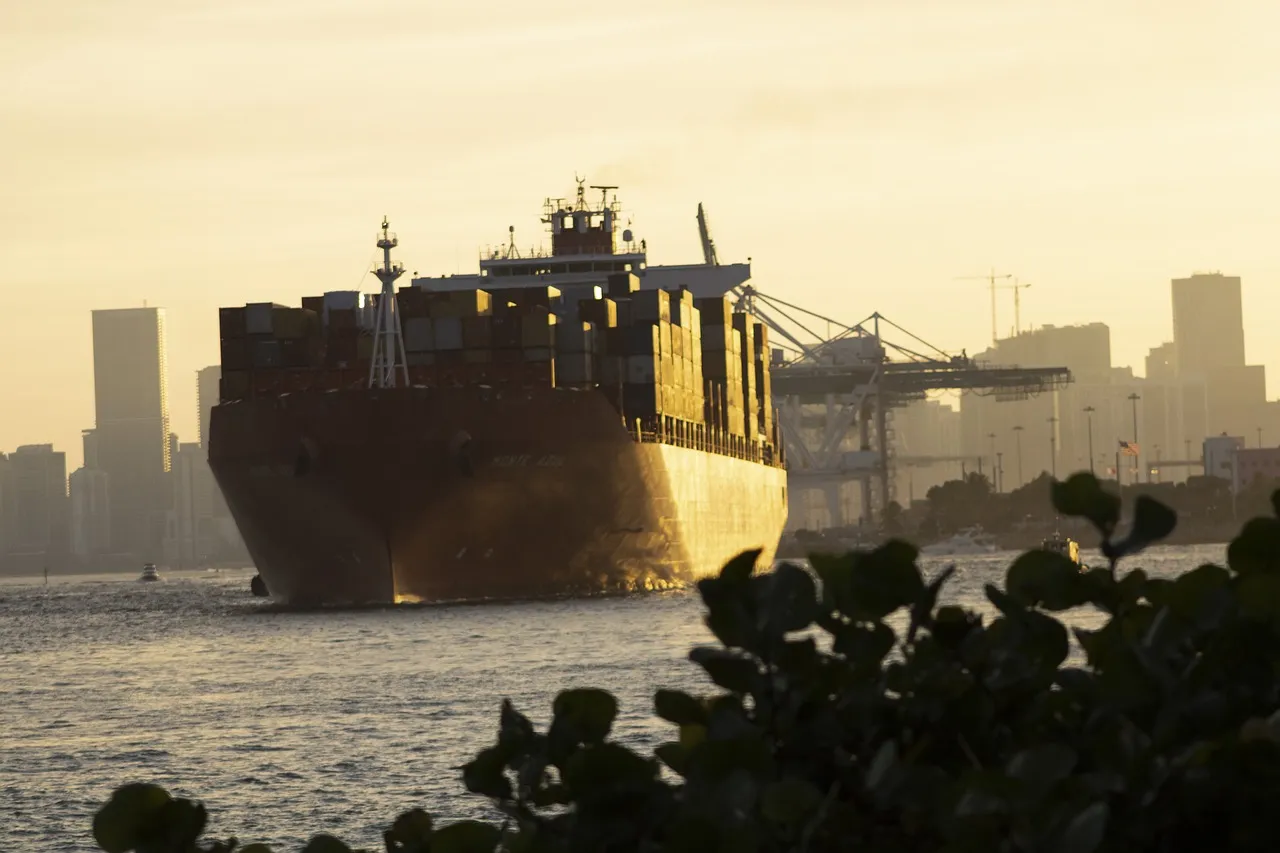
1. Order Acceptance and Review
When Mr. Ge receives an export order from a client, the first thing he needs to do is carefully review the order details. This includes information such as cargo name, quantity, specifications, and packaging requirements, ensuring that all information is accurate and error-free, which is the foundation for smooth subsequent business operations.
2. Booking Request
Based on the order details, Mr. Ge needs to submit a booking request to the shipping company or freight forwarder. The booking request must clearly state key information such as the cargo's port of origin, port of destination, and estimated shipping time, so that the shipping company can arrange suitable space.
II. Cargo Transportation Stage
1. Cargo Consolidation at Port
Once the shipping schedule is confirmed, Mr. Ge needs to arrange for the cargo to be transported to the designated port terminal for consolidation. During this period, attention must be paid to the safety of cargo transportation, ensuring that the goods arrive at the port on time and in good condition.
2. Customs Declaration and Inspection
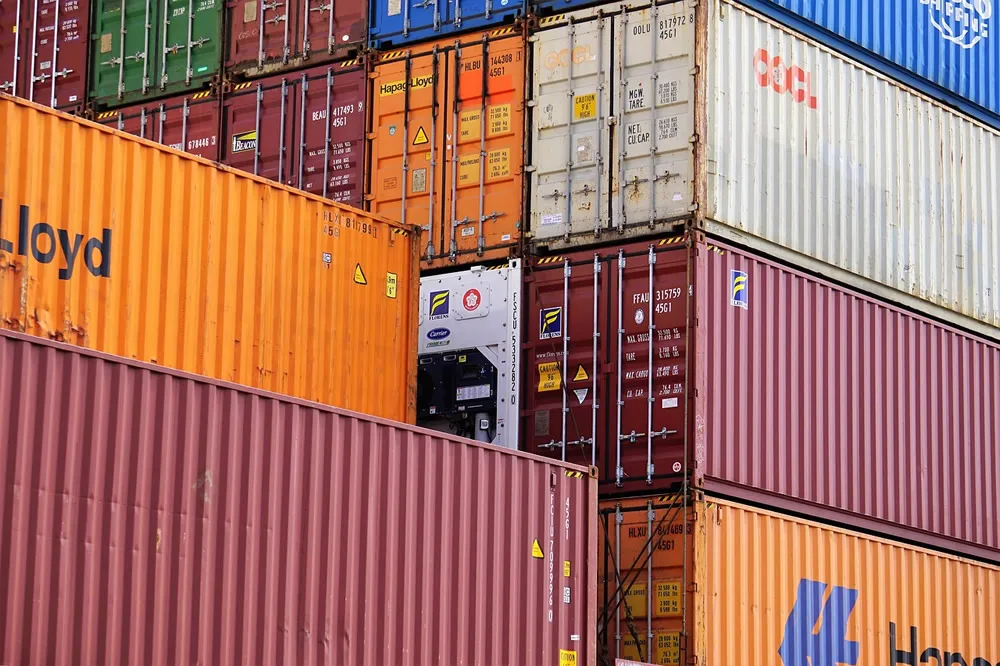
After the cargo arrives at the port, it enters the customs declaration and inspection stage. Customs declarants need to prepare various customs documents, such as commercial invoices, packing lists, and customs declarations, according to relevant regulations, to declare the export cargo information to customs. At the same time, for some goods requiring inspection and quarantine, corresponding inspection procedures must be completed to ensure the goods meet export requirements.
III. Vessel Loading and Departure Stage
1. Loading Operations
After a series of procedures such as customs declaration and inspection, if all goes smoothly, the cargo can proceed with loading operations. During the loading process, attention must be paid to the stacking method of the cargo to prevent damage during transportation.
2. Issuance of Bill of Lading
After the cargo is loaded, the shipping company will issue a bill of lading to the freight forwarder or shipper. The bill of lading is a document of title for the goods and an important basis for the consignee to pick up the cargo, so it must be properly kept.
IV. Post-Transportation Stage
1. Fee Settlement
After the cargo is shipped, fee settlement is required. The fees involved include freight, customs clearance fees, inspection fees, and various other charges. All parties must timely complete the payment and collection of fees according to the agreed-upon settlement method.
2. Cargo Tracking
Although the cargo has been shipped, the freight forwarder still needs to track the transportation status of the goods. This includes promptly knowing whether the cargo has arrived at the destination port on time, whether any abnormal situations have occurred, etc., to facilitate timely handling and protect the client's interests.
The international freight forwarding export process may seem complex, but as long as each link is treated seriously and operated strictly according to procedures and regulations, it can ensure smooth cargo export and the smooth conduct of international trade. Friends in the foreign trade industry, have you encountered any special situations during your actual operations? Feel free to leave comments and discuss; perhaps your experience can help more people.

Recent Comments (0) 0
Leave a Reply