In today's increasingly prosperous global trade, businesses are constantly expanding their operational territories, and the model of cross-border agency export is gradually coming into the public eye. For many enterprises, it holds immense business opportunities while also presenting unique challenges. So, what are the charms and difficulties of cross-border agency export? Let's delve deeper together.
What is Cross-border Agency Export?
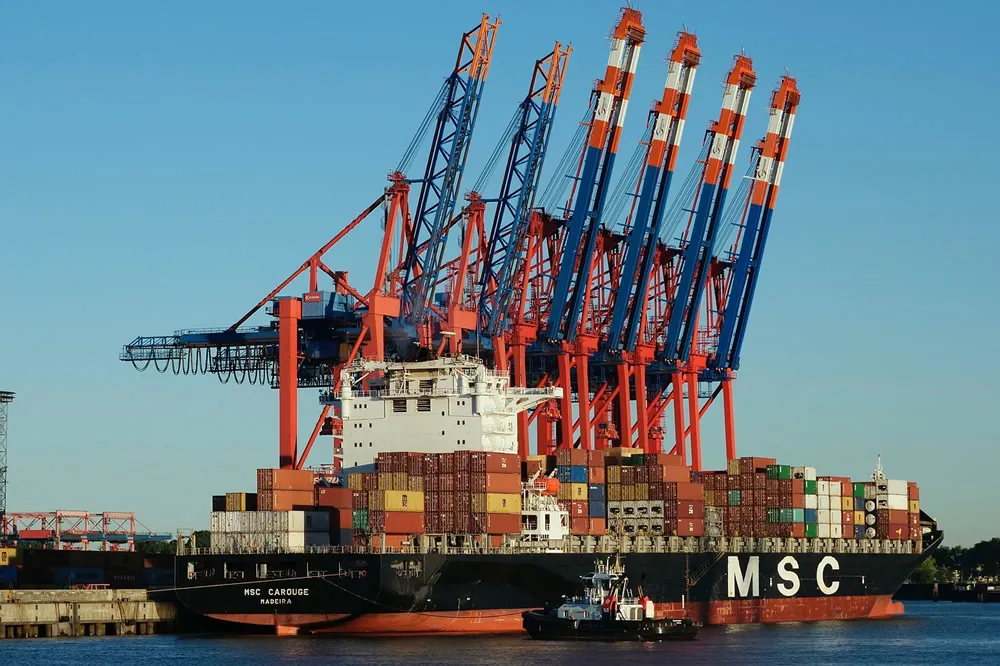
Simply put, cross-border agency export refers to a manufacturing enterprise entrusting a professional agency company in another region to handle export business. For example, Mr. Tian manufacturing enterprise is located in an inland city. Due to his company's lack of export qualifications or relevant experience, he entrusts Zhongmaoda Trading Company, an agency company located in a coastal city, to be responsible for the export of his products. Zhongmaoda, with its professional foreign trade team and rich experience, helps Mr. Tian company bring its products to the international market. This model breaks geographical limitations, enabling manufacturing enterprises to quickly achieve product exports by leveraging the advantageous resources of the agency company.
Advantages of Cross-border Agency Export
Firstly, more efficient resource utilization. Different regions have different resource advantages. Manufacturing enterprises may be strong in product manufacturing but lack in export channels and international market information. Agency companies, on the other hand, often possess extensive client resources in specific areas, mature logistics networks, and a deep understanding of local policies and regulations. Taking Zhongmaoda as an example, they have been deeply rooted in coastal port cities for a long time and have established good cooperative relationships with numerous international buyers, enabling them to quickly open up the international market for inland manufacturing enterprises.
Secondly, more reasonable cost control. For manufacturing enterprises, building an export team and leasing office space independently can incur high operational costs. Through cross-border agency export, companies only need to pay a certain agency fee to enjoy professional export services, significantly reducing operational costs. Meanwhile, agency companies can obtain more favorable prices in logistics, customs declaration, and other aspects due to economies of scale, further saving expenses for enterprises.
Furthermore, more professional risk response. International trade faces numerous risks, such as exchange rate fluctuations, trade barriers, and customer credit risks. Professional agency companies like Zhongmaoda have professional risk assessment teams and response mechanisms that can promptly and accurately identify risks and take effective measures to avoid or mitigate losses. For instance, during significant exchange rate fluctuations, the agency company can help the enterprise lock in exchange rates through financial instruments, avoiding losses due to exchange rate changes.
Challenges in Cross-border Agency Export
However, cross-border agency export is not always smooth sailing. Difficulty in communication and coordination is a major challenge. Since manufacturing enterprises and agency companies are located in different regions, there may be differences in geography, culture, and work habits, which can create communication barriers between the two parties. Delayed or inaccurate information transmission may lead to business delays or errors. For example, Mr. Tian company had a discrepancy in the communication of product packaging details with its cross-border agency company, which ultimately affected the smooth delivery of the products.
High cost of trust building is also an issue. Manufacturing enterprises entrust important aspects of their product exports to cross-border agency companies, requiring full trust in them. However, due to the lack of direct face-to-face contact and in-depth understanding, building trust takes time and resources. Enterprises worry that the agency company may not serve them wholeheartedly, while agency companies worry about problems with the quality of products or information provided by the manufacturing enterprise.
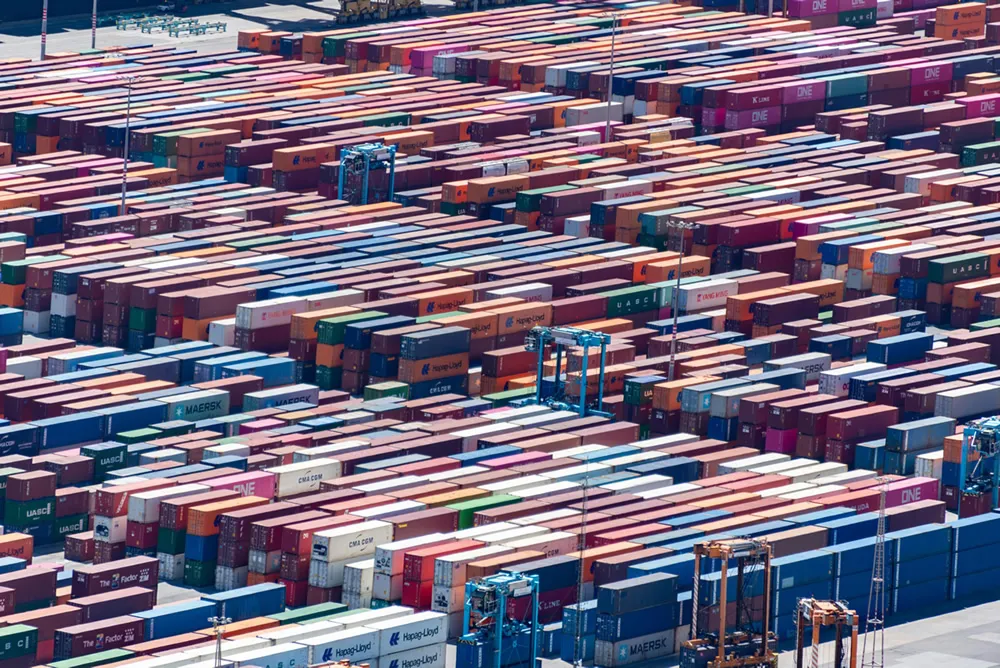
Differences in policies and regulations cannot be ignored either. Foreign trade policies and customs regulations in different regions may vary, requiring both agency companies and manufacturing enterprises to have a thorough understanding of relevant policies and regulations to ensure that export business is conducted in compliance. Otherwise, any violation could lead to severe consequences such as fines and cargo detention.
How to Address Challenges in Cross-border Agency Export
To overcome these challenges, both parties must strengthen communication. Establish regular communication mechanisms and utilize modern communication tools such as video conferencing and instant messaging software to ensure timely and accurate information transmission. At the same time, both parties should arrange as many on-site visits and face-to-face exchanges as possible to enhance mutual understanding.
In terms of trust building, both parties can sign detailed contracts to clarify their respective rights and obligations and protect the interests of both sides. In addition, during the initial stages of cooperation, they can choose some small orders for trial runs to gradually build a relationship of trust.
Regarding policy and regulatory differences, enterprises and agency companies should strengthen their learning, pay attention to policy dynamics, and can also hire professional legal advisors to ensure that export business is legal and compliant.
Cross-border agency export provides a convenient channel for enterprises to expand into international markets. Although it faces challenges in communication, trust, and policies and regulations, as long as enterprises and agency companies can actively respond and fully leverage their respective advantages, they will surely achieve success on the global trade stage. It is hoped that more enterprises will seize this opportunity, bravely meet challenges, and achieve their international development. You are also welcome to share your experiences and stories in cross-border agency export in the comment section.

Recent Comments (0) 0
Leave a Reply