In today's increasingly frequent global trade interactions, the import cargo declaration process is like a labyrinth, sparking both curiosity and headaches for many practitioners. Today, let us unveil the mysterious veil of the import cargo declaration process and see what customs clearance codes are hidden behind it.
Preparation Before Declaration
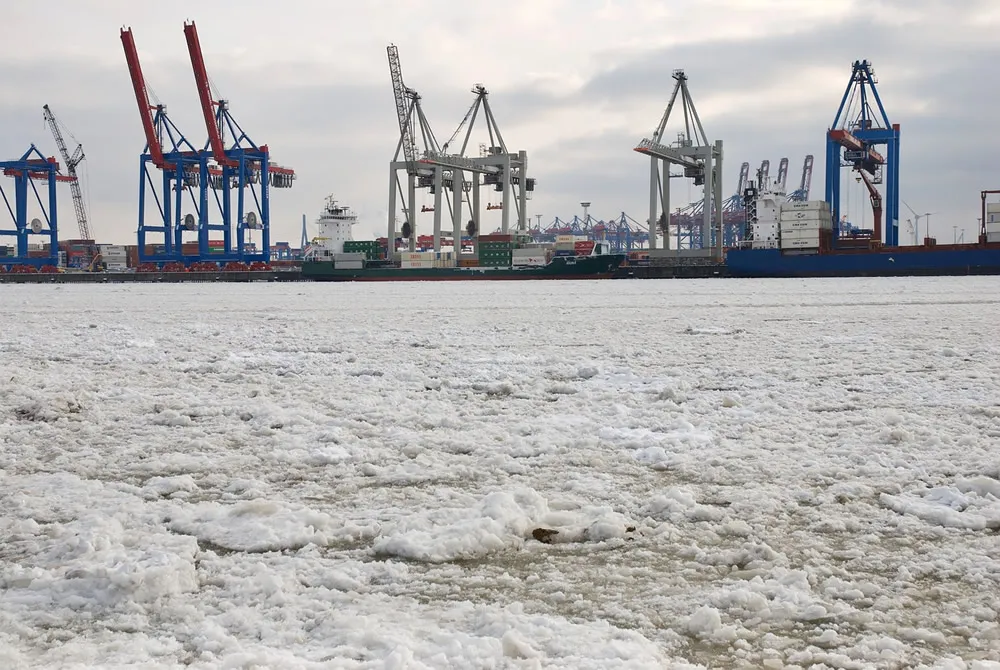
For import cargo declaration, preparatory work is crucial. Firstly, importers must prepare their documents. Commercial invoices, which meticulously record cargo information, value, and more, are indispensable documents for customs declaration. The packing list should not be underestimated; it clearly indicates the cargo packaging status, facilitating customs inspection. And the bill of lading, as proof of cargo ownership, its importance is self-evident.
Concurrently, importers need to accurately classify the cargo. This is no simple task; different categories of goods have different tariff rates and regulatory conditions. For instance, classification standards for electronic products and textiles are vastly different, and any misclassification could lead to hefty fines or customs clearance delays.
Declaration Stage
With all preparations complete, we arrive at the declaration stage. Importers or their agents must truthfully declare cargo information to customs through the electronic port system. Declaration content includes the cargo's name, specifications, quantity, value, country of origin, and more, all of which must be accurate and error-free.
Take Mr. Ling as an example. He once imported a batch of clothing and mistakenly declared one less carton for the quantity. When customs inspected, they found the quantity discrepancy, not only requiring Mr. Ling to supplement the declaration but also imposing a penalty, causing the goods to be detained at the port for many days and incurring significant extra costs.
Inspection Stage
After accepting the declaration, customs will decide whether to inspect the cargo based on its circumstances. There are various inspection methods, such as manual inspection, where customs officers directly examine and verify the cargo; and machine inspection, which utilizes equipment like X-ray machines to scan the internal condition of the cargo.

Mr. Ling imported a batch of furniture, and customs conducted a manual inspection. The customs officers meticulously verified whether the furniture's dimensions, materials, and other details matched the declaration, while also checking for any quality issues or infringement. If problems are found during inspection, the goods may be temporarily seized, and the importer will need to rectify the situation or provide relevant supporting documents as required.
Taxation Stage
If the cargo passes the inspection smoothly, it enters the taxation stage. Customs calculates the payable tariffs, value-added tax, and other taxes and fees based on the tariff rate determined by the cargo classification and the declared value. Importers should pay the taxes and fees promptly; otherwise, the cargo cannot be released.
It is important to remind everyone here that different goods have different tax rates, and tax policies may be dynamically adjusted. Importers should constantly monitor policy changes and accurately calculate taxes and fees to avoid affecting customs clearance efficiency due to tax issues.
Release and Pick-up
Once the importer has paid all taxes and fees and the cargo has been cleared by customs without any issues, customs will release it. At this point, the importer can present the relevant documents to the port or warehouse to pick up the cargo, completing the entire import cargo declaration process.
Although the import cargo declaration process is complex, as long as each step is strictly followed according to regulations and preparations are thorough, customs clearance can be smooth. We hope that all importers can master the declaration process proficiently in their trade interactions, allowing for efficient and seamless customs clearance of their goods.

Recent Comments (0) 0
Leave a Reply