In today's increasingly prosperous international trade, import business has become more and more common. However, for many merchants or individuals engaged in import trade, import declaration and customs clearance fees are like a fog, making it difficult to grasp. Today, let us unveil this mysterious veil together and gain a deep understanding of the relevant knowledge of import declaration and customs clearance fees.
Composition of Import Declaration and Customs Clearance Fees
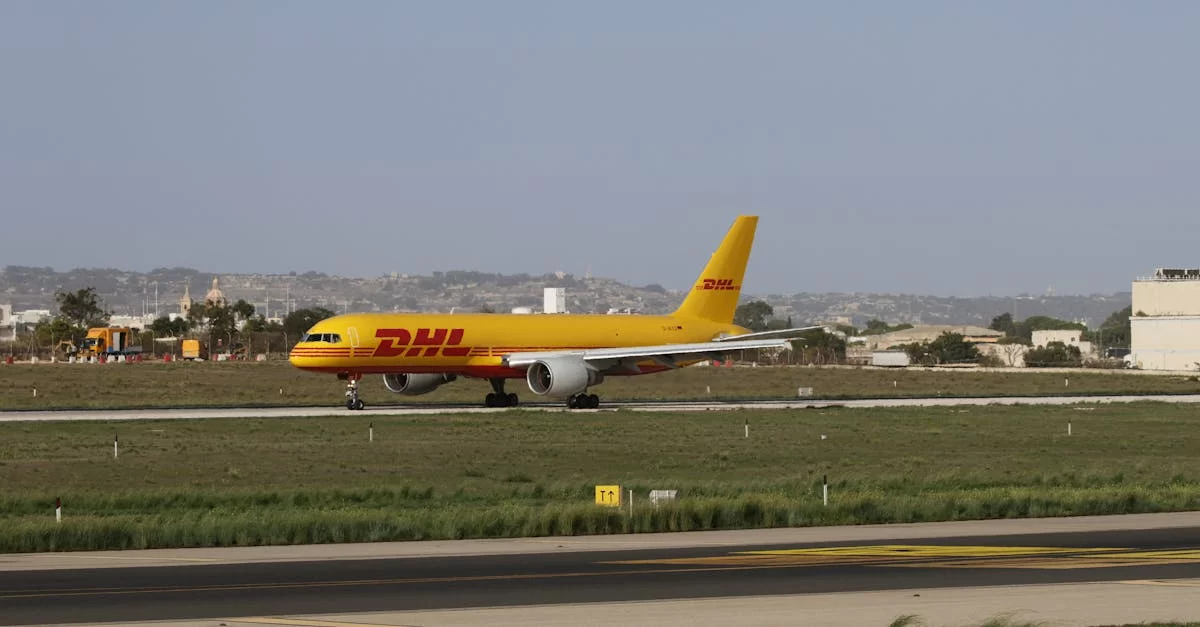
Import declaration and customs clearance fees are not a single fee but are composed of multiple parts. The first is the declaration fee, which is the service fee charged by the customs broker or freight forwarder for handling customs declaration procedures. It is usually charged based on the number of declaration forms. The charging standards may vary depending on the port and the customs broker. For example, at some busy large ports, declaration fees are relatively higher.
Next are customs duties and value-added tax (VAT). Customs duties are calculated based on the classification of goods and the tax rates stipulated by customs. Different commodities have different customs duty rates. VAT is generally calculated based on the dutiable value of the goods plus the customs duties. These two types of taxes and fees are important components of import customs clearance fees and directly affect import costs.
In addition, there are inspection fees. When customs inspects the goods, if related fees are incurred, they need to be borne by the importer. Inspection fees may include manual inspection fees, equipment inspection fees, etc. This part of the fee is not incurred every time and depends on the probability of customs inspection.
Factors Affecting Import Declaration and Customs Clearance Fees
The type of goods is one of the key factors affecting the fees. Some special commodities, such as food and cosmetics, require additional inspection and quarantine procedures during customs declaration and clearance due to strict regulatory requirements, which will undoubtedly increase the costs. For example, food may require label review and microbial testing, all of which will bring more cost expenditures.
The value of the goods also affects the fees. The higher the value, the higher the corresponding customs duties and VAT. At the same time, high-value goods may have stricter requirements during transportation and storage, which will also indirectly lead to increased costs.
Different import ports will also result in different fees. Some ports have advanced facilities, standardized operations, and high efficiency, but their corresponding charging standards may also be higher. Some relatively small ports, although the fees may be lower, may have less convenient operating procedures and longer customs clearance times.
How to Reasonably Reduce Import Declaration and Customs Clearance Fees
Pre-shipment cargo classification is crucial. Accurate classification ensures the application of the correct tax rates and avoids overpayment of customs duties or VAT due to misclassification. Enterprises can seek the assistance of professional customs brokers or classification consultants to ensure the accuracy of classification.
Choosing the right import port can also save costs. After comprehensively considering factors such as cargo characteristics, transportation costs, and port charging standards, select a port with high cost-effectiveness. For example, some inland ports may have preferential policies for customs clearance of certain specific commodities, and rational selection can reduce costs.
Cooperating with reliable customs brokers or freight forwarders is also very important. Their rich experience can help enterprises optimize customs declaration and clearance processes and avoid unnecessary expenses. Professional institutions like Zhongmaoda, in handling various import businesses, can reasonably reduce costs for clients by virtue of their professional capabilities and resource advantages.
Although import declaration and customs clearance fees are complex, as long as we deeply understand their composition and influencing factors, and take reasonable measures, we can effectively control costs within the premise of compliance and make import trade smoother. We hope that in your import business, you will have a clear understanding of customs declaration and clearance fees and make wise decisions.

Recent Comments (0) 0
Leave a Reply