Late at night at the port, a 10,000-ton tanker is slowly docking. Mr. Cui stares at the flickering data on the surveillance screen, a slight smile on his lips – this batch of high-quality diesel from the Middle East will bring him nearly seven figures in profit. In an era drowned out by the topic of new energy, the "old business" of diesel import agency is quietly staging new wealth stories.
Why is Diesel Import Still a Good Business?
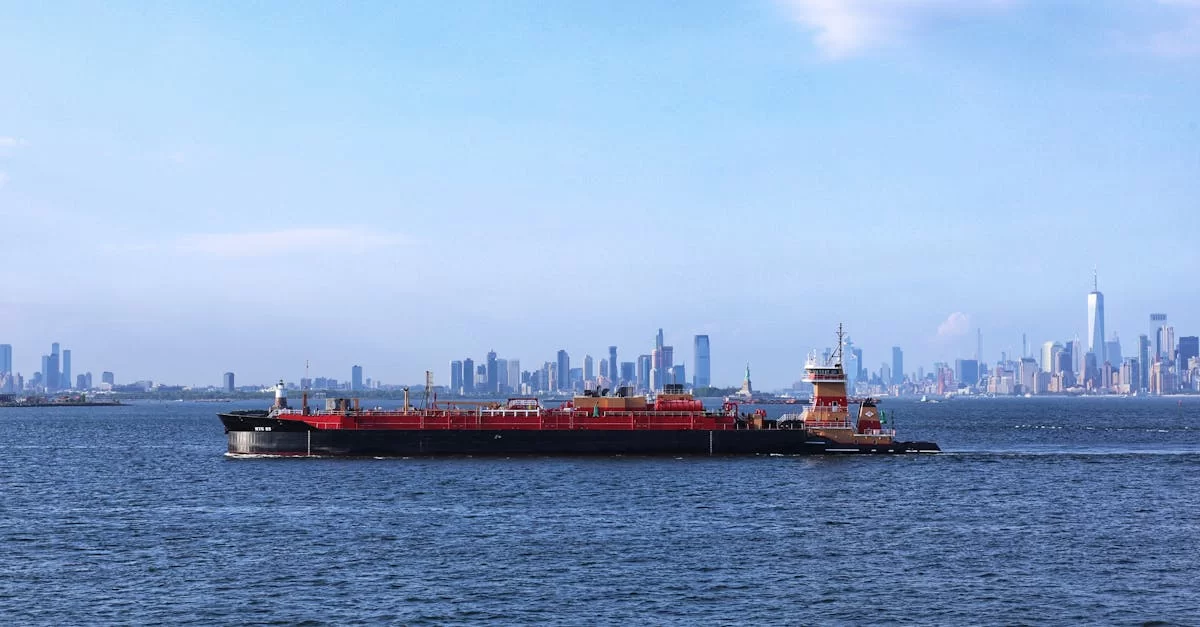
While electric vehicles are the darlings of the media, global diesel demand is actually growing by 2.3% annually. From mining machinery to ocean-going freighters, these "steel giants" still rely on diesel power. Mr. Cui logistics company saw its diesel procurement costs rise by 40% last year, prompting her to seriously consider direct import.
- Price Advantage: Diesel in bonded areas is 8-12% lower than domestic wholesale prices.
- Quality Difference: The sulfur content of Euro-standard diesel is only 1/10 of the national standard.
- Supply Stability: Avoids supply disruptions caused by domestic refinery maintenance.
Three Hidden Thresholds for Imported Diesel
Behind seemingly simple transactions lie professional barriers. During a customs clearance, Mr. Wang, due to his lack of understanding of HS code rules, had 200 tons of diesel detained by customs for 17 days, incurring losses of over 50,000 yuan daily.
- Qualification Maze: Requires simultaneous hazardous chemical business/storage/transportation qualifications.
- Capital Pressure: Single ship deposits typically require over 30 million yuan in liquid capital.
- Compliance Risks: Involves complex linkages of consumption tax, value-added tax, and customs duties.
Zhongmaoda's "Three-Stage Risk Control" Solution
This is where the value of professional agencies lies. By establishing a pre-inspection cargo rights locking mechanism, clients can obtain cargo rights after paying a 30% deposit, significantly reducing capital occupation. Its proprietary data chain of "ship schedule - warehousing - terminal" can control port detention time within 72 hours.
The Next Five Years: Changes and Constants in Diesel Agency
With the implementation of the IMO2020 new regulations, the proportion of low-sulfur diesel imports has surged from 35% to 82%. However, regardless of how standards change, agency service providers who master channel resources and compliance capabilities will always be the core players in this track.
Next time you see a diesel price board at the gas station, consider this: this drop of energy that has traveled half the globe might hold your next business opportunity. Welcome to share your insights on energy trading in the comment section, or send a private message to get the latest international market analysis report.

Recent Comments (0) 0
Leave a Reply