In the arena of international trade, export freight forwarders play a pivotal role, and non-tax-paid export freight forwarding is an even more mysterious aspect of it. Imagine a business aiming to successfully sell its products overseas; how many complex processes are involved, and how does non-tax-paid export freight forwarding function within this framework? Let's collectively unveil its mysteries.
Concept of Non-Tax-Paid Export Freight Forwarding
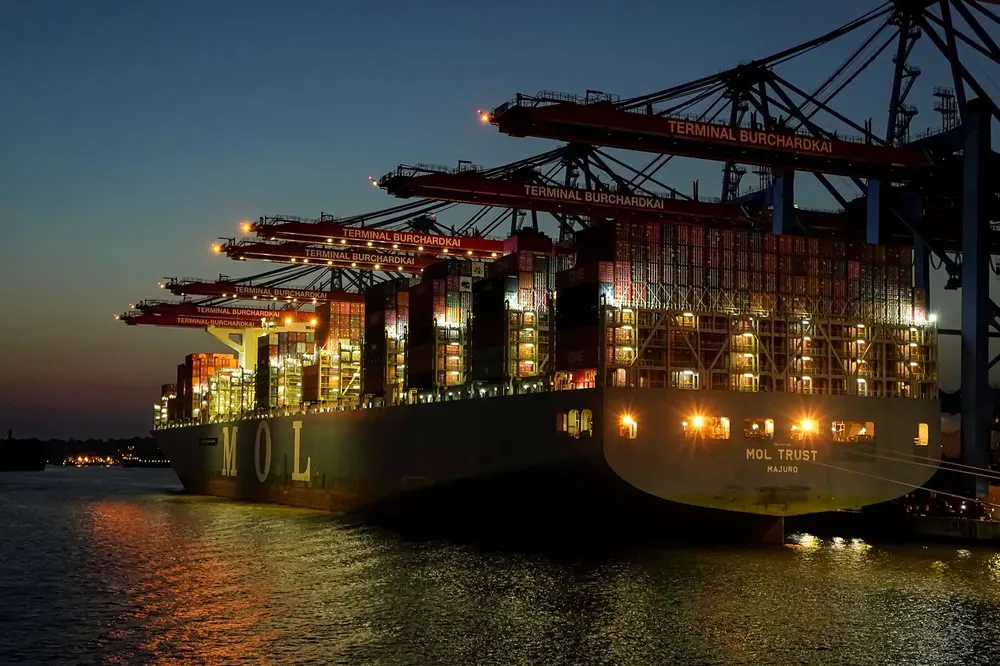
Non-tax-paid export freight forwarding, simply put, means that during the process of exporting goods, with the relevant taxes and fees not yet fully settled, a professional freight forwarding agency handles the transportation and related matters. For instance, Mr. Cao company, which primarily exports electronic products, when opting for non-tax-paid export freight forwarding services, needs to clearly understand the agency's procedures and methods for handling taxes and fees. This includes various taxes such as VAT and customs duties, and tax policies vary significantly across different products and destination countries.
Advantages of Non-Tax-Paid Export Freight Forwarding
Firstly, there are significant advantages in terms of capital turnover. For businesses facing tight capital, choosing non-tax-paid export freight forwarding can, to a certain extent, alleviate financial pressure. Companies do not need to settle all taxes and fees upon the export of goods, thereby allowing them to allocate funds to other more urgent production and operational stages. For example, Mr. Cao apparel company experiences a surge in orders during peak season, with most of its capital allocated to raw material procurement and production. Non-tax-paid export freight forwarding enables her to successfully ship goods first and handle taxes later, greatly reducing the burden of capital turnover.
Secondly, there is greater flexibility. Market conditions are constantly changing, and with a non-tax-paid arrangement, businesses can more flexibly adjust their export strategies based on factors such as market dynamics and exchange rate fluctuations. Should tax policies change later, companies can respond promptly and make more favorable decisions.
Risks and Challenges of Non-Tax-Paid Export Freight Forwarding
Regarding risks, the foremost is tax policy risk. Tax policies in various countries can be adjusted at any time. If the freight forwarding agency fails to keep up with the latest policies, businesses may very likely face retrospective tax payments or even fines. For instance, if a certain country suddenly raises import tariffs on a particular product, and the agency was not aware in advance, this could result in additional costs for the client company.
Furthermore, credit risk cannot be overlooked. If a non-tax-paid export freight forwarding agency has a poor reputation and delays or operates illegally when handling tax-related matters, it will cause severe negative impacts on the business, damaging the company's commercial credibility.
How to Choose a Suitable Non-Tax-Paid Export Freight Forwarder
- Professional qualifications are key. Businesses should choose agencies with relevant industry qualifications and extensive experience in non-tax-paid export freight forwarding. Verify their capability to handle various tax-related issues and review their successful cases.
- Reputation and credibility are also extremely important. Through industry evaluations, customer feedback, and other channels, assess the agency's credibility. A good reputation signifies more reliable services.
- A balance between service content and price is essential. It is crucial to ensure that the agency can provide comprehensive and high-quality services, including transportation arrangements, customs declaration and inspection, tax and fee handling, while also offering reasonable pricing to avoid excessively high or low price traps.
Non-tax-paid export freight forwarding is a double-edged sword; it can offer businesses the convenience of capital turnover and strategic adjustments, but it also comes with certain risks. When making a choice, businesses must carefully evaluate and weigh the pros and cons. Only by finding a suitable non-tax-paid export freight forwarder can one ride the waves of international trade and progress steadily. We hope all business owners will actively consider their own needs and make informed decisions, and we also welcome everyone to share their experiences and insights in the comments section.

Recent Comments (0) 0
Leave a Reply