As a cargo ship slowly departs from Shanghai Yangshan Port, it carries not only containers but also the globalization dreams of enterprises. With cross-border e-commerce experiencing an annual growth rate exceeding 20%, foreign import and export trading companies stand at a crossroads of historical opportunity. Mr. Mei has just received a €5 million order from Germany, while Mr. Mei is customizing exclusive supply chain solutions for Southeast Asian clients—the stories of this industry are being rewritten daily.
The Golden Track and Reefs of Import and Export Trade
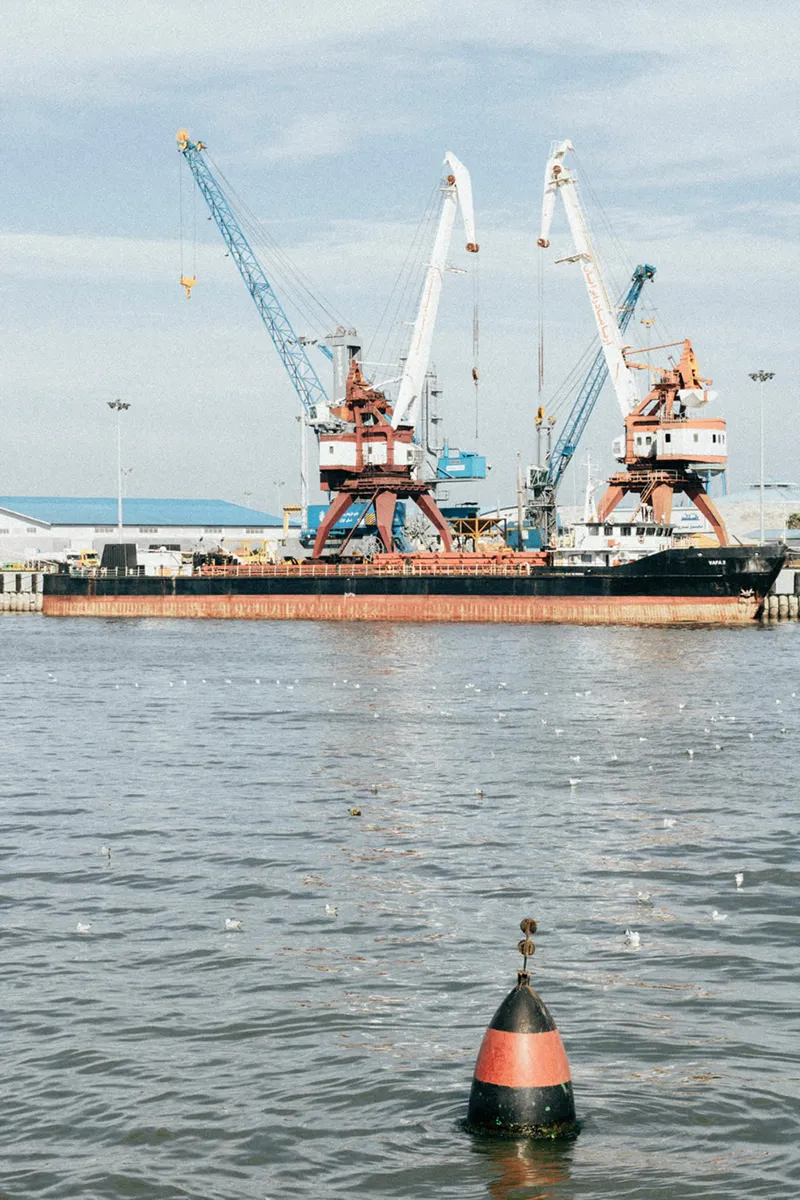
According to the latest data from the General Administration of Customs, China's total value of goods imports and exports reached 30.8 trillion yuan in the first three quarters of 2023. In this blue ocean, successful enterprises often master three core capabilities:
- Compliant Operations: From origin certification to tariff planning, the Zhongmaoda case shows that a professional customs affairs team can reduce operational costs by 15%.
- Digital Empowerment: After using a blockchain traceability system, a certain agricultural product exporter's inspection efficiency increased by 40%.
- Flexible Supply Chain: To cope with international geopolitical fluctuations, establishing more than 3 backup production bases has become an industry standard.
Cracking the Da Vinci Code of Capital Turnover
Ms. Wang, who is engaged in import and export trade, revealed: "Letters of credit are like a double-edged sword. We compressed the payment collection cycle from 90 days to 7 days through forfaiting." Current mainstream financing tools include:
- Export Credit Insurance (covering 80% of political risks)
- Cross-border RMB settlement (avoiding exchange rate fluctuations)
- Bonded warehouse receipt pledge (invigorating inventory assets)
It is worth noting that after the RCEP agreement takes effect, 90% of goods trade within the region will gradually achieve zero tariffs, opening new windows for small and medium-sized traders.
The Future is Here: Transformation and Upgrading of Trading Companies
When AI customer service can handle 60% of cross-border inquiries, and digital twin technology reconstructs logistics monitoring, traditional trade models are being disrupted. Observations show that leading enterprises are already making arrangements:
- Establishing overseas warehouse live-streaming bases (TikTok sales conversion rates exceed traditional B2B)
- Developing ESG-certified products (EU carbon tariffs force green transformation)
- Building supplier alliances (sharing customs declaration and logistics resources)
Standing at the beginning of a new decade, every trade decision could be a turning point. Is your company ready to write its own globalization story amidst customs codes and exchange rate figures? Welcome to share your cross-border practical experience in the comment section.

Recent Comments (0) 0
Leave a Reply