Amidst the wave of economic globalization, more and more enterprises aspire to tap into international markets and engage in import and export business. However, to smoothly conduct import and export trade, applying for import and export rights is an indispensable step. Today, let us delve into the application process for corporate import and export rights, preparing enterprises to set sail for overseas markets.
I. Preparations Before Application
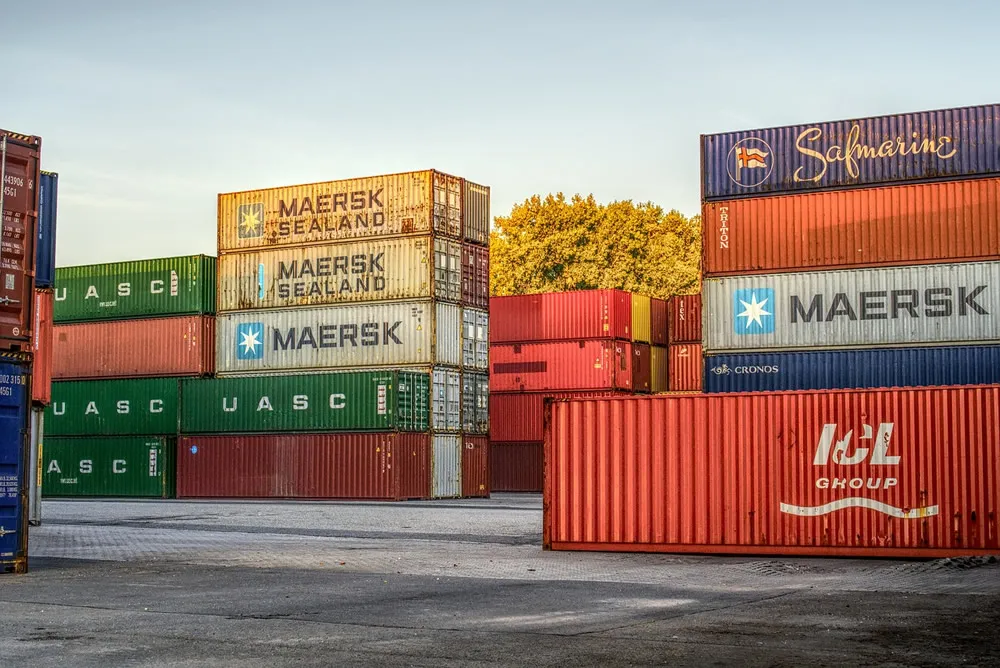
Firstly, enterprises must ensure they are legally registered and have obtained a business license. This is the foundational requirement for applying for import and export rights; only legally registered and operating enterprises are eligible to apply. Additionally, enterprises must possess a genuine office space, as some departments may inspect the company's operational premises later. It is also advisable for enterprises to prepare relevant corporate information in advance, such as legal representative's identification, shareholder information, business scope, etc., to facilitate prompt and accurate provision during the application process.
II. Commerce Bureau Registration
Enterprises need to log in to the official website of their local Commerce Bureau and access the Foreign Trade Operator Registration System. Here, follow the system prompts to fill in relevant enterprise information, including basic company details, business scope, contact information, and more. After completion, upload scanned copies of the legal representative's ID card, business license, and other required documents, and submit the application. Generally, the Commerce Bureau will review the application within a few working days. If approved, enterprises can print the Foreign Trade Operator Registration Form from the system. Taking Mr. Qiu company as an example, they were very meticulous in filling out the information and prepared all necessary materials in advance, so the registration process was very smooth, and they obtained the registration form quickly.
III. Customs Registration
After completing the Commerce Bureau registration, enterprises must proceed to the local Customs office for registration procedures. First, register on the "China International Trade Single Window" platform. Upon successful registration, access the Enterprise Qualification Handling module and fill in customs registration-related information, including customs declaration information and business information. Concurrently, prepare the Foreign Trade Operator Registration Form, original and copy of the business license, legal representative's identification, and other materials, and submit them in person at the Customs office. After the Customs staff verify the information, they will issue the Registration Certificate of Customs Declaration Unit of the People's Republic of China. Mr. Qiu company experienced a rejection during customs registration due to errors in some information fields, which were rectified before successful completion, highlighting the importance of diligence when filling in information.
IV. Electronic Port Network Access
Enterprises also need to complete the Electronic Port network access procedures. Applications can be made at the local Electronic Port Data Center or online. Required documents include a copy of the business license, the Foreign Trade Operator Registration Form, the Registration Certificate of Customs Declaration Unit of the People's Republic of China, and other materials. Upon successful application, enterprises will receive equipment such as an Electronic Port IC card. These devices serve as the enterprise's "keys" to the Electronic Port, enabling a series of import and export operations on the Electronic Port platform, including customs declaration, inspection declaration, and verification order application.
V. State Administration of Foreign Exchange Registration
Finally, enterprises must register with the State Administration of Foreign Exchange to legally handle foreign currency receipts and payments. Enterprises need to log in to the application service platform of the State Administration of Foreign Exchange and fill in relevant enterprise information for registration. They also need to bring materials such as a copy of the business license and the Foreign Trade Operator Registration Form to submit in person at the State Administration of Foreign Exchange. After registration is complete, enterprises will be qualified to legally receive and pay foreign exchange, enabling smooth financial transactions in import and export trade.
Although the application process for corporate import and export rights is somewhat complex, as long as it is followed step-by-step and adequate preparations are made, the application can be successfully completed. We hope that all enterprise owners will take proactive steps to open the door to international markets for their businesses and make great strides on the global trade stage.

Recent Comments (0) 0
Leave a Reply