On the grand stage of international trade, re-export trade is like a mysterious dancer, rarely in the spotlight but influencing the melody of the global economy with its unique steps. Are you curious about what re-export trade actually refers to? Today, let us step into the world of re-export trade together and explore its mysteries.
Definition of Re-export Trade
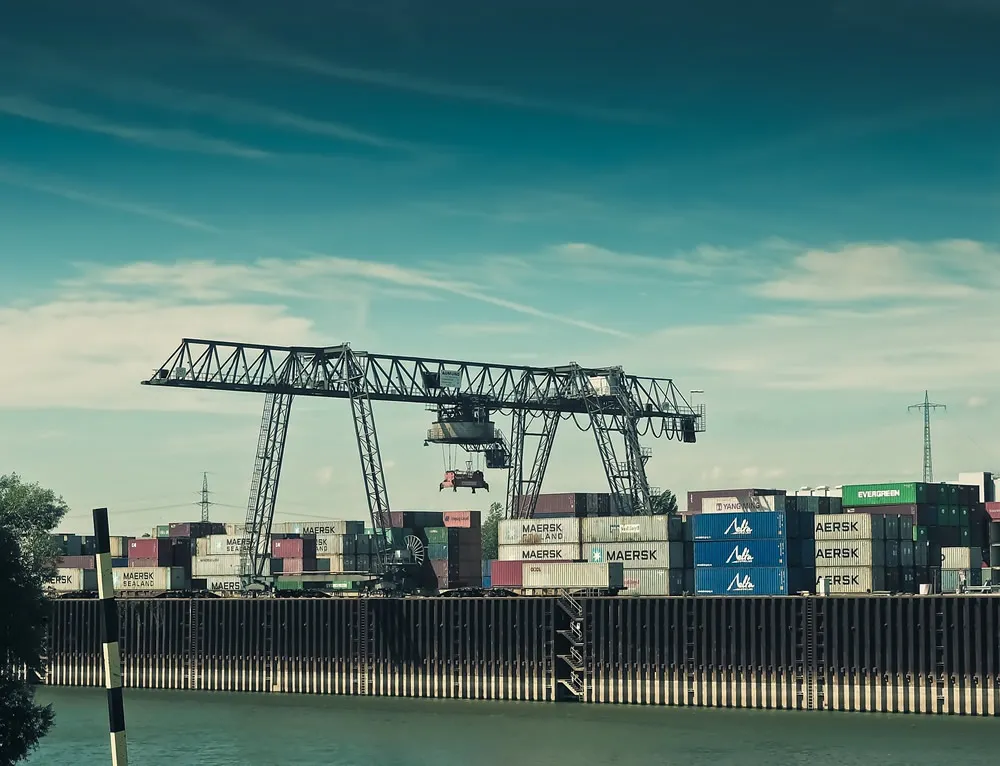
Re-export trade, also known as entrepôt trade, refers to the business of importing and exporting goods in international trade that is not conducted directly between the producing country and the consuming country, but through a third country. This third country is the key hub for re-export trade. For example, Country A, where Mr. Kang is located, produces a certain specialty agricultural product, and Country C, where Mr. Kang is located, has a strong demand for this product. However, due to various reasons, there is no direct trade channel between Country A and Country C. In this case, Country B can serve as the transit country for re-export trade. Country A first exports the agricultural product to Country B, and then Country B exports it to Country C, thus completing a re-export trade transaction.
Causes for the Formation of Re-export Trade
- Trade Barrier Factors: When there are high tariffs, quotas, and other trade barriers between the producing country and the consuming country, re-export trade may emerge. For instance, if Country C imposes high tariffs on agricultural products from Country A, Country A can smoothly enter the market of Country C through re-export trade, utilizing the relatively lower trade barriers of Country B.
- Geographical Advantage: Some countries or regions, relying on their superior geographical locations, have become natural centers for re-export trade. Singapore, for example, is located at the Strait of Malacca, a crucial hub connecting the Indian Ocean and the Pacific Ocean, possessing excellent conditions for developing re-export trade.
- Need for Resource Integration: Different countries have different resources and industrial advantages, and re-export trade can integrate resources from various parties. Country B may possess comprehensive supporting services such as logistics and finance, enabling optimal resource allocation in re-export trade.
Operating Procedures of Re-export Trade
The process begins with trade negotiations, where the exporter in the producing country and the trader in the re-exporting country reach an agreement on the price, quantity, quality, and other aspects of the goods. Then, the exporter transports the goods to the re-exporting country. Upon arrival in the re-exporting country, the goods may undergo processing such as storage, sorting, and packaging in the bonded area or warehouse of the re-exporting country to meet the requirements of the importer in the consuming country. Finally, the trader in the re-exporting country exports the goods to the consuming country and completes relevant customs clearance, settlement, and other procedures.
Risks and Challenges of Re-export Trade
Although re-export trade brings business opportunities, it also comes with risks. Among them, policy risk cannot be ignored. Once the trade policies of the re-exporting country change, such as raising tariffs or tightening trade controls, it may affect the smooth conduct of re-export trade. In addition, logistics risks are also prominent, as goods may face damage or delays during transportation and storage. Moreover, re-export trade involves multiple countries and regions, and the differences in laws, regulations, and business practices of different countries can easily lead to legal disputes.
Seizing Opportunities in Re-export Trade
For enterprises, understanding the rules and characteristics of re-export trade can open up new market spaces. In the current globalized economic environment, rational utilization of re-export trade can effectively circumvent trade barriers and achieve optimal resource allocation. At the same time, strengthening cooperation with enterprises in re-exporting countries can enhance their competitiveness in re-export trade. We encourage enterprises to actively explore the field of re-export trade, find new growth points in this unique international trade model, and contribute to their own development and the prosperity of the global economy. Let us work together to find the right direction and ride the waves of re-export trade.

Recent Comments (0) 0
Leave a Reply