In the arena of international trade, consignment export and agency export shine like two brilliant pearls, illuminating the path for enterprises to expand into overseas markets. However, many businesses are not entirely clear about the differences and application scenarios of these two export models in practice. Today, let us delve into the mysteries of consignment export and agency export.
Consignment Export: An In-depth Analysis
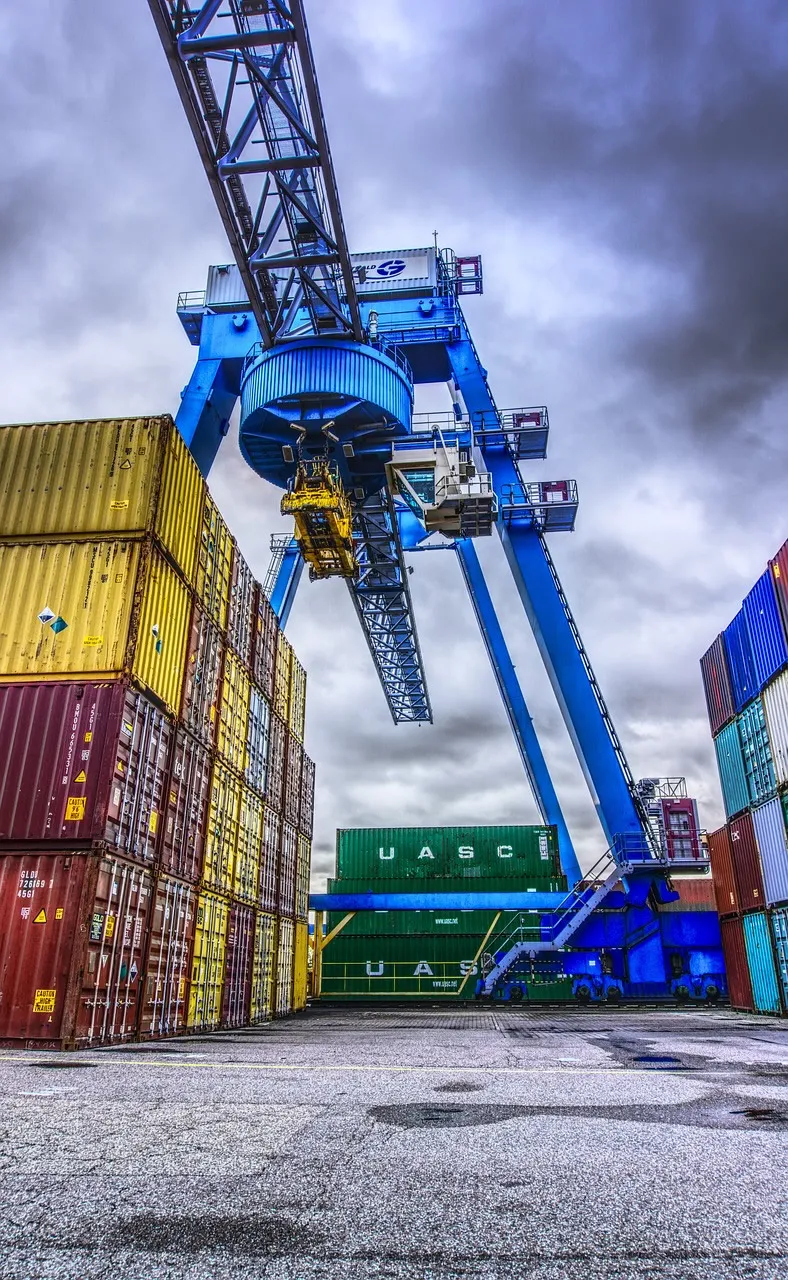
Consignment export, simply put, is a trade method where a manufacturing enterprise entrusts another enterprise to handle its product export business. The consignor is typically the product manufacturing enterprise, while the consignee can be another enterprise with import and export operation rights. For example, Mr. Pan factory produced a batch of high-quality clothing, but lacking export channels and relevant experience, he entrusted Zhongmao Da to assist with the export matters.
Under the consignment export model, the consignor remains the owner of the goods and bears primary responsibility for aspects such as product quality and price. The consignee is mainly responsible for handling the relevant export procedures for the goods, such as customs declaration and inspection. The advantage of this model is that the consignor can leverage the consignee's professional resources and experience to quickly enter international markets and maintain good control over key product aspects. However, the consignor also needs to maintain close communication with the consignee to ensure the smooth progress of the export process.
Agency Export: A Comprehensive Interpretation
Agency export refers to a method where an agent accepts an export enterprise's entrustment to handle export business on its behalf. Unlike consignment export, the agent typically signs contracts with foreign clients in its own name and assumes certain risks. Taking Mr. Pan foreign trade company as an example, it acts as an agent for multiple manufacturing enterprises to export products, conducting business in the international market under its own name.
Under the agency export model, the agent needs to possess strong market development capabilities and client resources. The agent will charge a certain agency fee according to the agreement with the principal. For the principal, choosing agency export allows them to focus more energy on product manufacturing, leveraging the agent's market advantages to increase product export volume. However, at the same time, the principal also needs to rigorously evaluate the agent's reputation and capabilities, as the agent's actions can directly affect the success or failure of the export business.
Differences and Choices Between the Two
Regarding responsibility, the consignor bears greater responsibility in consignment export, while the agent assumes relatively more risks in agency export. In terms of operational procedures, the consignee in consignment export primarily assists with formalities, whereas the agent in agency export has a deeper level of involvement, including crucial stages such as contract signing.
When making a choice, if an enterprise has extremely high requirements for product control and wishes to leverage external resources merely to complete export formalities, consignment export might be a better option. If the enterprise aims to rapidly expand its export scale by utilizing the market advantages of a professional agent, and is willing to appropriately relinquish some control, agency export might be more suitable.
In summary, both consignment export and agency export have their unique strengths. Enterprises should carefully make their choice based on their actual circumstances, considering factors such as their own capabilities, market objectives, and risk tolerance, to truly ride the waves and sail far in the tide of international trade. We hope all enterprises can shine in the international market through the appropriate export model, and we welcome everyone to discuss the application of these two export models.

Recent Comments (0) 0
Leave a Reply