"This batch of equipment needs to be exported urgently, but the customs declaration process is too complicated!" Mr. Wei stared at the mechanical equipment piled up in the warehouse, his brow furrowed. Business owners like Mr. Wei are not uncommon—equipment export involves multiple stages such as logistics, customs declaration, and taxation, and a slight oversight can lead to delivery delays or even fines. As an important shipping hub in Northeast Asia, Dalian, how do its equipment export agency services help enterprises resolve these challenges? This article will provide an in-depth analysis for you.
Why Choose a Dalian Equipment Export Agency?

Dalian Port boasts a shipping network covering over 300 ports worldwide, with container throughput exceeding 5 million TEUs in 2023. However, equipment export is far more complex than just "loading goods onto a ship":
- Special Equipment Transportation: Precision instruments require temperature-controlled packaging, and large machinery needs to be disassembled for containerization.
- Compliance Risks: Different countries have vastly different certification requirements for equipment, such as CE and FDA.
- Hidden Costs: Demurrage, anti-dumping duties, etc., can erode profits.
Professional agencies can provide one-stop solutions from factory to destination port. When Mr. Wei CNC machine tool was exported to Germany, the agency not only completed the export tax refund declaration but also affixed EU energy efficiency labels to her equipment, saving 15% in logistics costs.
Three Core Services of Equipment Export Agencies
High-quality agency services typically include the following key modules:
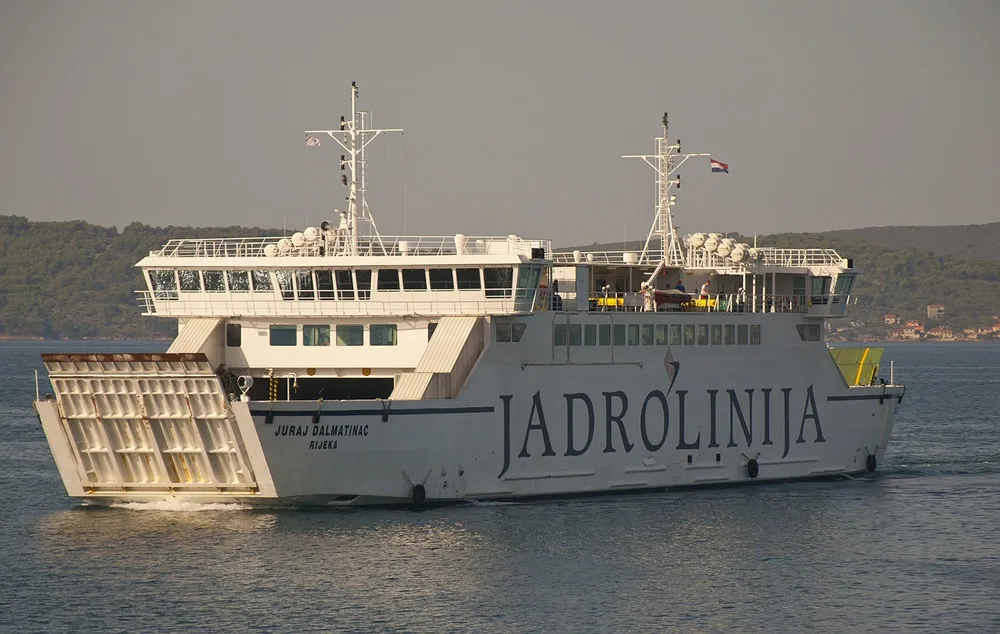
- Customized Logistics Solutions: Selecting RO-RO vessels, flat rack containers, or bulk carriers based on equipment characteristics.
- Compliance Pre-review: Identifying technical barriers in the destination country in advance to avoid customs detention.
- Tax Optimization: Utilizing free trade agreements like RCEP to reduce tariff costs.
When a biopharmaceutical company exported a freeze-dryer to Southeast Asia through an agent, the agent not only assisted in completing the ASEAN FORM E Certificate of Origin but also compressed customs clearance time to 6 hours through an "advance declaration" model.
Beware of Four Common Pitfalls in Equipment Export
Even experienced companies can fall into traps:
- Underestimating rust-proof packaging costs (sea salt spray corrosion can be 10 times worse than in a terrestrial environment).
- Ignoring equipment power standard differences (e.g., US 110V incompatibility with China's 220V).
- Failing to purchase full-coverage insurance (risk of general average apportionment in sea freight).
- Miscalculating volumetric weight (freight charges for bulky goods based on volume can double shipping costs).
A machine tool enterprise once incurred an additional expense of nearly $20,000 at Australian customs for failing to declare built-in lubricating oil, which was deemed hazardous material.
Is Your Equipment Ready to "Go Global"?
In this era of global industrial chain restructuring, equipment export presents both opportunities and challenges. Rather than fighting alone amidst complex international trade rules, it's better to leverage the "navigation system" of a professional agency. Zhongmaoda recommends that business owners, when choosing a service provider, focus on their past operational cases with similar equipment and their overseas cooperation network.
Have you recently encountered any challenges with equipment export? Feel free to share your experiences in the comments section; perhaps the next success story will come from your insights!

Recent Comments (0) 0
Leave a Reply