In today's globalized world, it's no longer a novelty for companies to introduce advanced foreign equipment. However, the process of customs declaration for importing equipment is like a mysterious hurdle that causes headaches for many. Don't worry, today we'll have a good chat about how to import and declare equipment, lifting the veil on this mystery.
I. Preparatory Work Before Import Customs Declaration
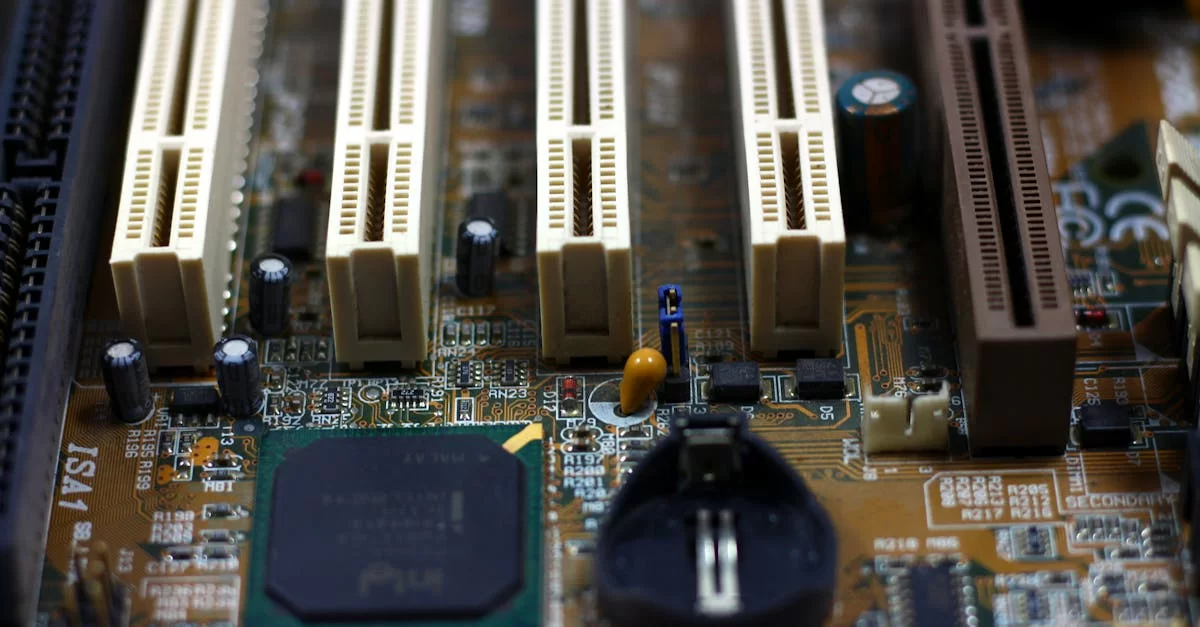
Determine Equipment Information: First, you need to understand detailed information about the imported equipment, such as its name, model, specifications, and functions. This information must not only be accurate but also completely consistent with the documents provided by the foreign supplier, as it forms the basis for a smooth subsequent customs declaration process. Take Mr. Hu case as an example. The company he works for was importing a batch of production equipment. Early on, they almost had a problem during customs declaration because they hadn't clearly verified the model of a certain accessory. Fortunately, they discovered and corrected it in time.
Confirm HS Code: The HS code is like the equipment's "ID card," which determines the applicable tariff rates, regulatory conditions, and other important information for the equipment upon import. Therefore, accurate classification is crucial and cannot be taken lightly. This requires professional personnel to determine it based on the specific situation of the equipment and in conjunction with relevant customs regulations.
Obtain Necessary Certificates: Some equipment imports may require special certificates, such as import licenses. Companies must understand in advance whether the equipment falls under the scope requiring such certificates and apply for them according to the prescribed procedures. If you declare for customs without obtaining the necessary certificates, it can be troublesome, and the equipment may be detained by customs.
II. Equipment Import Customs Declaration Process
Declaration: The enterprise must truthfully declare the relevant information of the equipment to customs through a professional customs declaration system, including the equipment details mentioned earlier, the HS code, and various documents. The declared content must be accurate and complete, as it is the basis for customs review.
Document Review: Upon receiving the declaration information, customs will carefully review the submitted documents. If any issues are found in the declared content, such as incomplete information or discrepancies with the actual situation, customs will require the enterprise to supplement or modify the information. Mr. Hu once encountered such a situation. The declared value of the equipment by her company was incorrect. After some communication and supplementary documentation, they successfully passed the document review stage.
Inspection: If customs deems it necessary, they will inspect the imported equipment. This may be a random check or a targeted inspection based on certain risk factors. During the inspection, customs officers will verify whether the actual condition of the equipment matches the declared content. Enterprises must actively cooperate with customs inspection work to ensure its smooth progress.
Taxation: Based on the equipment's HS code and relevant regulations, customs will determine the tariffs, value-added tax, and other taxes and fees to be levied. Enterprises must pay the taxes and fees in a timely manner according to regulations; otherwise, the equipment will not be able to clear customs smoothly.
Release: Once all the above stages are successfully completed and the enterprise has paid the corresponding taxes and fees, customs will release the equipment, and it can then officially enter the country.
III. Precautions During the Customs Declaration Process
Make sure to prepare all customs declaration documents completely. The absence of any single document may lead to delays in the customs declaration process. Furthermore, ensure the authenticity and accuracy of the documents. Never entertain the idea of falsely declaring or concealing information with a (jiǎoxìng) mentality. The consequences of being discovered can be severe! Additionally, throughout the entire customs declaration process, maintain close communication with your customs broker or freight forwarder. They have rich experience and can provide timely guidance and assistance when problems arise. For example, in assisting numerous enterprises with equipment import customs declarations, Zhongmaoda, with its professional team and extensive experience, always helps companies successfully complete the customs declaration process.
In conclusion, although the process of equipment import customs declaration is relatively complex, as long as enterprises are well-prepared, strictly follow customs regulations and procedures, and actively seek professional help when encountering problems, they can ensure smooth customs clearance for their equipment and inject new vitality into the company's development. We hope everyone can have a smooth experience with equipment import customs declarations in the future! We also welcome everyone to share their related experiences in the comment section.

Recent Comments (0) 0
Leave a Reply