In today's globalized economic tide, international trade takes increasingly diverse forms, among which the field of re-export trade in Europe is gradually emerging, attracting the attention of many businesses. So, what exactly is re-export trade in Europe? What opportunities and challenges does it entail? Today, let us delve into a thorough discussion.
I. Analysis of the Concept of Re-export Trade in Europe
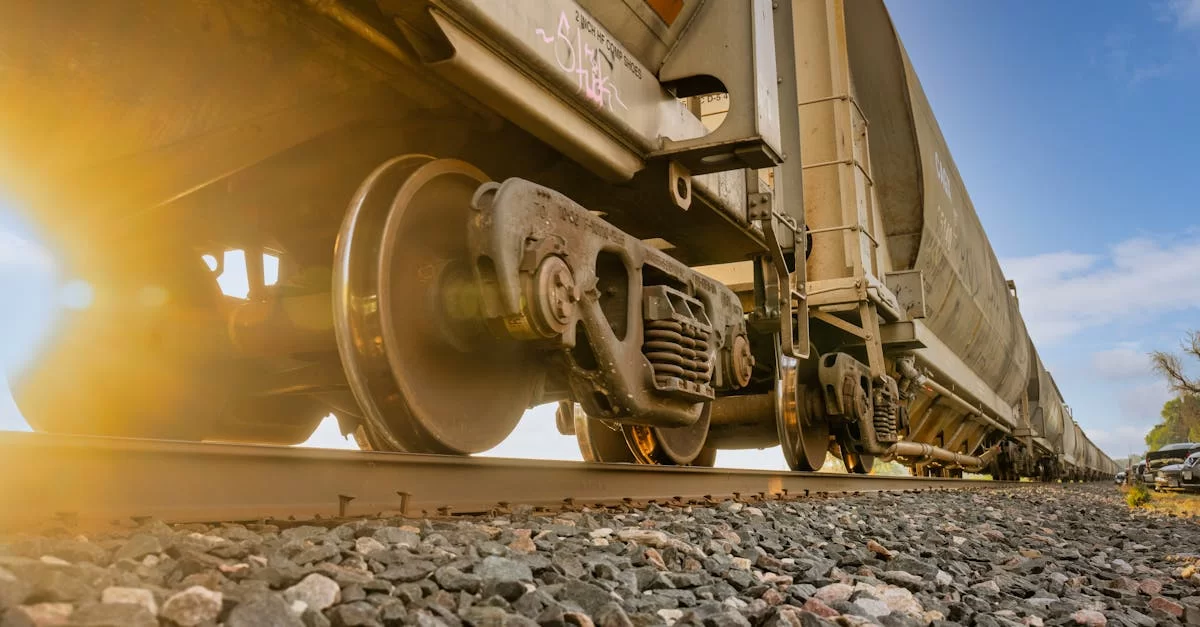
Re-export trade, simply put, refers to goods being shipped from the country of origin to an intermediate country or region, and then resold from this intermediate location to other target markets such as Europe. For re-export trade in Europe, it usually involves leveraging transit points with superior geographical locations and convenient trade policies, such as certain regions with free trade port advantages. The advantage of doing so lies in effectively circumventing trade barriers, high tariffs, and other issues that direct trade may encounter, thereby reducing trade costs and increasing profit margins.
II. The Advantages of Re-export Trade in Europe
- Firstly, there are tariff advantages. By rationally selecting transit points and utilizing local trade agreements, more favorable tariff treatment can be enjoyed. Compared to direct export to Europe, customs duties can be significantly saved.
- Secondly, market expansion is more flexible. Leveraging the trade networks and logistics systems of transit points, products can be better introduced into markets in different countries and regions of Europe, thereby expanding sales scope.
- Furthermore, risk diversification is evident. If trading directly with a single European market, enterprises may face significant risks if the market experiences economic fluctuations, policy changes, or other situations. Re-export trade in Europe can diversify risks through multiple transit points and different trade routes.
III. Challenges Faced by Re-export Trade in Europe
However, re-export trade in Europe is not all smooth sailing. Among these, the complexity of the logistics process is a major challenge. Goods need to be transshipped between different countries and regions, involving the coordination of various transportation methods and warehousing arrangements. Any problem in any link can lead to delays and increased costs. In addition, the control of trade compliance is also crucial. Different countries and regions have their own trade regulations and supervisory requirements. Any slight negligence can lead to violations of relevant regulations and penalties. Moreover, market competition is also increasingly fierce, with more and more enterprises entering the field of re-export trade in Europe. How to stand out in the competition is also a question that enterprises need to consider.
IV. The Role of Zhongmaoda in Re-export Trade in Europe
On the stage of re-export trade in Europe, Zhongmaoda plays an important role. With its rich trade experience, comprehensive logistics and distribution system, and professional trade team, it provides high-quality re-export trade services for many enterprises. Whether it is in the selection of transit points, the formulation of logistics plans, or guidance on trade compliance, Zhongmaoda can provide strong support, helping enterprises to successfully carry out re-export trade business in Europe and achieve their business objectives.
Seize the Opportunities of Re-export Trade in Europe and Meet Future Challenges
Re-export trade in Europe undoubtedly opens a door to broader international markets for enterprises, bringing numerous opportunities. But at the same time, we must also clearly recognize the challenges involved. To succeed in this field, enterprises need to deeply understand the operating mechanisms of re-export trade in Europe, fully leverage its advantages, and effectively cope with various challenges. Dear readers, are you also interested in re-export trade in Europe? Feel free to share your thoughts and insights in the comment section so that we can discuss together how to better develop and forge ahead in this field.

Recent Comments (0) 0
Leave a Reply