In the wave of economic globalization, export trade, as a bridge connecting domestic and international markets, is of great significance for enterprises to expand their business scope and improve economic efficiency. Different export trade methods have their own characteristics and are suitable for different enterprises and products. So, what are the export trade methods? Let's delve into them together next.
General Trade
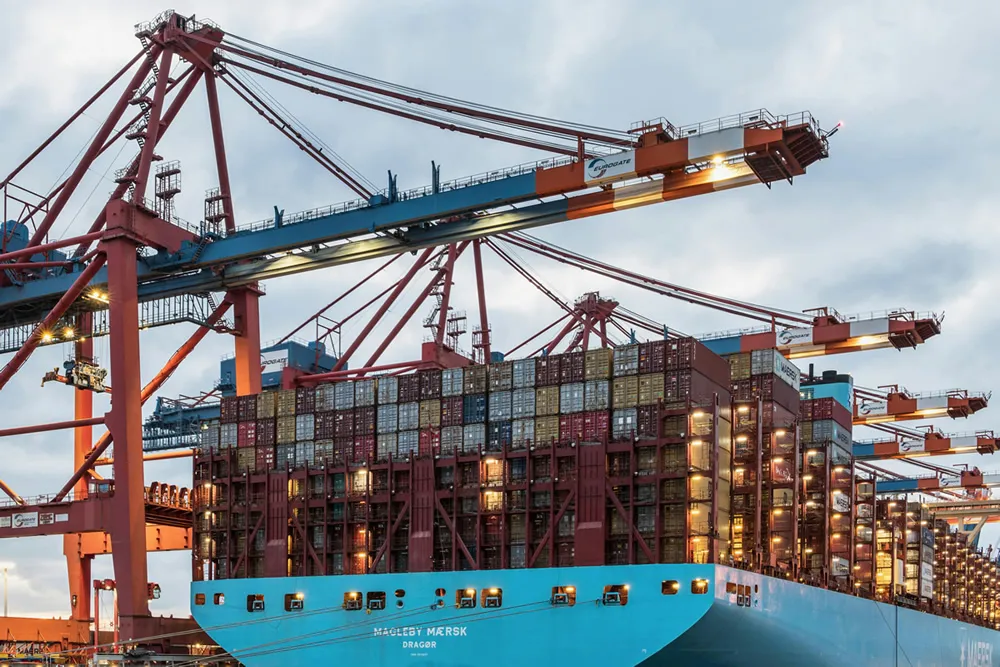
General trade is the most common export trade method. Under this method, domestic enterprises procure raw materials themselves, process them into finished products, and then directly export them to foreign markets. For example, a furniture manufacturing company procures raw materials such as wood from within the country, produces various furniture through its own production processes, and then signs contracts with overseas distributors to export the furniture abroad. The advantage of general trade lies in the enterprise's strong control over the production and sales links, allowing for flexible adjustments to production scale and product characteristics according to market demand. However, it also requires enterprises to have strong financial strength and market development capabilities, as the entire process from raw material procurement to product sales carries risks that the enterprise must bear independently.
Processing Trade
Processing trade is divided into processing with supplied materials and processing with imported materials.
- Processing with supplied materials refers to situations where foreign clients provide raw materials or components, and domestic enterprises process and assemble them according to the client's requirements. The finished products are then delivered to the foreign client for sale, and the domestic enterprise only receives a processing fee. For instance, a certain foreign brand provides fabrics and design drawings, and a domestic garment factory processes them into clothing and sells them back to the brand. This method carries lower risk for domestic enterprises as it does not require significant capital investment in raw material procurement. However, the profit margin is relatively narrow, and enterprise development can be easily limited by foreign client orders.
- Processing with imported materials involves domestic enterprises purchasing raw materials themselves, processing them into finished products, and then exporting them. Unlike processing with supplied materials, enterprises engaged in processing with imported materials own the raw materials and have greater autonomy in product sales. For example, an electronics company independently purchases electronic components, processes them into electronic products, and then exports them to multiple countries and regions. Although processing with imported materials carries relatively higher risks, it also offers a larger profit margin, which is conducive to enterprises accumulating capital and technology and enhancing their competitiveness.
Agency Export
Some enterprises may lack export experience, channels, or qualifications. In such cases, they can opt for agency export. Enterprises entrust professional foreign trade agencies to handle a series of export procedures, including customs declaration, inspection, and foreign exchange settlement. For example, Mr. Quan small manufacturing enterprise, despite having excellent product quality, has always lacked the capability to explore international markets. Therefore, he entrusted Zhongmaoda with agency export. The advantage of agency export is that enterprises can leverage the professional resources and experience of the agency to quickly enter the international market, saving time and effort. However, enterprises need to pay a certain agency fee to the agency and may become dependent on the agency to some extent.
Consignment Trade
Consignment trade refers to exporters first shipping goods abroad and entrusting local consignees to sell them under pre-agreed terms. After the goods are sold, the consignee deducts commission and other fees and remits the payment to the exporter. For example, Mr. Quan handicraft enterprise stores a batch of handicrafts with a local consignee abroad for sale in the local market. Consignment trade helps enterprises establish stable sales channels in the local market and timely understand market demand and feedback. However, the exporter bears the warehousing, transportation, and other expenses and risks of the goods before sale, which requires a certain level of capital and risk tolerance from the enterprise.
By understanding the different export trade methods, enterprises can make the optimal choice based on their actual situation, navigate the international market successfully, and carve out their own niche. Which export trade method are you most interested in? Welcome to leave comments and discuss in the comment section.

Recent Comments (0) 0
Leave a Reply