On the stage of international trade, export agency enterprises play a crucial role. They help numerous manufacturing companies push their products into the international market. However, the closely related taxation issues are like a complex chess game, requiring careful planning and response from enterprises. Today, let's delve into the mysteries of export agency enterprise taxation together.
Fundamentals of Export Agency Enterprise Taxation
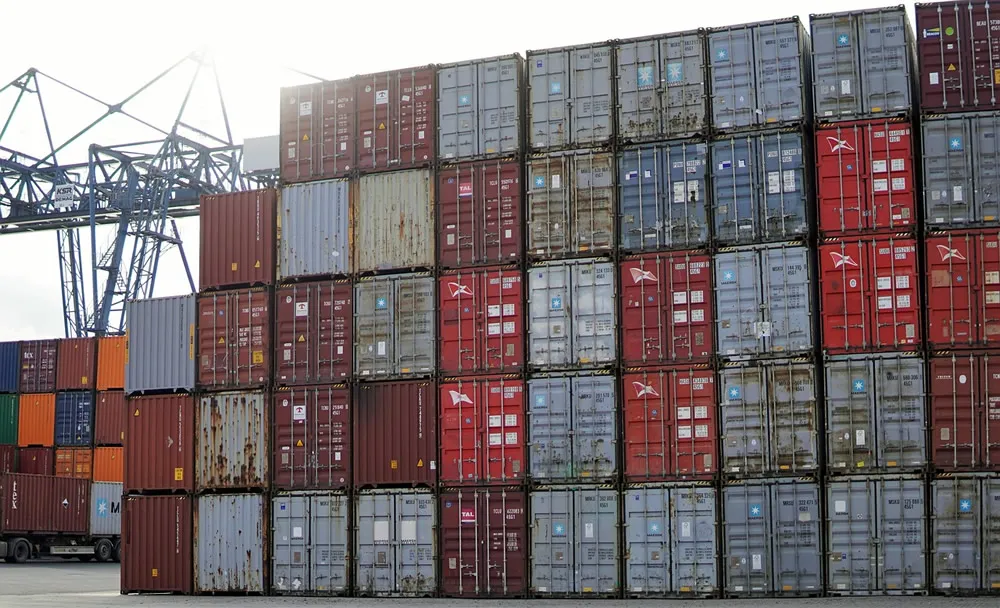
Export agency enterprises primarily involve two major types of taxes: Value-Added Tax (VAT) and Corporate Income Tax. Regarding VAT, since exported goods typically apply a zero-rate policy, export agency enterprises are not subject to VAT at the export stage, and they can also apply for refunds for input VAT included in purchased goods. Corporate Income Tax is levied based on the enterprise's taxable income, which is the balance after deducting various costs, expenses, taxes, and other items from the enterprise's total income.
The Intricacies of VAT Refunds
It's not easy for export agency enterprises to successfully obtain VAT refunds. First, the authenticity and compliance of the business must be ensured, including the genuine export of goods, completeness and legality of relevant documents, etc. For instance, Mr. Peng export agency enterprise once had its refund application delayed for several months due to incorrect information filled in a customs declaration form.
At the same time, different exported goods may be subject to different VAT refund rates, which enterprises need to grasp accurately. Some products have higher refund rates, while others are relatively lower. Furthermore, enterprises need to pay attention to the timeframes for VAT refund declarations; missing the stipulated deadline could lead to the loss of refund eligibility. For example, Mr. Peng enterprise lost a substantial refund amount due to overlooking the declaration deadline.
Key Points for Corporate Income Tax Planning
For export agency enterprises, reasonable planning of corporate income tax is crucial. Regarding cost deductions, it's essential to ensure that all expenses are reasonable and supported by compliant invoices. For instance, business entertainment expenses, travel expenses, etc., must be accounted for strictly according to regulations.
Additionally, making full use of tax incentive policies is also key. Some regions may introduce relevant tax incentives to encourage the development of export agency businesses, and enterprises should actively pay attention and strive for them. For example, certain industrial parks offer a certain percentage of corporate income tax reduction or exemption to resident export agency enterprises, which can undoubtedly save businesses a significant amount of expenditure.
Preventing Tax Risks
Export agency enterprises face numerous tax risks, with policy risk being the foremost. Tax policies are constantly adjusting and changing, and if enterprises cannot keep up in a timely manner, they are very likely to fall into a passive position. For instance, adjustments to refund rates can affect an enterprise's profit margin.
Secondly, there is tax compliance risk. Illegal acts such as issuing fictitious VAT invoices or fraudulently obtaining export tax refunds will not only incur huge fines but may also lead to criminal liability. As a professional export agency enterprise, Zhongmao has always regarded tax compliance as its lifeline, effectively preventing various tax risks through a sound internal management system and a professional tax team.
In conclusion, taxation issues for export agency enterprises are both challenging and full of opportunities. Only by thoroughly understanding tax policies, accurately grasping key operational points, and actively preventing risks can enterprises steadily advance in the tide of international trade. We hope that all enterprise operators will attach importance to tax issues, plan reasonably, and enable their enterprises to achieve maximum benefits under compliance. We also welcome everyone to leave comments and discuss export agency enterprise taxation issues in the comment section.

Recent Comments (0) 0
Leave a Reply