On the global trade stage, many companies opt for export agencies to help their products reach the world. Export agency fees, much like a critical hidden code behind the scenes, influence a company's costs and profits based on their amount and composition. Today, let us together lift the veil on the mystery of export agency fees.
Composition of Export Agency Fees
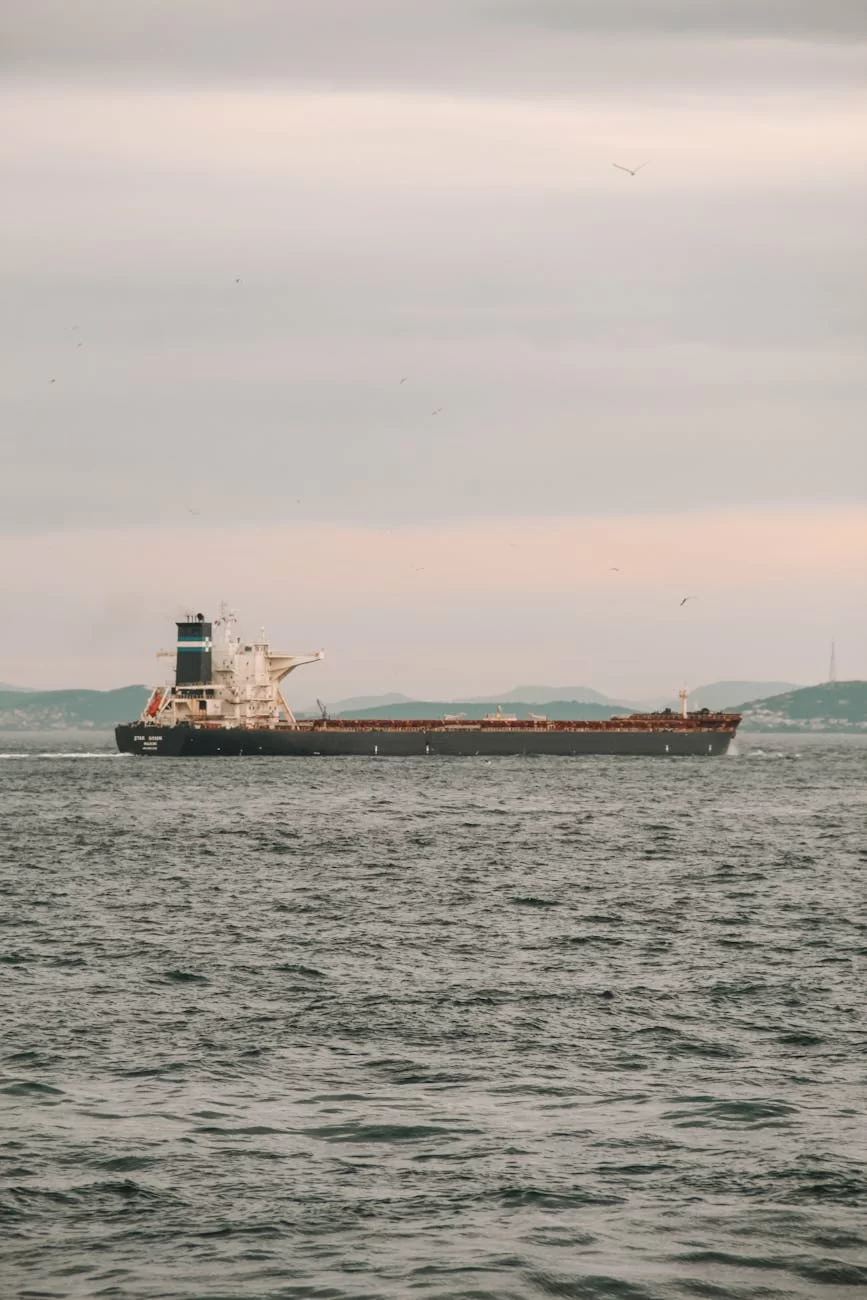
Export agency fees are not a single expenditure but are composed of multiple parts. First is the agency fee, which is the remuneration charged by the agency for providing export services. Different agencies have significantly different standards for collecting agency fees, which are typically calculated as a certain percentage of the value of the exported goods, ranging from 0.5% to 3%. Taking Mr. Cao company as an example, if they export goods worth $1 million and the agency charges a 1% agency fee, this portion of the cost would be $10,000.
Secondly, there are operational fees. Operational fees cover the costs of a series of operational processes, from customs declaration and booking to document handling. In the customs declaration phase, fees such as customs declaration fees and inspection fees may be incurred. Booking involves booking fees, THC (Terminal Handling Charges), and so on. In terms of document handling, fees for bills of lading and certificates of origin are also included. Although these operational fees may seem small individually, they are not to be underestimated when accumulated. For Mr. Cao company, the total operational fees for one export operation can amount to several thousand RMB.
Factors Affecting Export Agency Fees
Cargo type is one of the significant factors influencing export agency fees. For ordinary daily necessities, agency fees are relatively low because the customs declaration and transportation processes for these goods are more routine. However, for special cargo, such as flammable and explosive materials or precision instruments, due to higher transportation and regulatory requirements, the risks and operational difficulties undertaken by the agency increase, naturally leading to higher fees.
The export destination is also a key factor. For some popular and logistically convenient countries and regions, agency fees may be relatively stable and lower. However, for exports to remote, inconveniently located, or trade-policy complex regions, transportation costs increase, and customs clearance becomes more difficult, thus raising agency fees accordingly.
Furthermore, the scale of export also impacts the fees. For larger export orders, agencies may offer certain discounts because larger volumes mean greater profit margins, and selling at lower margins with higher volume is a common business strategy. Conversely, smaller orders may face relatively higher unit agency fees.
How to Reasonably Control Export Agency Fees
When choosing an export agency, one should not solely consider the fee level but also focus on service quality. However, this does not mean choosing the most expensive one, but rather optimizing for cost-effectiveness. Companies can consult several agencies, obtain detailed quotation sheets, and compare the breakdowns of various fees to select the most suitable partner.
At the same time, companies can also reduce costs by optimizing their internal processes. For example, preparing accurate export documents in advance can avoid additional fees caused by document errors. Reasonably scheduling cargo shipments can help avoid high fees associated with expedited operations.
Although export agency fees may seem complex, as long as companies thoroughly understand their composition and influencing factors, and implement reasonable control measures, they can enjoy professional agency services while effectively controlling costs and enhancing their competitiveness in international trade. We hope that all business owners can make wise decisions on their export agency journey, allowing their products to shine brightly in the international market.

Recent Comments (0) 0
Leave a Reply