"Mr. Wen garment factory has been doing domestic trade for ten years and wants to tap into overseas markets this year, but was dumbfounded when calculating the costs – international logistics, customs declaration and tax rebates, foreign exchange settlement, everything was an unfamiliar field." Such stories unfold daily. With the changes in the global trade landscape, export agency services are becoming the preferred solution for more and more SMEs testing the international market. But is this seemingly smooth path really suitable for everyone?
I. The Essence of Export Agency: Not "Proxy Buying," but Resource Integration
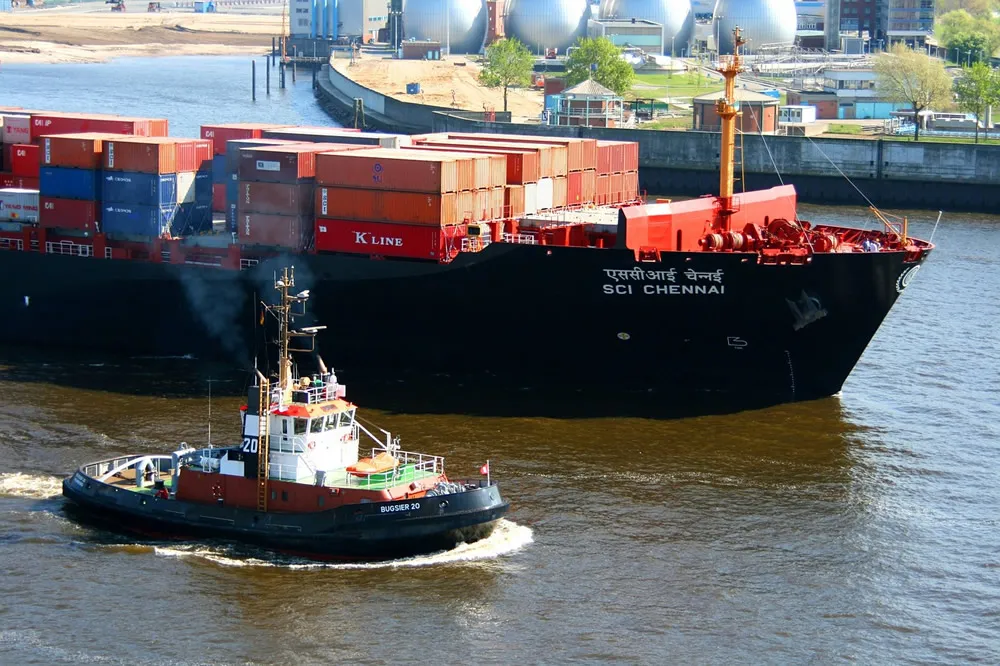
Unlike traditional self-operated export, the core of export agency lies in specialized division of labor:
- Manufacturing enterprises focus on product research and development and manufacturing
- The agency is responsible for the entire process services such as customs declaration, logistics, and foreign exchange settlement
- Both parties share profits through commissions or buy-out models
Zhongmaoda trade experts point out that this model can help SMEs overcome three major hurdles:
- Minimum order quantity restrictions for single orders
- Complex application procedures for foreign trade qualifications
- High costs of building overseas channels
II. Three Decision Points for Choosing an Agency
Mr. Wen electronic accessories factory once lost 30% of its profits due to choosing the wrong agency. Her lessons are worth noting:
- Financial Security: Verify the agency's foreign exchange account management capabilities and be wary of "high exchange rate" traps
- Industry Experience: Export regulations for medical devices and daily necessities differ vastly
- Hidden Costs: Some agencies charge additional fees such as inspection fees and express document fees
It is worth noting that export agency is not a "hands-off" model. Manufacturing enterprises still need to participate in quality control and intellectual property protection to avoid becoming at the bottom of the OEM chain.

III. Model Innovation in the Digital Age
With the application of blockchain technology, some agencies have begun to provide full-process visual services:
- Real-time tracking of cargo dynamics from factory to port
- Automatic matching of optimal tax rebate schemes
- Intelligent early warning of exchange rate fluctuation risks
This transparent operation is changing the rigid stereotype of traditional agency industry's "black box operations." However, technological means are ultimately tools, and commercial integrity is the cornerstone of cooperation.
IV. Key Choices for Long-Term Development
When a company's annual export volume exceeds 5 million US dollars, it faces a soul-searching question:
- Continue to rely on agencies to save management costs?
- Build its own foreign trade team to take control?
A cross-border e-commerce founder's advice is pertinent: "Use agencies to gain experience first, but always retain the qualification for self-operated export. It's like a child learning to ride a bike; the training wheels will eventually be removed."
Standing at the crossroads of global trade, every company needs to consider: Is export agency a temporary stepping stone or a long-term strategy? Welcome to share your overseas expansion stories or challenges in the comment section, perhaps the next million-dollar insight is hidden in the dialogue.

Recent Comments (0) 0
Leave a Reply