"Mr. Pang recently received an overseas order but it was detained by customs due to errors in the customs declaration documents, resulting in a loss of nearly 100,000 yuan." Such stories are not uncommon in cross-border trade. With the acceleration of globalization, more and more SMEs aspire to "go global," but the complex processes, unfamiliar regulations, and high trial-and-error costs deter many companies. At this point, the value of **trade export agent companies** becomes apparent – they act as experienced guides, helping companies navigate treacherous waters and reach their target markets directly.
Why Do Companies Need Export Agents?
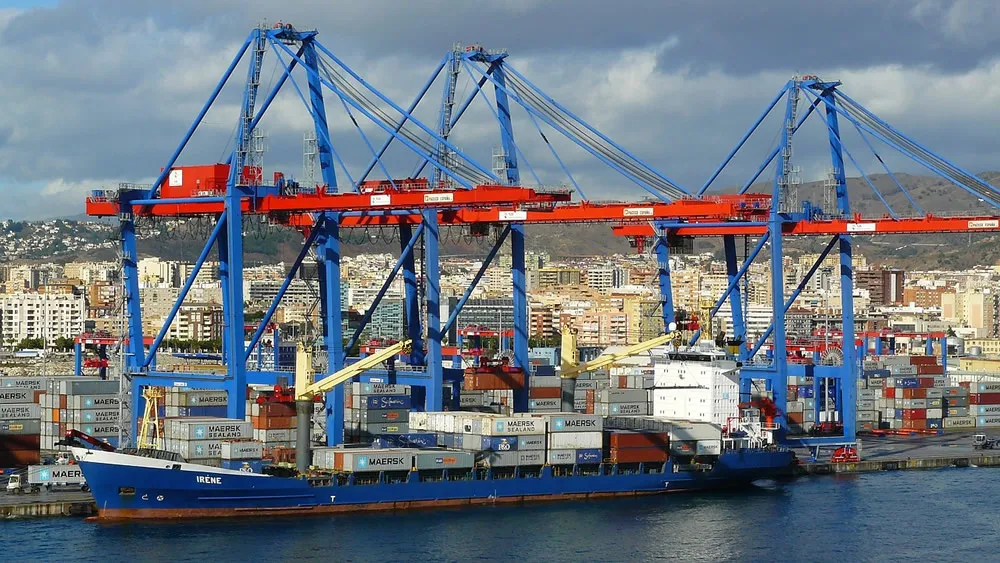
According to industry data, approximately 67% of SMEs encounter the following problems during their first independent export:
- Products returned due to unfamiliarity with the target country's standards
- Missed opportunities during the preferential tariff policy window
- Logistics costs exceeding the industry average by over 30%
"Mr. Pang ceramic crafts were once destroyed in batches because the packaging did not meet EU environmental standards," revealed a consultant from an agent company. "Later, through professional agents optimizing the supply chain, exports increased by 200% the following year." The core value of export agents lies in:
Exchanging Professional Knowledge for Enterprise Trial-and-Error Costs
Three Capability Dimensions of Excellent Agent Companies
When choosing agent services, it is recommended to focus on:
- Regulatory Responsiveness: Ability to track real-time trade policy changes in over 200 economic entities globally (e.g., the weekly update mechanism of the "Customs Database" established by Zhongmaoda)
- Resource Integration Capability: Whether possessing a stable network of primary and secondary freight forwarders, inspection agencies, and localized service providers
- Risk Foresight Capability: Whether there are early warning plans for exchange rate fluctuations and political risks in emerging markets
It is worth noting that leading agent companies have begun to utilize AI technology. For instance, by analyzing historical customs clearance data through machine learning, the prediction accuracy of clearance times for special goods can be improved to 91%.
Three Cognitive Misconceptions During Cooperation
When cooperating with agent companies, beware of these common misconceptions:
- Believing that "the cheaper the agent fee, the better" (low prices may indicate subcontracting of key links)
- Over-reliance on agents while neglecting the construction of internal compliance capabilities
- Failure to clearly define intellectual property protection clauses
A maternity and infant product manufacturer once had millions of yuan worth of probiotics rendered useless because the agent arbitrarily changed the logistics provider, leading to a loss of temperature control during transportation. It is recommended to adopt a "basic service fee + performance bonus" model to deeply bind the interests of both parties.
Future Trend: From Agent to Ecosystem Enabler
Leading trade export agent companies are transforming into:
Digital Trade Infrastructure Providers
They achieve full-process traceability through blockchain technology, use big data to provide market entry strategy consulting, and even build cross-border payment channels. This transformation means that companies receive not just "customs clearance services," but a complete cross-border business solution.
When considering expanding into overseas markets, it's worth pondering: will you continue to grope in the mist alone, or leverage a professional "navigation chart"? Welcome to share your cross-border trade stories or questions in the comment section, and we will invite senior agent consultants to provide answers.

Recent Comments (0) 0
Leave a Reply