When Mr. Ji first sold the smart home devices produced by his factory to Europe, he thought the most challenging part was product research and development. It wasn't until customs documents were rejected three times consecutively and logistics costs exceeded his budget by 40% that he realized—the invisible hurdles of international trade often lie in the "last mile" grey area. This is where the value of federal export agents lies: they act like connectors in Lego bricks, ensuring that fragmented cross-border processes fit together seamlessly.
Why Do You Need a Professional Export Agent?
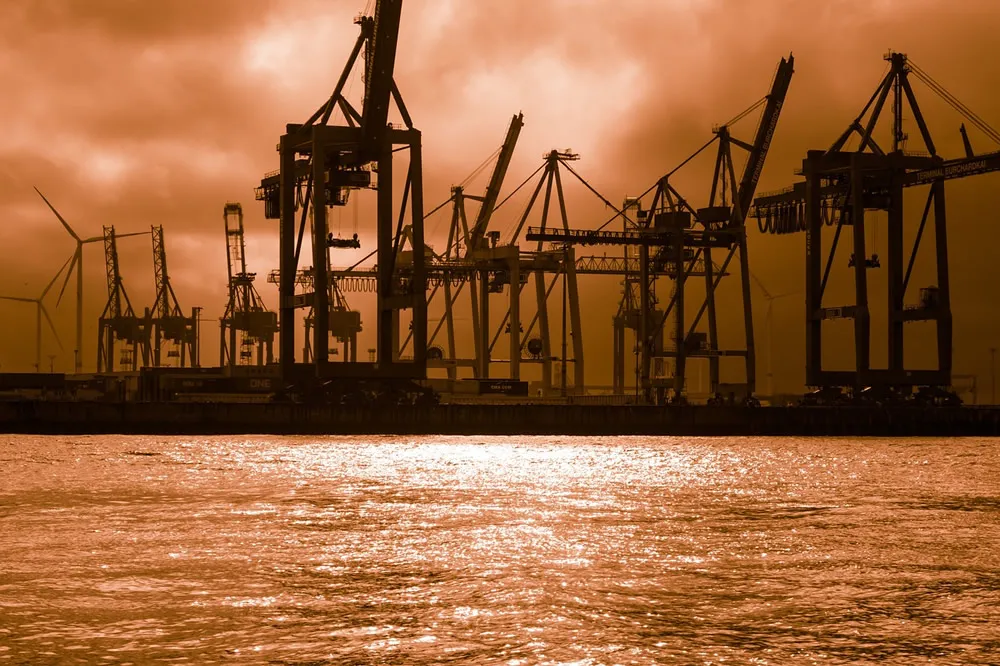
Mr. Ji ceramic handicrafts were once detained at the destination country's customs for two weeks due to incorrect HS code classification, incurring high storage fees. The core value of federal export agents is precisely to address three types of pain points:
- Compliance Black Hole: Requirements for certificates of origin and quality inspection standards can be updated annually by different countries.
- Cost Traps: The choice of logistics solutions, such as ocean LCL or air cargo ULD, directly impacts up to 30% of the profit margin.
- Timeliness Out of Control: Pre-clearance capabilities determine whether goods remain at the port for 48 hours or 15 days.
Zhongmaoda's Four-Dimensional Service Model
As an industry benchmark, its service architecture is worth referencing:
- Intelligent Document Review System: Automatically verifies documentation requirements for over 200 countries, reducing the error rate to 0.3%.
- Tariff Optimization Algorithm: Matches optimal tariff solutions through an FTA rule matrix.
- Crisis Response Mechanism: Provides 6-hour solutions for emergencies such as customs detention.
- Data Cockpit: Visualizes shipment status and compliance scores.
Three Golden Rules for Choosing an Agent
Mr. Wang summarized his hard-earned experience over five years:
- Request the agent to provide operation cases for the same product category from the last 12 months.
- Verify the localization level of their overseas partner customs brokers (e.g., whether they have their own teams).
- Test their response speed to emergencies (e.g., intentionally provide incorrect information to observe correction efficiency).
The Future Is Here: The Rise of Digital Agents
As blockchain-based certificates of origin and AI tariff calculators become increasingly prevalent, the value of traditional agents' paperwork processing is diminishing. A pioneering enterprise has already achieved automated services where customers "input product parameters → generate a full-chain compliance solution" using digital twin technology. The ultimate outcome for this industry may well be to become the operating system for cross-border trade.
Is your export business still paying a "knowledge tax"? It's worth reviewing now: how much of the demurrage fees for your last shipment could have been avoided with a professional agent? Competition in cross-border business has long extended from the factory floor to the customs brokerage.

Recent Comments (0) 0
Leave a Reply