In the wave of globalization, export trade serves as a bridge, connecting markets worldwide. Export cargo customs clearance, like a checkpoint on this bridge, is small yet crucial, determining whether goods can smoothly reach destinations globally. Today, let us delve deep into this pivotal area of export cargo customs clearance.
Full Analysis of Customs Clearance Fundamentals
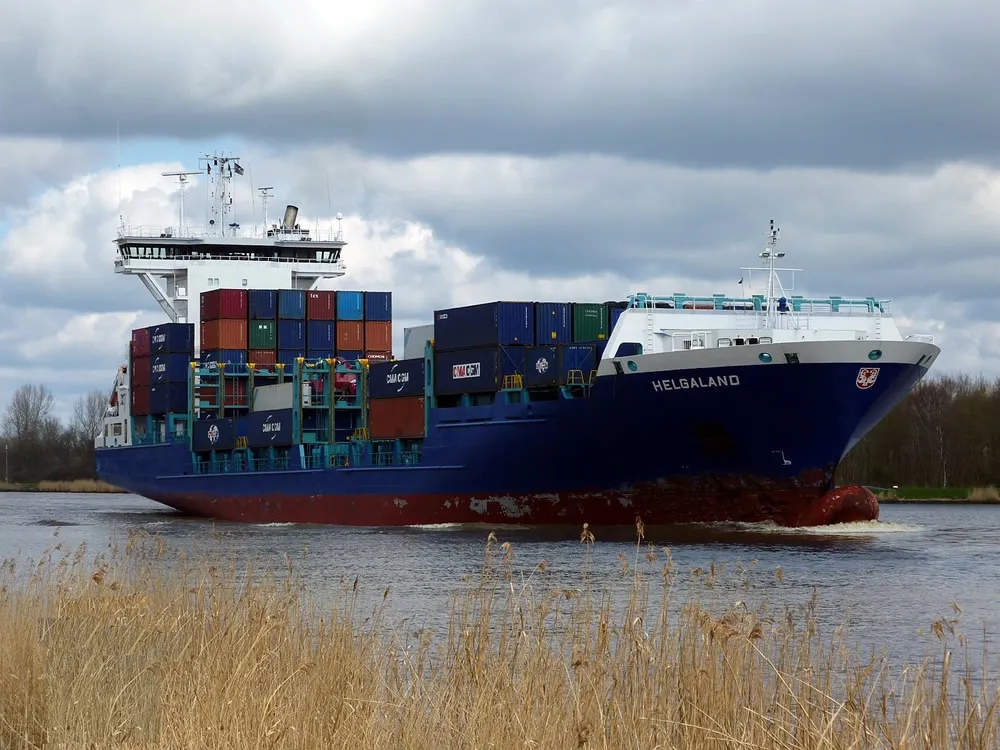
Customs clearance, simply put, involves declaring to customs, presenting documents, accepting customs supervision and inspection, and fulfilling all stipulated procedures during the import and export of goods. Only after obtaining customs permission can the goods be cleared. In the export cargo customs clearance stage, several core elements require particular attention. Firstly is declaration, where exporters must truthfully report detailed information about the goods to customs, including their name, quantity, value, origin, etc. Any inaccuracies in the declared information can not only lead to clearance delays but also result in penalties such as fines.
Secondly is document preparation, which is the "pass" for customs clearance. Common documents include commercial invoices, packing lists, and bills of lading. Commercial invoices detail the transaction information of the goods, packing lists describe the packaging conditions, and bills of lading serve as proof of transportation. These documents must be accurate and consistent with each other, otherwise, customs will not grant clearance.
Step-by-Step Guide to the Customs Clearance Process
Export cargo customs clearance follows a rigorous process. The first step is cargo preparation, where exporters must ensure the goods are properly packed, meet transportation requirements, and prepare all necessary documents. Next is the declaration phase, where exporters or their agents declare export cargo information to customs through systems like the electronic port. Upon receiving the declaration information, customs will conduct a review, which may include physical inspection of the goods. If the goods match the declared information, customs will grant clearance, and the goods can be loaded onto the transport vehicle and sent to their destination.
In practice, the customs clearance process may vary for different types of goods and destination countries or regions. For instance, some countries have special regulatory requirements for specific commodities, necessitating additional certifications or inspection and quarantine certificates. This requires exporters to conduct thorough research and preparation in advance to avoid clearance obstacles due to unfamiliarity with the rules.
Common Issues and Coping Strategies
During the export cargo customs clearance process, various tricky issues may arise. For example, document discrepancies, which can be caused by errors in filling out forms or missing documents. In such situations, exporters should promptly communicate with freight forwarders, customs brokers, etc., to correct errors or supplement documents as soon as possible. Another issue is failed cargo inspection, which might occur if the goods' quality or specifications do not meet requirements, or if they are inconsistent with the declared information. In this case, exporters need to actively cooperate with customs investigations, provide relevant supporting materials, explain the reasons, and make rectifications as required by customs.
Choosing a professional and reliable customs clearance agent is also vital. Agents like Zhongmaoda, with extensive experience and a good reputation in the industry, can help exporters efficiently handle customs clearance matters and reduce risks.
Stay Updated on Policy Dynamics for an Optimized Clearance Path
Global trade policies are constantly evolving, and customs regulations in various countries are continuously updated. Exporters must stay vigilant about policy changes and adjust their customs clearance strategies accordingly. Only by doing so can they navigate the path of export cargo customs clearance smoothly and better explore international markets. Let us take proactive steps, deepen our understanding of customs clearance knowledge, and embark on a smooth export trade journey with a professional attitude and actions.

Recent Comments (0) 0
Leave a Reply