Hey, foreign trade practitioners and friends interested in international trade! Today, we're going to have a good chat about a crucial aspect of export business – export customs declaration and clearance. This is directly related to whether our goods can successfully leave the country and reach customers all over the world, so let's dive in and understand it thoroughly.
I. What is Export Customs Declaration and Clearance?
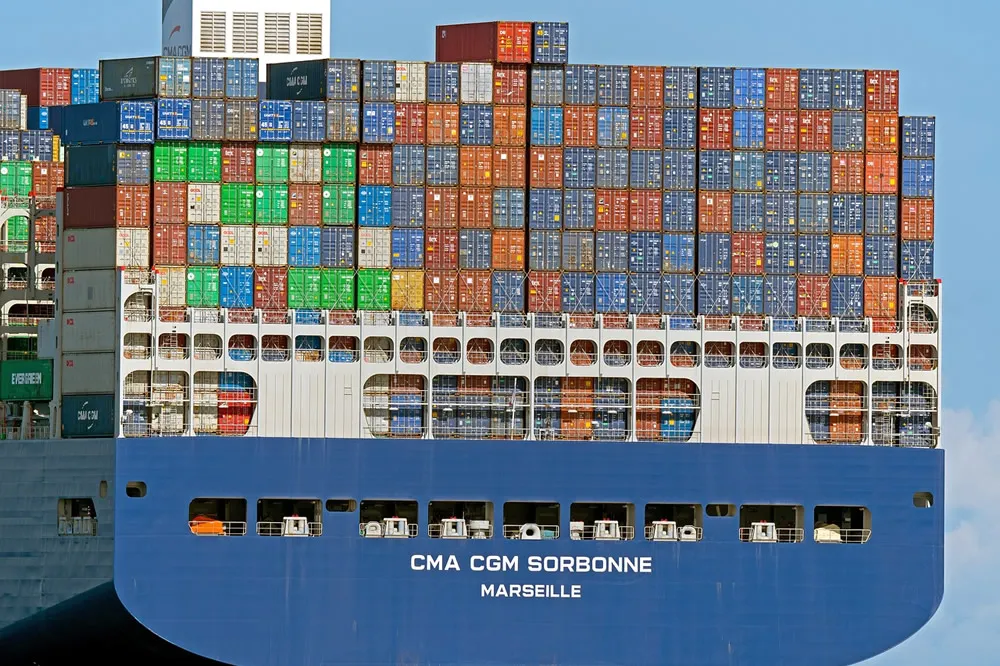
Simply put, export customs declaration and clearance refers to the process where the consignor or their agent declares to customs and presents the required documents and certificates to request customs to handle the clearance procedures for export goods. It's like a "clearance ceremony" for goods going abroad; only after passing strict customs review can the goods embark on their journey across the ocean.
II. Why is Export Customs Declaration and Clearance So Important?
- Firstly, it is a prerequisite for legal and compliant export. Without going through the formal clearance and declaration process, the export of goods would be in violation and could face severe penalties, which can be a significant blow to a company.
- Secondly, accurate declaration ensures smooth transportation of goods. Customs will arrange inspection, release, and other procedures based on the declared information. With accurate and complete information, goods can be arranged for shipment by sea, air, or other means on time and in order, avoiding delays in delivery.
- Furthermore, it holds significant importance for the statistical monitoring and regulation of international trade. Through declaration data, countries can understand their import and export situation, enabling them to formulate relevant trade policies.
III. Main Process of Export Customs Declaration and Clearance
Generally, it involves the following key steps. The first step is to prepare the declaration documents, such as commercial invoices, packing lists, customs declarations, and transportation documents. These documents must be accurate and complete. The second step is to declare to customs, submitting the prepared documents and truthfully filling in all information on the customs declaration form. The third step is customs inspection; customs may conduct random checks to see if the goods match the declared information. The fourth step is to pay taxes and fees; any payable taxes and fees should be paid promptly. The final step is customs release; once everything is in order, customs will grant release, and the goods can be exported smoothly.
IV. Zhongmaoda's Advantages in Export Customs Declaration and Clearance
Zhongmaoda possesses extensive experience and a professional team in the field of export customs declaration and clearance. They are familiar with the regulations and requirements of customs in various countries, enabling them to provide precise declaration services to clients. Whether it's preparing documents or communicating and coordinating with customs, Zhongmaoda can handle it perfectly, giving clients peace of mind. Moreover, Zhongmaoda can tailor personalized declaration plans according to clients' different needs, truly safeguarding their export business.
V. Precautions and Common Issues
- Pay attention to the accuracy and completeness of documents; any minor error can lead to declaration delays or even failure.
- Timely attention should be paid to changes in customs policies, as customs requirements may vary at different times.
- For certain special goods, such as dangerous goods, the declaration procedures and requirements will be more stringent, so thorough preparation is essential.
In conclusion, although the process of export customs declaration and clearance is relatively complex, as long as we take it seriously, understand the intricacies, and choose a reliable partner like Zhongmaoda, our export business can be much smoother. Fellow friends, do you have any further questions or experiences to share regarding export customs declaration and clearance? Let's discuss together, and let's make our journey in international trade smoother!

Recent Comments (0) 0
Leave a Reply