Have you ever wondered why some enterprises can easily sell their products overseas, while others struggle only in the domestic market? Import and Export Rights, this seemingly profound concept, is actually the first step for many enterprises towards the international market. This article will unveil the mystery of import and export rights for you, telling you how to obtain this "international passport" step by step.
What are Import and Export Rights?
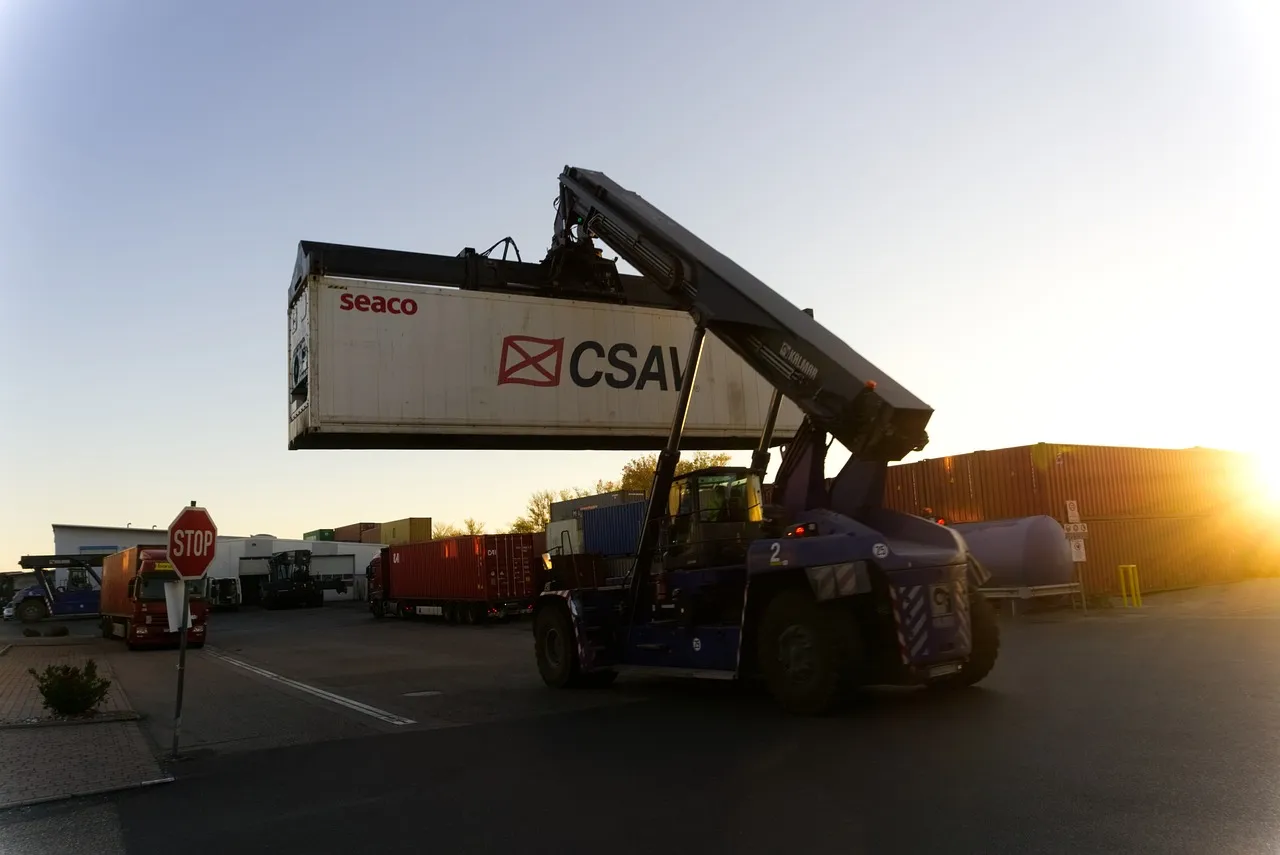
Simply put, import and export rights refer to the qualification legally enjoyed by enterprises to engage in import and export trade. Enterprises with import and export rights can directly conduct transactions with foreign clients, without the need for a third-party agent. This not only reduces costs but also improves transaction efficiency.
Why Apply for Import and Export Rights?
The benefits of applying for import and export rights are obvious:
- Directly trade with foreign clients, reducing intermediate links
- Enjoy national policy benefits, such as export tax rebates
- Enhance corporate image and strengthen market competitiveness
Mr. Qin is the owner of a small manufacturing enterprise. After applying for import and export rights last year, his company's overseas orders grew by 30%.
How to Apply for Import and Export Rights?
Applying for import and export rights is not complicated, but requires following a specific process:
- Step One: Register a Company. First, you need a legally registered enterprise.
- Step Two: Obtain a Business License. Ensure that the business license includes business scope such as "import and export" or "foreign trade".
- Step Three: Apply for Customs Registration. Submit relevant materials to the local customs to obtain a customs code.
- Step Four: Handle Foreign Exchange Registration. Register with the foreign exchange administration and open a foreign exchange account.
- Step Five: Apply for an E-Port Card. This is the electronic identity document for enterprises to conduct import and export trade.

Mr. Qin found during the application process that, preparing all materials in advance can significantly shorten the processing time.
Frequently Asked Questions
During the process of applying for import and export rights, many enterprises encounter some common issues:
- Question One: How long does the application take? It usually takes 1-2 months, with the specific time varying by region.
- Question Two: What are the costs? It mainly includes administrative fees and agency fees, with the total cost being around several thousand yuan.
- Question Three: Can individuals apply? No, it must be a corporate entity.
What to Do After Obtaining Import and Export Rights?
Obtaining import and export rights is just the first step; next, you need to:
- Understand international trade rules and regulations
- Find reliable overseas clients or suppliers
- Establish a comprehensive logistics and payment system
Remember, import and export rights are a key; how to open the door to the international market still requires your wisdom and effort.
Conclusion: Is Your Enterprise Ready to Go Global?
Import and export rights are not only the starting point for enterprise internationalization, but also an important tool for enhancing competitiveness. Whether you are a newly established small enterprise or a manufacturer with a certain scale, now is the best time to apply for import and export rights. If you have any questions, feel free to leave a comment, and we will answer them for you.

Recent Comments (0) 0
Leave a Reply