On the vast stage of international trade, the term "export re-importation" is frequently heard, and perhaps many people have this question in their minds: Is export re-importation real? Today, let us delve into this together and uncover the truth behind export re-importation.
I. What Exactly is Export Re-importation?
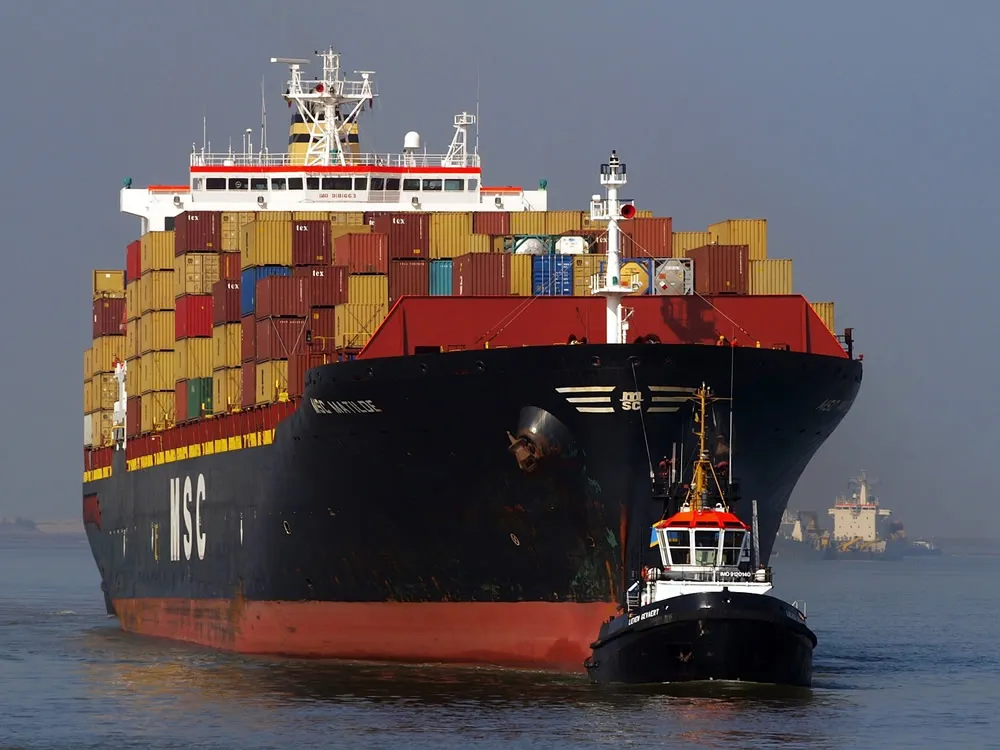
Export re-importation, simply put, refers to goods that have been exported abroad and are then returned to the domestic country for various reasons. The reasons for this can be diverse.
- For example, there are issues with product quality. Mr. Zhuang once encountered such a situation. The company he worked for exported a batch of electronic products, but upon reaching the foreign customer, it was discovered that some products had unstable performance and could not be used normally. The customer then requested that this batch of goods be re-imported for repair or replacement.
- Another possibility is disputes in trade contracts. A batch of clothing exported by Mr. Zhuang company had deviations in color and style compared to what was stipulated in the contract. Although it was not a quality issue, it did not meet the customer's requirements, ultimately leading to the re-importation of the goods.
II. What is the Process of Export Re-importation?
When it is decided to proceed with export re-importation, it is not as simple as just shipping the goods back. There is a relatively stringent process involved.
- Firstly, the exporting enterprise needs to submit a re-importation application to the customs, providing detailed information about the reasons for re-importation and the basic status of the goods. Customs will review this information, and only after approval will the re-importation operation be allowed to proceed.
- Next, it is time to arrange the transportation of the goods. The appropriate mode of transportation must be selected to ensure that the goods can be returned to the domestic country safely and intact. During this process, relevant transportation procedures must be completed, such as customs declaration and inspection, and nothing can be missed.
- Finally, after the goods arrive in the domestic country, they need to undergo inspection, warehousing, and other operations according to customs requirements. Only after completing these steps is the entire export re-importation process considered truly finished.
III. What are the Impacts of Export Re-importation on Enterprises?
For enterprises, export re-importation undoubtedly has multifaceted impacts.
- From an economic perspective, it increases enterprise costs. On one hand, there are transportation costs; shipping goods out and then back incurs significant freight charges. On the other hand, there may be costs associated with repairing or processing the goods. If the re-importation is due to quality issues, it may also involve compensating the customer for losses, all of which will put pressure on the enterprise's financial situation.
- From the perspective of corporate reputation, frequent export re-importation or re-importation due to quality issues can lead foreign customers to doubt the quality and credibility of the enterprise's products. This is not conducive to the long-term development of the enterprise in the international market and may lead to customer loss and a decrease in subsequent orders.
IV. How to Cope with Export Re-importation?
Since export re-importation can bring about many adverse effects, how should enterprises cope?
- Firstly, ensure strict control over product quality. Production should strictly adhere to standards, and quality testing should be carried out thoroughly to ensure that exported products are of excellent quality, thereby reducing the possibility of re-importation due to quality issues from the source.
- Secondly, when signing trade contracts, all terms should be specified as detailed and clearly as possible, including product specifications, quality standards, delivery times, etc., to avoid disputes arising from vague contract terms, which could then lead to re-importation.
- Finally, if an export re-importation situation unfortunately occurs, actively cooperate with the work of customs and other relevant departments, and process the re-importation matters as quickly as possible according to the procedures to minimize losses.
Therefore, export re-importation is a real phenomenon in international trade, with its own causes, processes, and impacts on enterprises. Only by fully understanding it and adopting effective coping strategies can enterprises navigate the waves of international trade more successfully. Dear readers, do you have a clearer understanding of export re-importation? Welcome to leave your comments in the comment section.

Recent Comments (0) 0
Leave a Reply