In the vast realm of foreign trade, export tax rebates are a crucial policy that receives significant attention. For many businesses, it can effectively reduce costs and increase profit margins. However, when it comes to export tax rebate agents, many people become confused: how much exactly are these agency fees? Today, let's have a thorough discussion on this topic.
I. Factors Constituting Export Tax Rebate Agency Fees
1. Export Business Volume
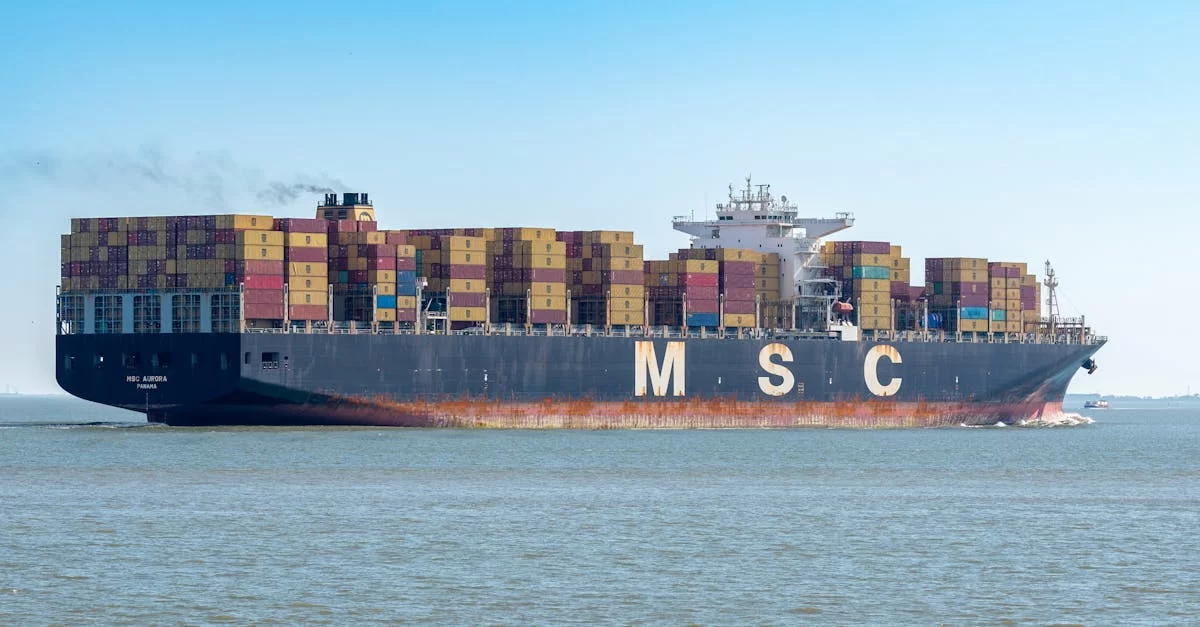
Generally speaking, the larger a company's export business volume, the greater the workload for the export tax rebate agent. For example, a company with a large number of export orders each month will require the agency to handle numerous documents such as customs declarations and invoices. The corresponding human and time costs naturally increase, so in such cases, agency fees may be relatively higher. Conversely, if the export business volume is smaller, the agency fees will also decrease accordingly.
2. Scale of Tax Rebate Amount
The size of the tax rebate amount is also a key factor influencing agency fees. When the tax rebate amount that a company can obtain is higher, the responsibility and risk undertaken by the agency also increase to some extent. After all, it involves the processing and declaration of large sums of money, requiring greater rigor and meticulousness. Therefore, businesses with a larger tax rebate amount typically incur higher export tax rebate agency fees.
3. Complexity of Company Documentation
Some companies have more complex business types, which may involve the export of multiple products, or their own financial and tax-related documentation is not well-organized or clear. This presents more difficulties and workload for the agency in handling export tax rebate procedures. For instance, a company that exports both electronics and apparel may have differences in tax rates and customs declaration requirements for different products. The agency needs to spend more effort in organizing and declaring, and in such situations, agency fees will also be affected and increase.
II. Common Charging Methods for Export Tax Rebate Agents
1. Fixed Fee Charging
Some agencies will provide a fixed agency fee based on the company's scale or estimated workload. This method is relatively easy for businesses with stable operations and little change in their export business models to calculate costs. For example, Zhongmaoda might charge a fixed annual agency fee for some small businesses with single export product lines, allowing the company to have a clear understanding and facilitate advance financial planning.
2. Percentage of Tax Rebate Amount Charging
This is a more common charging method. The agency will charge a fee as a certain percentage of the tax rebate amount ultimately obtained by the company. Usually, this percentage will fluctuate within a reasonable range, for instance, some might be around 3% - 8% of the tax rebate amount. This way, the agency's income is directly linked to the company's tax rebate situation. The more tax rebate the company receives, the more the agency collects. However, companies need to weigh this, as a very high tax rebate amount will also result in a significant agency fee.
III. How to Choose a Suitable Export Tax Rebate Agent and Control Costs
Firstly, companies need to have a clear understanding of their own export business, including business volume, scale of tax rebate amounts, and complexity of documentation. Then, compare several agencies and understand their respective charging methods and standards. For example, when Mr. Yan was looking for an export tax rebate agent, his company consulted Zhongmaoda and several other agencies, inquiring in detail about their fee plans tailored to his company's situation.
Secondly, it is important to assess the professional capabilities and reputation of the agency. A professional agency can handle export tax rebate procedures more efficiently and accurately. Although the fees may not be the lowest, it can avoid delays in tax rebates or other problems caused by unprofessionalism, ultimately saving costs for the company in the long run. This can be evaluated by reviewing the agency's past cases and customer reviews.
In summary, there is no fixed standard for export tax rebate agency fees; they are influenced by multiple factors. When choosing an agency, companies should consider all aspects comprehensively to ensure smooth receipt of entitled tax rebates while reasonably controlling agency fee expenditures. We hope that all business owners can handle the important matter of export tax rebate agency services smoothly on their path of foreign trade, allowing their businesses to develop more successfully. So, what are your thoughts on export tax rebate agency fees? Feel free to leave a comment in the comment section to discuss.

Recent Comments (0) 0
Leave a Reply