On the stage of international trade, export tax rebate tax amounts and agent export payments are like two crucial "keys," relating to enterprises' cash flow and operational efficiency. Today, let us delve deeply into these two important areas and uncover the mysteries behind them.
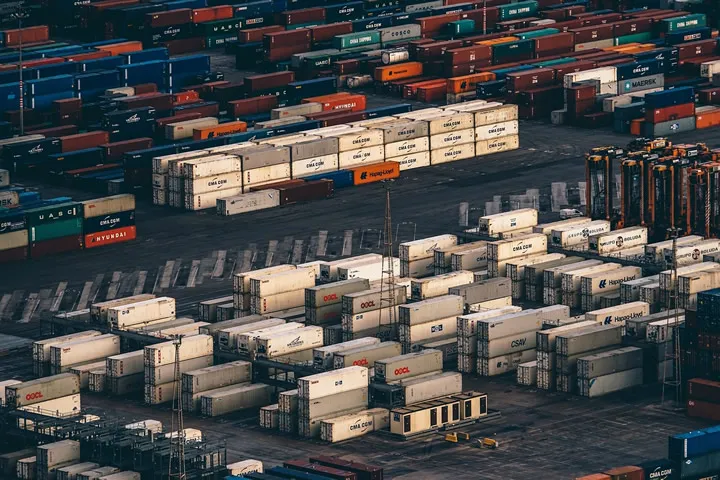
Export Tax Rebate Tax Amount: Policy Dividends and Practical Key Points
Export tax rebate, in essence, is a policy by which the state encourages enterprises to export, enhances the competitiveness of products in the international market, and refunds the value-added tax and consumption tax actually paid during the domestic production and circulation stages of exported goods. For exporting enterprises, this is undoubtedly a tangible policy dividend. For example, if an enterprise produces a certain type of product and pays a certain amount of tax during its domestic production stage, after the product is successfully exported and meets relevant tax rebate policy regulations, it can receive the corresponding tax rebate amount. This directly reduces the enterprise's costs and increases profit margins.
However, applying for export tax rebates is not easy. Firstly, enterprises need to meet a series of conditions, such as the products being goods within the scope of value-added tax and consumption tax collection, and having been declared for customs and departed the country for export. In practical operations, enterprises must accurately prepare various declaration materials, including export goods customs declaration forms, export invoices, and purchase invoices. The absence or error of any document can lead to delays or even failure of the tax rebate application. Taking "Zhongmaoda" as an example, during one tax rebate application, their process was hindered due to an incorrect product specification on the customs declaration form. It was only after repeated communication with relevant departments and revision of documents that they finally successfully obtained the tax rebate.
Agent Export Payments: Cooperation Models and Risk Prevention
When some enterprises lack the ability to export directly, or wish to leverage the resource advantages of professional agencies, they choose the agent export model. In this model, the principal and the agent sign an agent export agreement. The agent is responsible for handling export customs declaration, foreign exchange collection, and a series of other procedures. The principal pays a certain agency fee to the agent and receives the agent export payments.
The settlement of agent export payments involves multiple parties' interests and also carries certain risks. On the one hand, after the agent receives the payment from the foreign customer, they need to settle with the principal in a timely and accurate manner. If the agent experiences cash flow problems or a lack of integrity, it may lead to the principal being unable to receive the agent export payments on time. On the other hand, the principal should also pay attention to the agent's compliance during the operation process. For example, if the agent engages in non-compliant operations during customs declaration, it may bring tax risks and legal liabilities to the principal. When "Zhongmaoda" acts as an agent for other enterprises' export businesses, it always strictly adheres to the agreed terms, ensuring that every agent export payment is settled to the principal in a timely and accurate manner, while also standardizing operating procedures to avoid potential risks.
Plan Rationally and Seize Opportunities
Export tax rebate tax amounts and agent export payments are crucial for the development of enterprises. Enterprises should thoroughly study export tax rebate policies, strengthen internal management, ensure the accuracy and completeness of declaration materials, and fully enjoy policy dividends. When choosing agent export services, enterprises should carefully select agents, sign detailed and standardized agreements, clarify the rights and obligations of both parties, and strengthen risk prevention.
It is hoped that enterprises can achieve steady development in the tide of international trade by rationally planning export tax rebate tax amounts and standardizing the handling of agent export payments. We also welcome everyone to share their experiences and insights on these two topics in the comment section to jointly explore the path of enterprise development.

Recent Comments (0) 0
Leave a Reply