On the global trade stage, the export tax rebate policy acts as a powerful lever, helping businesses reduce tax burdens and enhance the competitiveness of their products in international markets. However, the fees involved in the export tax rebate process often leave businesses perplexed. Today, let us unveil the mystery surrounding the fees for handling export tax rebates.
Fee Items Potentially Involved in Handling Export Tax Rebates
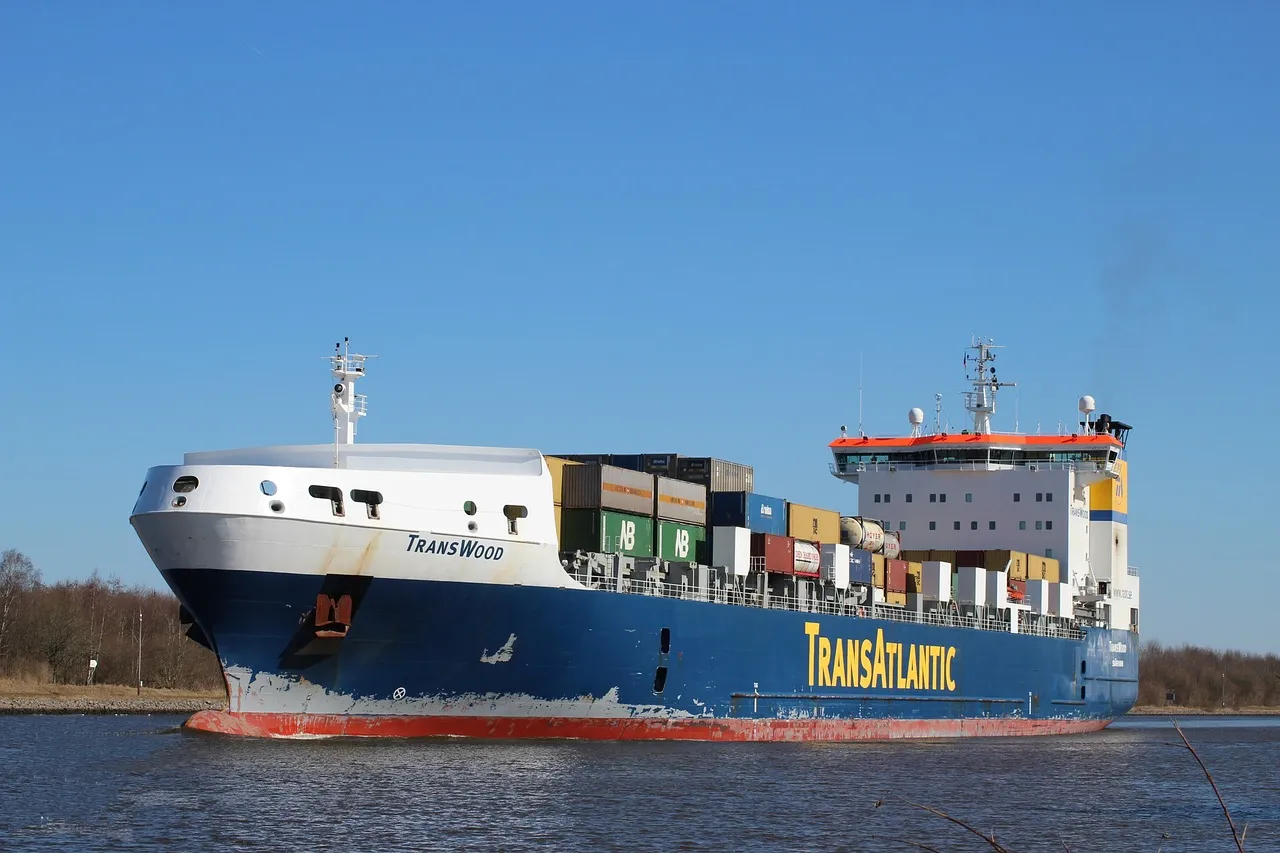
Firstly, agency service fees are a relatively common charge. Many businesses, lacking professional knowledge and experience in export tax rebates, choose to entrust specialized agencies to handle the process. These agencies provide a series of services, from document organization and declaration to subsequent follow-up, and naturally charge corresponding service fees. The collection of these fees is usually related to factors such as the complexity of the business and the export amount. For instance, for businesses with relatively simple operations and smaller export volumes, agency service fees may be lower; while for large export enterprises involving multiple products and complex business processes, the higher human and time costs required by agencies will lead to correspondingly increased service fees.
Secondly, document fees should not be overlooked. Numerous documents are required for export tax rebate declarations, such as customs declarations, invoices, and bills of lading. The acquisition, organization, and potential authentication and translation of these documents can incur costs. Taking customs declarations as an example, customs brokers charge certain fees after completing customs clearance business, which indirectly contributes to the costs of handling export tax rebates. If businesses require translation of some foreign language documents, they will also have to pay translation fees.
Furthermore, training fees may also arise. When businesses intend to train their internal staff to handle export tax rebate matters themselves, they may invite professionals for training. Professional training can enable company employees to quickly grasp key knowledge of export tax rebate policies and regulations, declaration procedures, etc., but this also requires businesses to pay corresponding training fees.
Factors Influencing Export Tax Rebate Handling Fees
Business volume is one of the significant factors influencing fees. Enterprises with large export volumes, involving numerous documents and complex declaration procedures, consume more resources whether handled by an agency or by themselves, leading to higher fees. For example, a large enterprise with an annual export value of tens of millions of US dollars will likely have significantly different handling fees compared to a small enterprise with an annual export value of only hundreds of thousands of US dollars.
Regional differences also impact fees. Different regions have varying levels of economic development and market competition, resulting in different fee standards for handling export tax rebates. In economically developed regions with active foreign trade, market competition may lead to more transparent and reasonable agency fees; while in some regions with less foreign trade, fees might be higher.
Policy changes also affect fees. Export tax rebate policies are not static, and when policies are adjusted, the handling procedures, declaration requirements, and other aspects may change accordingly. Agencies or trainers need to invest time and effort in studying new policies and adjusting their services, which can lead to fluctuations in fees.
How to Reasonably Control Export Tax Rebate Handling Costs
Businesses can reduce agency service fees by strengthening internal training, enhancing their own capacity to handle export tax rebates, and reducing reliance on agencies. Simultaneously, in daily operations, they should focus on document management, standardize business processes, and improve the efficiency of document acquisition and organization to minimize additional expenditures related to documents.
When selecting an agency, thorough market research should be conducted to compare the services and fee structures of several agencies, choosing a cost-effective partner. Additionally, when signing service contracts with agencies, key terms such as service content and fee methods should be clearly defined to avoid unnecessary disputes later on.
Although export tax rebate handling fees may seem complex, as long as businesses thoroughly understand the nuances and adopt reasonable measures, they can effectively control handling costs while enjoying the benefits of export tax rebate policies, thereby driving business growth. It is hoped that businesses will be meticulous in their export tax rebate operations, ensuring that every penny spent is worthwhile.

Recent Comments (0) 0
Leave a Reply