Recently, Mr. Gao foreign trade company received a large order, but encountered difficulties during settlement: they heard about export tax rebates, but what are the specific standards? How much can be rebated? How to operate? These questions gave him a headache. In fact, export tax rebates are an important source of profit for many foreign trade enterprises, but the complex policy clauses often seem daunting. Today, we will lift the veil of mystery surrounding export tax rebates, allowing you to easily grasp this "invisible benefit."
Basic Logic of Export Tax Rebates
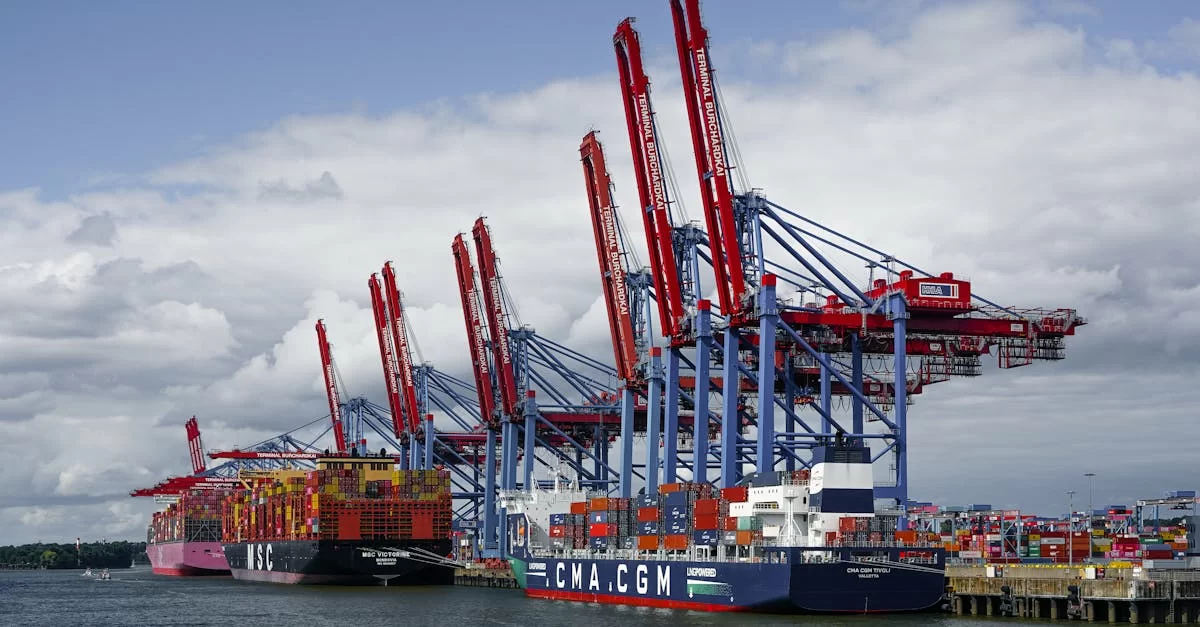
The essence of export tax rebates is that the state, in order to encourage exports, returns to enterprises the value-added tax and consumption tax already paid by the enterprises in the domestic. This not only reduces enterprise costs but also enhances the competitiveness of products in the international market. Simply put, it's "what is collected is what is returned," but there are many details to pay attention to in actual operations.
- Tax Rebate Subject: Must be a general taxpayer of value-added tax
- Tax Rebate Object: Exported goods that have cleared customs and departed the country
- Tax Rebate Conditions: Goods have received foreign exchange and completed export customs declaration
Differences in Tax Rebate Rates for Various Goods
Not all goods enjoy the same tax rebate rate. China divides exported goods into five categories:
- High value-added products: such as mechanical and electrical products, with tax rebate rates generally at 13%-16%
- Traditional labor-intensive products: such as textiles, with tax rebate rates mostly at 9%-13%
- Resource-based products: such as steel, with tax rebate rates generally at 5%-9%
- Restricted export products: such as rare metals, which may not be eligible for tax rebates
- Prohibited export products: do not enjoy any tax rebate policies
Mr. Gao clothing factory once experienced a three-month delay in tax rebates due to incorrectly declaring because she did not understand the classification standards. It is recommended that enterprises consult the latest version of the export tax rebate rate table before declaring, or seek advice from professional institutions.
Three Methods for Calculating Tax Rebate Amounts
The actual amount of tax rebate that can be obtained is mainly calculated in three ways:
- Exemption, Offset, and Rebate Method: Applicable to manufacturing enterprises, the calculation is relatively complex
- Exemption and Rebate Method: Applicable to foreign trade enterprises, calculated based on the amount of input invoices
- Exemption Method: Applicable to small-scale taxpayers, only exempts value-added tax on the export stage

Taking a batch of mechanical and electrical products with a value of 1 million yuan as an example, if the applicable tax rebate rate is 13%, and the enterprise can provide sufficient input invoices, the tax rebate will be approximately 115,000 yuan (1,000,000 × 13%/1.13). This is equivalent to directly increasing the enterprise's net profit.
Common Problems and Pitfall Avoidance Guide
In actual operations, enterprises often encounter the following problems:
- Incomplete documentation: missing customs declaration forms, value-added tax invoices, and other key materials
- Overdue declaration: must be declared from the date of customs declaration of goods exported to April 30 of the following year
- Incorrect exchange rate conversion: must be converted according to the exchange rate on the first working day of the month of the export date on the customs declaration form
- Non-compliant input invoices: invoice information must be completely consistent with the customs declaration form
Zhongmaoda experts suggest: Establish a dedicated tax rebate management process, and it is best to plan before goods are exported to avoid losing the big for the small.
Future Trends and Coping Strategies
With the changes in the international trade environment, export tax rebate policies are also constantly being adjusted. Recent trends show:
- Tax rebate rates for high-tech products may be further increased
- Tax rebate preferences for products that do not meet environmental protection standards may be canceled
- Tax rebate processes will be further digitized and facilitated
Foreign trade enterprises should:
- Regularly pay attention to policy changes
- Optimize product structure towards categories with higher tax rebate rates
- Consider leveraging professional institutions to improve tax rebate efficiency
Export tax rebates are not "pie in the sky," but legitimate rights that enterprises need to actively pursue. Do you have any other questions about tax rebate policies? You are welcome to leave a message in the comment section for discussion, or share your tax rebate experience. In the next issue, we will detail "How Cross-border E-commerce Enjoys Tax Rebate Benefits," please stay tuned!

Recent Comments (0) 0
Leave a Reply