"Mr. Liu cross-border e-commerce store made an extra 150,000 last year, and the secret was money proactively refunded by the tax bureau?" This is not a wealth management advertisement, but a "export tax rebate dividend" that many foreign trade companies overlook. This article will break down the correct way to leverage this "policy bonus," taking you from beginner to proficient in just 8 minutes.
I. Why Are Tax Rebates an Invisible Profit for Foreign Trade Professionals?

When Mr. Liu saw 270,000 yuan arrive in his tax rebate account for the first time, he finally understood what it meant to "understand finance and taxation when doing foreign trade." Export tax rebates are essentially the refund of Value-Added Tax and Consumption Tax already collected by the state, equivalent to putting back the costs that were originally supposed to be paid to the tax bureau into the company's pocket. Taking electronics exports as an example, a 13% rebate rate means that for every 1 million yuan of goods exported, 130,000 yuan in cash flow can be recovered.
II. Three Essential Conditions for Tax Rebate Application
Not all exports are eligible for tax rebates; the following conditions must be met:
- Condition 1: Goods have actually left the country (bonded warehouse storage does not count)
- Condition 2: The amount of foreign exchange received is consistent with the customs declaration form
- Condition 3: Input VAT invoices have been obtained and have not been deducted
Special Note: When cross-border e-commerce enterprises adopt the "invoice-free exemption" model, platform transaction data needs to be additionally prepared as supporting evidence.
III. The 5 Most Common Pitfalls for Beginners
- Pitfall 1: Bill-of-lading export (declaring with someone else's documents)
- Pitfall 2: Customs declaration product name does not match the invoice
- Pitfall 3: Exceeding the declaration period of April of the following year
- Pitfall 4: Ignoring warnings of abnormal exchange rate costs
- Pitfall 5: Failure to distinguish between taxable, tax-exempt, and tax-rebated goods
A certain garment factory once mistakenly used the codes for cotton-polyester blended fabric (13% rebate rate) and chemical fiber fabric (9% rebate rate), resulting in a single batch with 48,000 yuan less in tax rebates.
IV. Zhongmaoda Expert's Recommended 3-Step Operation Method
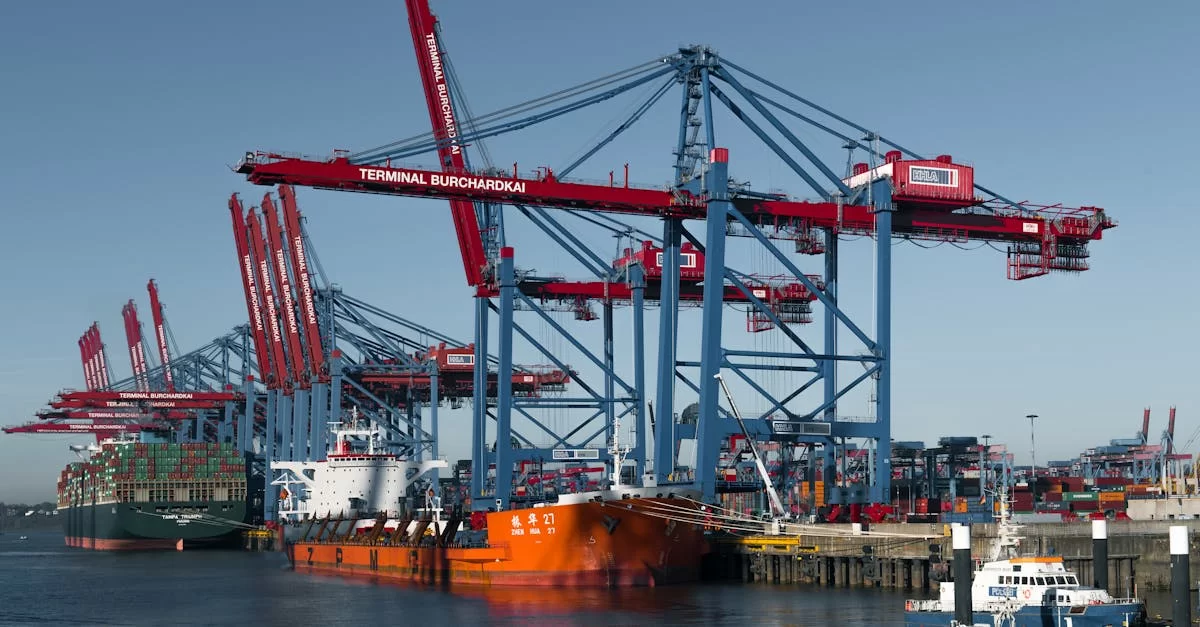
- Preparation Phase: Establish an export ledger, real-time recording of customs declaration forms, logistics documents, and foreign exchange receipts
- Matching Phase: Link input VAT invoices with "customs declaration numbers" monthly
- Declaration Phase: Submit online through the "exempt-offset-rebate" module of the electronic tax bureau
V. What to Do in These Special Situations?
Situation 1: Return of goods after export? Apply to the customs for a certificate of return of goods and tax payment, and make a reduction in the tax rebate declaration system.
Situation 2: Customer defaults on payment? Tax rebates can still be applied for by providing proof of compensation from export credit insurance.
Situation 3: Sample exported without foreign exchange received? Mark "sample" at the time of customs declaration and retain the signature record.
Is Your Tax Rebate Potential Being Underestimated?
According to data from the General Administration of Customs, the average tax rebate period for enterprises nationwide in 2022 has been compressed to 6 working days. However, 35% of small and micro enterprises still forgo applications due to "fear of trouble." You might want to check now:
1. Are all export customs declaration forms for the past 12 months complete?
2. Have the corresponding input VAT invoices been certified?
3. Has the financial system set up tax rebate accounting accounts?
For readers with strong initiative, feel free to share your practical questions about tax rebates in the comments section.

Recent Comments (0) 0
Leave a Reply