"Mr. Xue cross-border e-commerce company earned an extra 15% last year, and the secret was just a piece of paper?" This is a hot topic on a foreign trade forum. In fact, this "piece of paper" is the export tax rebate form. For freight forwarders and foreign trade enterprises, export tax rebates are like an unmined gold mine—yet 80% of practitioners are still using "alchemical methods."
I. The Essence of Export Tax Rebates: The Government's "Policy Red Packet"

When goods cross national borders, export tax rebates are essentially the government's refund of the value-added tax and consumption tax already collected during the commodity circulation phase to the enterprise. Taking the export of electronic products served by Zhongmaoda as an example:
- Domestic purchase with tax price of 1.13 million RMB (tax rate 13%)
- Actual cost can be broken down into 1 million RMB for goods + 130,000 RMB VAT
- After export, 130,000 RMB in tax is refunded, directly increasing the profit margin by 11.5%
Mr. Xue, due to his lack of understanding of the policies, overpaid taxes by more than 2 million RMB over three years. It was only after the agency company helped him sort out the process that he discovered that simple differences in how the customs declaration form was filled out could lead to a 5% difference in the tax rebate rate.
II. The Three Core Values of Agency Services
The value of freight forwarding in the tax rebate process goes far beyond "running errands and handling procedures":
- Policy Decoder: Different HS codes correspond to different tax rebate rates (e.g., textiles range from 5% to 13%)
- Risk Firewall: Avoid common audit risks such as "goods and documents do not match" and "exceeding the time limit for inquiries."
- Process Accelerator: The timeliness of electronic port data matching directly affects the speed of capital recovery.
A case study from an agency company shows that an optimized tax rebate process can shorten the average 45-day cycle to 21 days, equivalent to an additional 1.8% annualized capital return for the enterprise.
III. These "Pits" Are Devouring Your Profits
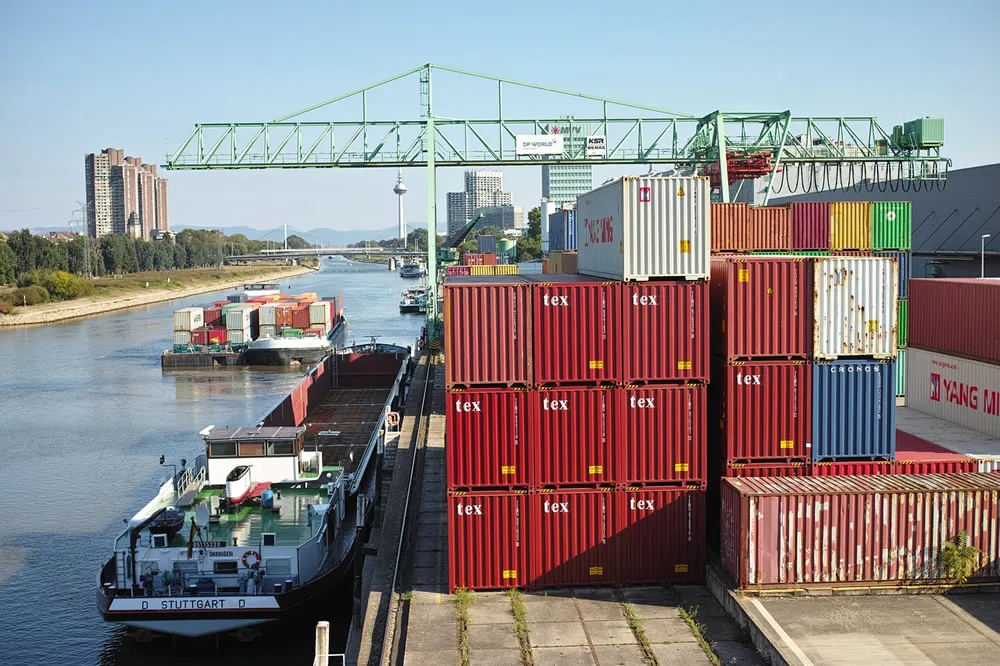
In practice, we find that 90% of enterprises have the following problems:
- Declaring with FOB price but purchasing with CIF price (loss of 3-7% tax rebate)
- Cross-border e-commerce B2B mistakenly using retail mode for declaration (loss of 13% tax rebate rate)
- Ignoring compliant operations for the allocation of technical service fees (may trigger anti-tax avoidance investigations)
Special reminder: The "advance ruling" mechanism newly introduced by customs in 2024 requires pre-filing for special transaction methods (such as related-party transactions) six months in advance, otherwise it may affect tax rebate qualifications.
IV. Build Your Tax Rebate Moat in Three Steps
It is recommended that enterprises immediately take the following actions:
- Health Diagnosis: Compare the ratio of "tax rebate amount/export amount" with industry benchmarks.
- War Game Simulation: Simulate the common 20 questions in tax audits (e.g., whether the transportation expense voucher chain is complete).
- Dynamic Tracking: Subscribe to the General Administration of Customs' tariff classification change notifications (affecting the codes of 30% of goods annually).

Recent Comments (0) 0
Leave a Reply