In the wave of economic globalization, device export offers enterprises opportunities to expand into overseas markets and enhance competitiveness. However, this process is not always smooth sailing, and numerous details require meticulous control by enterprises. So, what exactly needs attention when exporting devices? Let's delve into it together.
Understanding Target Market Regulations and Standards
Different countries and regions have unique regulations and standards for imported equipment. For example, the EU's CE certification is a pass for products entering the European market, covering aspects such as safety, health, and environmental protection. If your devices are to be sold in the EU, you must ensure they comply with the relevant CE certification standards. The United States has its own set of regulations, such as UL certification. Take Mr. Mo company as an example. He planned to export a batch of electrical equipment to Europe but failed to understand the local specific standards for electrical safety in advance. As a result, his goods were detained upon arrival at the destination port, causing considerable financial losses and time delays. Therefore, before exporting, enterprises must thoroughly research the regulations and standards of their target markets to ensure their devices are compliant.
Selecting Appropriate Transportation Methods
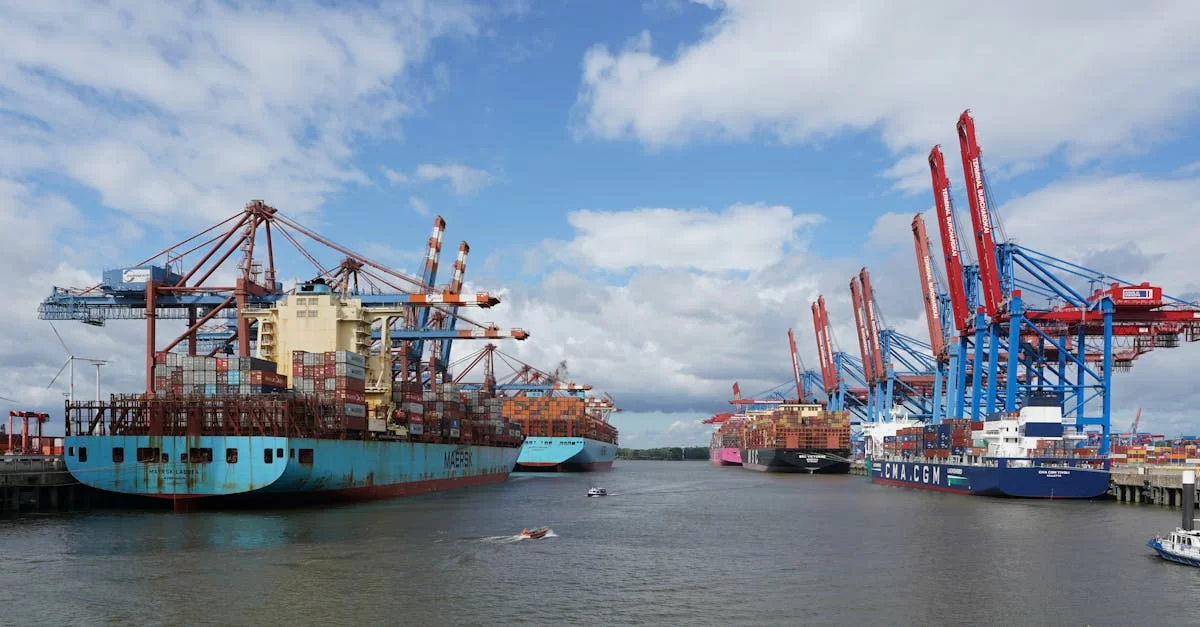
Transportation is crucial for device exports. Common transportation methods include sea freight, air freight, and land freight. Sea freight has relatively low costs and is suitable for large-volume, heavy equipment, but the transit time is longer. Air freight is fast and can significantly shorten the transportation cycle, but the cost is higher, making it suitable for urgent, high-value, or lighter equipment. Land freight is more commonly used in border trade. Mr. Mo exported precision instruments to a Southeast Asian country. As the instruments were urgently needed for use, she chose air freight. Although the cost increased, it met the customer's needs in a timely manner and earned her a good reputation. Enterprises should consider the characteristics of the equipment, delivery time, and budget to comprehensively choose the most suitable transportation method.
Ensuring Proper Packaging and Protection for Devices
During long-distance transportation, devices may encounter various bumps, collisions, and harsh environmental conditions. Therefore, good packaging and protection are key to ensuring devices arrive safely at their destination. Appropriate packaging materials should be selected based on the shape, size, weight, and characteristics of the devices. Vulnerable parts require special reinforcement and protection. For instance, when exporting large machine tools, critical parts of the machine tools should be wrapped with soft materials like foam and sponge, then placed in custom-made wooden crates, and cushioned with filler materials to prevent damage during transit.
Focusing on Device Installation and After-Sales Service
Many exported devices require professional installation and commissioning to ensure their normal operation. Enterprises should plan their installation and commissioning teams in advance or collaborate with qualified local service providers. In addition, comprehensive after-sales service is indispensable. Promptly responding to customer after-sales needs can enhance customer satisfaction and brand image. If an exported device malfunctions, the enterprise should quickly arrange for technical personnel to provide remote guidance or on-site repairs to ensure the normal use of the device.
Device export presents both opportunities and challenges. Only by meticulously attending to aspects such as regulations and standards, transportation, packaging, and after-sales service can enterprises gain a firm foothold in overseas markets and achieve sustainable development. We hope that all enterprises will be fully prepared for their device export journeys and successfully embark on a new chapter in the international market.

Recent Comments (0) 0
Leave a Reply