When Mr. Cong first sent 200 kilograms of Biluochun tea to Germany, he thought that good quality tea alone would open up the market. However, three months later, the lesson of having the entire batch returned due to excessive pesticide residues made him realize: tea export is a skilled job, and even more so, a strategic game. This article will reveal agency techniques summarized from Zhongmaoda's 16 years of practical experience, helping you avoid pitfalls that 90% of beginners encounter.
Product Selection: Not All Teas Are Suitable for Export
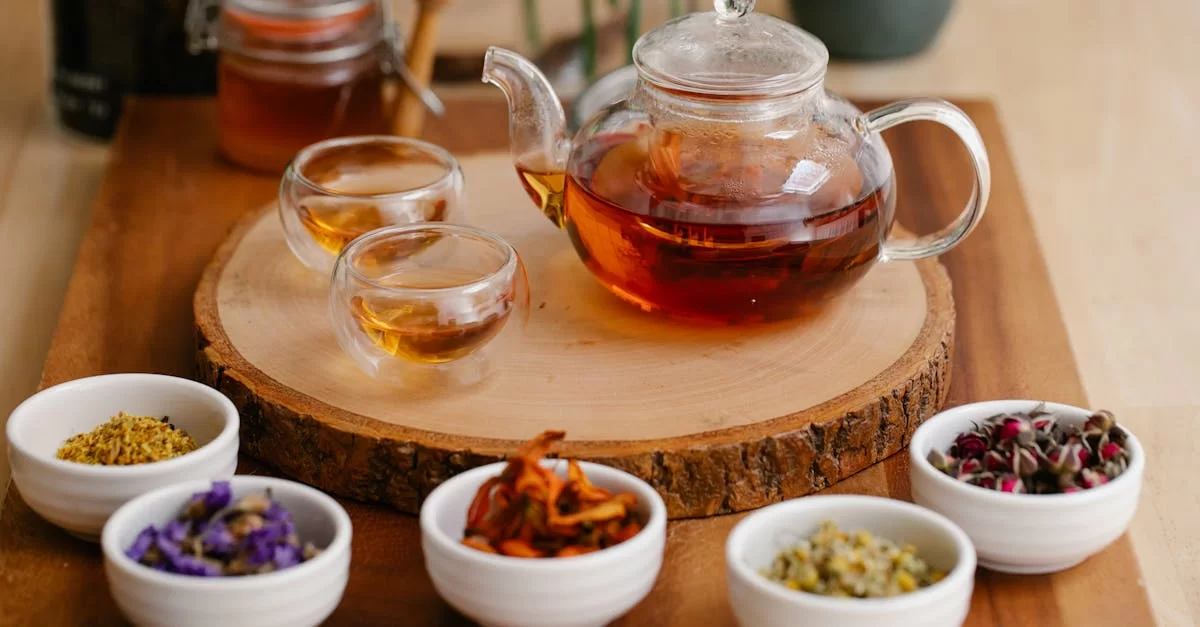
Mr. Cong once brokered a high-mountain oolong tea that had won numerous awards domestically, but European and American clients reported it was "too strong in taste." A survey revealed: preferences for tea liquor concentration and aroma types can differ by up to 47% across various markets (Zhongmaoda 2023 export data). It is recommended to prioritize:
- EU Market: Lightly roasted oolong tea with 30-50% fermentation, organic certification is a mandatory threshold.
- Middle East Market: High-aroma black tea, the proportion of sugar and mint added needs to be tested in advance.
- Southeast Asian Market: For ripe Pu-erh tea, aging time is recommended to be controlled within a 5-8 year range.
Compliance: More Important Than Taste
In 2022, Japan suddenly adjusted the fipronil residue standard from 0.01ppm to 0.001ppm, causing heavy losses for many agency businesses. Zhongmaoda recommends establishing a three-tier testing mechanism:
- Raw Material End: Require tea gardens to provide pesticide application records from 45 days before harvest.
- Processing End: Self-inspection items must include 20 types of pesticide residues specifically scrutinized by the importing country.
- Before Export: Reserve a 10% buffer to cope with sudden re-inspections.
Logistics: The Overlooked Cost Black Hole
Mr. Chen once chose cheap sea freight, which resulted in 800,000 yuan worth of Shifeng Longjing tea being stored in a high-temperature cabin for 28 days, degrading its quality upon arrival at the port. Experience shows: for every 1% reduction in transport cost, quality risk increases by 3.2 times. Key decision points:
- Green tea/White tea: Must use vacuum nitrogen-filled + constant temperature containers (15-18℃).
- Dark tea/Pu-erh tea: Dedicated containers with humidity controlled at 55%-60% are recommended.
- Sensitive regions: Prioritize secondary packaging at transit ports like Dubai/Singapore.
Cultural Adaptation: Invisible Competitiveness
When Zhongmaoda designed "afternoon tea specific packaging" for a British client, they deliberately changed the net content from 100g to 2.8oz (approx. 80g), as this is the standard serving size for local tea parties. Similar details include:
- Japan: Tea canister height needs to be adapted for convenience store shelves (≤180mm).
- Germany: Organic certification mark must be 20% larger than other logos.
- US: FDA registration number must be printed in a scannable area.
Where Is Your Tea Export Getting Stuck?
According to customs statistics, 73% of tea export agency disputes in 2023 originated from information asymmetry. You might want to check: What standards has your target market recently updated? What changes have occurred in your competitors' customs declaration strategies? Feel free to share your practical challenges in the comment section; Zhongmaoda experts will select typical questions for in-depth analysis.

Recent Comments (0) 0
Leave a Reply