In today's global economic wave, export business has become increasingly common. Many friends engaged in foreign trade may have a question in their minds: can exports be tax rebated? Today, let's have a good chat about this topic that everyone cares about, so that you can have a clear understanding of export tax rebates.
I. What is an Export Tax Rebate?
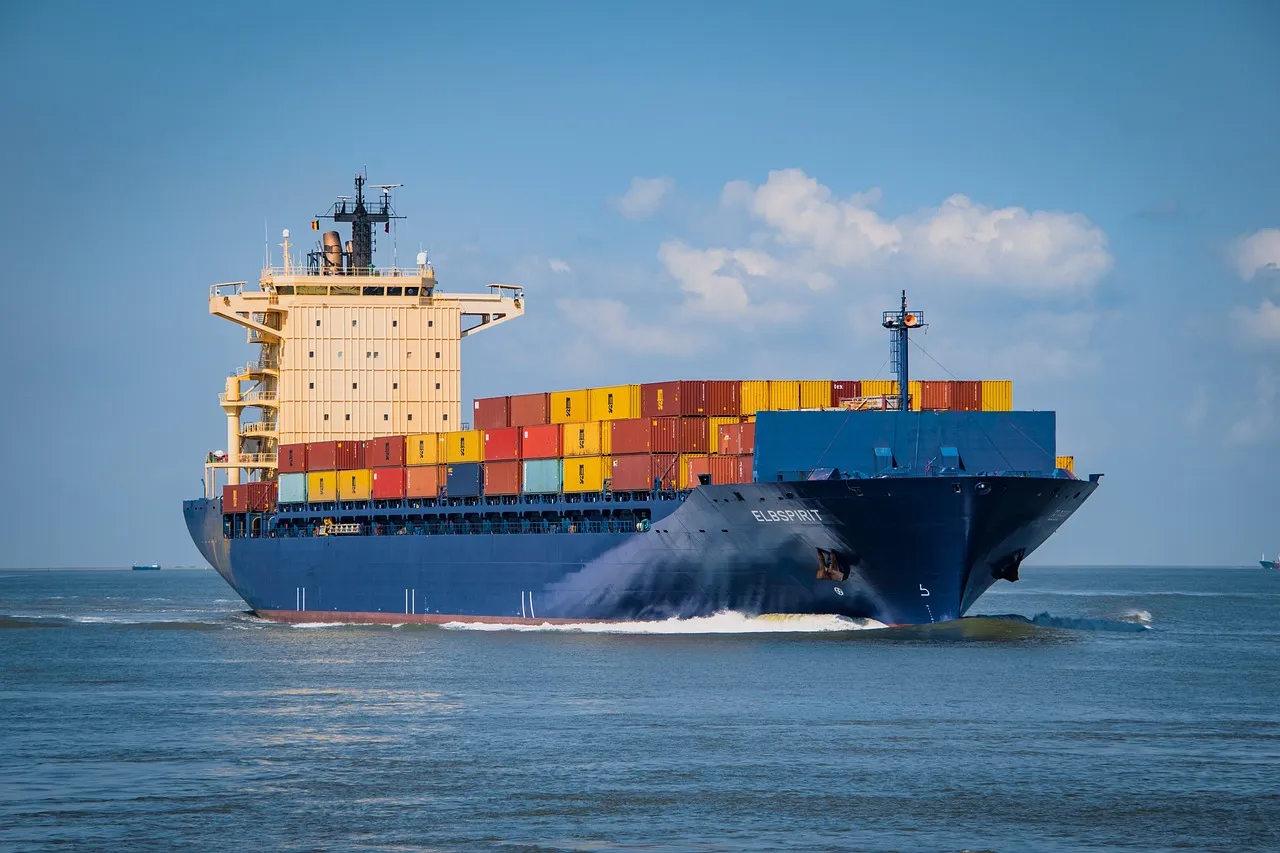
Export tax rebate, simply put, is a policy by which the state, in order to encourage domestic product exports and enhance competitiveness in the international market, refunds the value-added tax, consumption tax, and other taxes actually paid in the domestic production and circulation stages for goods declared for export. This is not a small sum! For export enterprises, it is a real preferential benefit! For example, enterprises like Zhongmaoda, if engaged in export business that meets the regulations, may enjoy the benefits brought by this policy.
II. What Conditions Must Be Met to Apply for an Export Tax Rebate?
- First, the goods must be within the scope of value-added tax and consumption tax collection. This means that the goods you export must be subject to these two types of taxes domestically.
- Second, the goods must be declared for customs clearance and exported out of the country. That is to say, the goods must physically leave our country's customs territory and be transported abroad for sale.
- Third, export sales must be processed in the financial accounts. Enterprises must accurately record this business in their financial accounts in accordance with the relevant regulations for export sales.
- Finally, and crucially, the goods must have received foreign exchange and been verified. Generally, it is necessary to ensure that the foreign exchange corresponding to the exported goods has been received and has undergone verification procedures by the relevant departments.
Only by meeting all of the above conditions simultaneously can enterprises be eligible to apply for export tax rebates.
III. What is the Process for Export Tax Rebates?
Generally speaking, the process for export tax rebates is as follows:
- Enterprises must first obtain the relevant import and export operating rights, which is the foundation for conducting export business and subsequent rebate applications.
- Then, after the goods are declared for export, relevant documents should be collected and organized in a timely manner, such as customs declarations, export sales invoices, purchase invoices, etc. These documents are important basis for applying for rebates.
- Next, within the stipulated time, accurate declaration data should be entered through the relevant tax rebate declaration system, and the tax rebate application should be submitted.
- Finally, the tax authorities will review the application and related documents submitted by the enterprise. If the review is approved, the tax rebate will be transferred to the enterprise's designated account.
IV. How Much Can Be Rebated for Export Tax?
The amount of export tax rebate is not arbitrarily determined; it is calculated based on different goods and different tax rebate rates. The tax rebate rates will be adjusted according to national policies, industrial development, and other factors. Generally, it will refer to the amount of value-added tax, consumption tax, and other taxes actually paid in the domestic production stage of the goods, and the rebate amount will be determined according to a certain proportion. For example, if the tax rebate rate for a certain type of goods is 13%, and the export sales amount of the goods is 1 million yuan (excluding tax), then the theoretically rebated amount would be 1 million yuan × 13% = 130,000 yuan. Of course, the specific calculation must be combined with the actual situation and relevant regulations.
V. What are the Consequences of Not Meeting Conditions or Non-compliant Operations?
If an enterprise fails to meet the conditions for export tax rebates but forcibly applies, or commits non-compliant operations during the application process, such as false reporting of exports or forging documents, then it will be troublesome! Once discovered by the tax authorities, not only will the tax rebates already received be recovered, but the enterprise may also be fined, and in severe cases, legal responsibility may be pursued for the relevant personnel. Therefore, enterprises must strictly follow the regulations to handle export tax rebate business and must not harbor any (hope for luck).
In summary, exports can be tax rebated, but a series of conditions must be met, and the application must be processed according to the stipulated procedures. It is hoped that through today's introduction, you will have a deeper understanding of export tax rebates. If you have any other questions, you may want to communicate more with friends engaged in foreign trade around you, or consult relevant professional institutions. After all, understanding and reasonably utilizing the export tax rebate policy is a major event for enterprises engaged in export business!

Recent Comments (0) 0
Leave a Reply