Working overtime late into the night, Mr. Fei opened her refrigerator. The bag of frozen peas printed with a Nordic flair suddenly made her pause – how do these small particles, traveling over 8,000 kilometers, retain their emerald-like color and sweet freshness? Behind this lies the blue ocean of imported food agency, with an annual growth of 23%.
Why Have Imported Peas Become the New Darling of Agencies?
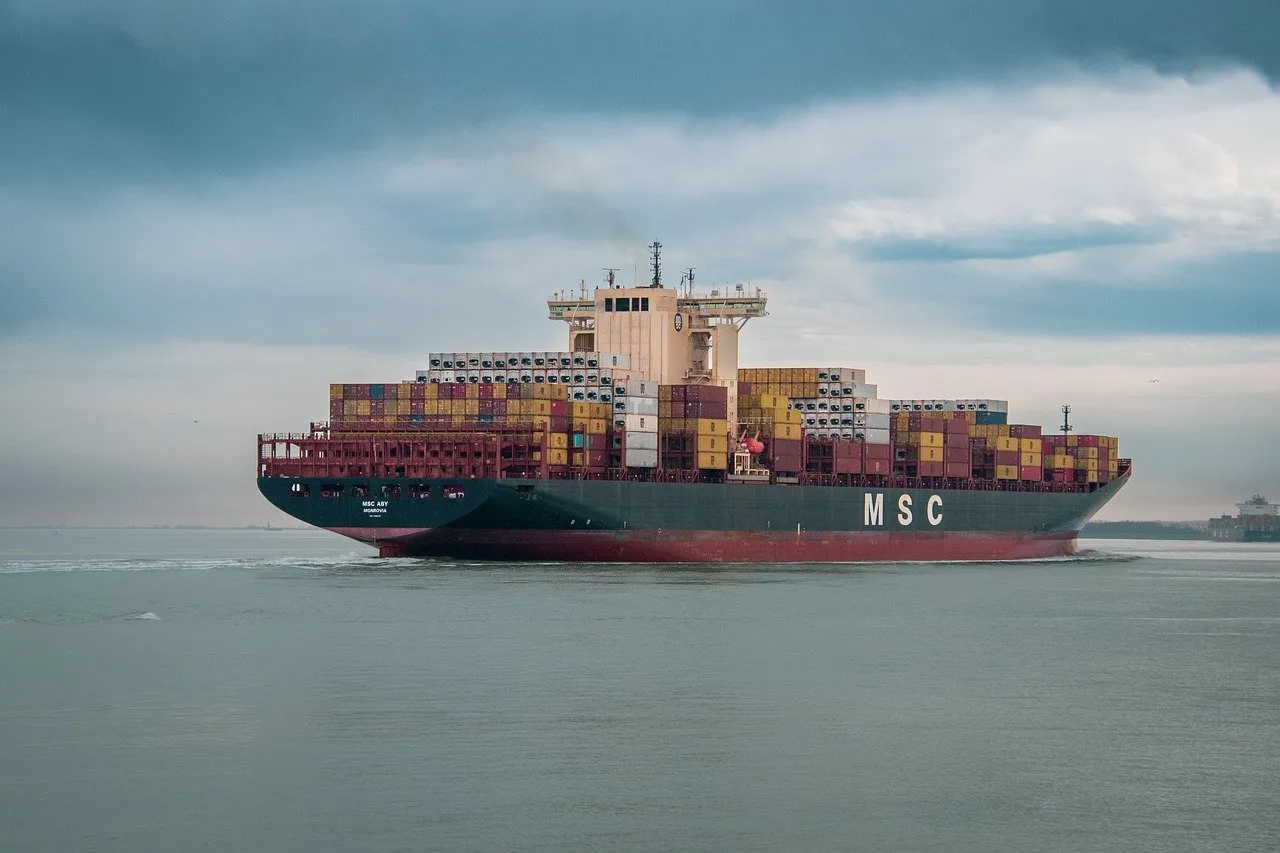
Amidst the healthy eating trend, European peas have rapidly opened up the Chinese market with advantages such as being non-GMO and having low pesticide residues. Mr. Fei agency for a Danish pea brand covered 2,000 supermarkets in East China in just 18 months: "Domestic consumers are willing to pay a premium of 5 yuan more per kilogram, and the key is to establish a complete cold chain moat."
- Quality Difference: Under EU standards, pea sweetness is stable at 12-15 degrees, far exceeding ordinary domestic varieties.
- Seasonal Complementarity: Production areas in the Northern Hemisphere concentrate their listings from May to September, perfectly aligning with China's peak stocking period for the Spring Festival.
- Processing Advantage: Nordic companies' proprietary "instant freshness lock" technology results in less than 5% nutrient loss.
The Three Mandatory Courses for Agents
The supply chain director of Zhongmaoda revealed that successful agents often build barriers in three dimensions:
1. Breaking Through the Certification Maze
It requires handling 12 documents simultaneously, including certificates of origin, phytosanitary certificates, and Chinese label filings. A single customs clearance delay could lead to a loss of 30% of the entire container's value.
2. The Cold Chain Cost Game
Constant temperature transportation at -20℃ costs 2.3 times that of ordinary containers, but switching to a -12℃ solution would shorten the product's shelf life by 40%.
3. Precise Channel Matching
High-end supermarkets and community group buying have vastly different packaging size requirements; the former prefers exquisite 300g packs, while the latter favors 5kg catering-specific packs.
The Opportunity Window for the Next Three Years
With the deepening of the RCEP agreement, emerging middle classes in Southeast Asia are beginning to favor European agricultural products re-exported from China. An agent successfully sold pea products to high-end supermarkets in Bangkok with a 15% premium through TikTok live streaming. This suggests to us: cross-border agency is transforming from one-way import to global resource allocation.
When you eat those firm Canadian peas at a hot pot restaurant, you might ponder: where will the next wave of food agency opportunities lie in an unassuming category? Welcome to share your observations in the comment section.

Recent Comments (0) 0
Leave a Reply