Mr. Zhuang recently ordered a batch of equipment from overseas. He thought hiring an agent company would make it easy, but he was overwhelmed by customs declarations, tax numbers, and quarantine certificates. "If only there was a flowchart to explain it clearly!" he complained. In reality, import agency is far more complicated than a single picture—today, we will break down this seemingly mysterious process in the most intuitive way.
Three Stages of Import Agency Process
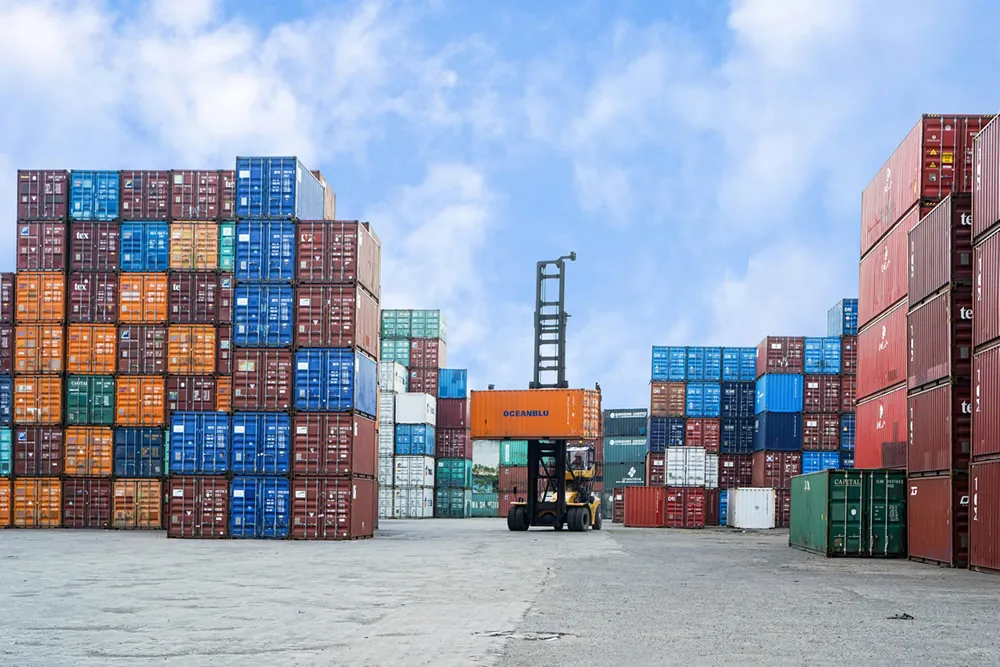
If we compare import agency to a relay race, each segment requires precise coordination from professional participants:
- Start Phase: Preliminary Preparation This includes supplier qualification review, trade term confirmation (remember the difference between CIF and FOB?), import license application, and more. Mr. Zhuang once had her entire shipment detained at the port for 15 days due to failure to obtain 3C certification.
- Sprint Phase: Logistics and Customs Clearance From booking and shipment to customs declaration and inspection, this phase is the ultimate test of an agency company's emergency response capabilities. Last year, a batch of medical devices was almost classified as contraband by customs due to inaccurate product name declarations.
- Handover Phase: Domestic Distribution This includes settlement of taxes and fees, warehousing, and last-mile delivery. Zhongmaoda's case library shows that 30% of customer complaints occur during the final delivery stage.
Flowchart Deconstruction: 5 Key Nodes
While we cannot embed images in text, we can restore the core nodes through scenario-based descriptions:
- Node 1: When signing the contract, pay attention to adding a "force majeure clause".
- Node 2: Before shipment, ensure that the (marking) complies with China's GB standards.
- Node 3: Complete customs declaration materials must be submitted within 48 hours after arrival at the port.
- Node 4: The quarantine process may require the provision of a certificate of origin and health.
- Node 5: The time limit for issuing a special VAT invoice is generally 7 working days.
Avoid These "Invisible Traps"
A recent industry survey revealed that 68% of import delays stem from the following details:
- Incorrect HS code declaration (over 2,000 customs classification dispute cases annually)
- Wooden packaging not fumigated (treatment cost per container can reach tens of thousands)
- No protection mechanism for exchange rate fluctuations (Eurozone clients lost over a million last year due to this)
Your Imports Can Be Smarter
Next time you see an "import agent flowchart," consider: how much professional accumulation is needed behind this chart? Zhongmaoda suggests that companies establish a four-dimensional evaluation system: agent qualifications, case experience, emergency response, and cost transparency. Now, use this standard to re-examine your supply chain partners!

Recent Comments (0) 0
Leave a Reply