As a special train loaded with Southeast Asian fruits slowly pulls into the Fangchenggang platform, Mr. Sheng company is distributing this batch of goods nationwide through railway agency services. Behind this seemingly ordinary scene lies the most potential logistics solution in China-ASEAN trade—Fangchenggang railway import agency services, which are quietly reshaping the cross-border logistics landscape dominated by traditional sea freight.
Why Choose Railway Import Agency?
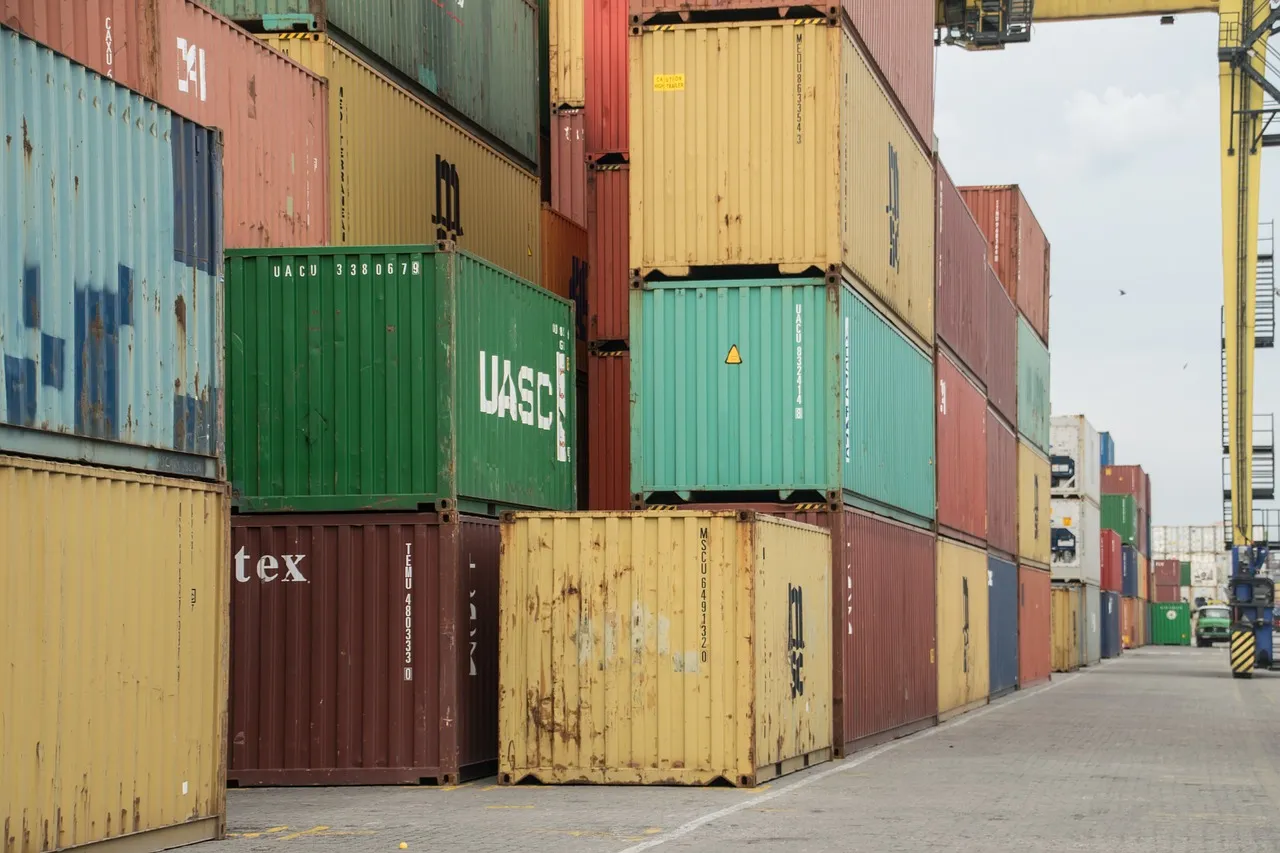
Compared to traditional sea freight, railway transportation via Fangchenggang offers three core advantages:
- 40% increase in timeliness: The entire China-Vietnam cross-border railway journey only takes 2-3 days, saving 7-10 days compared to sea freight.
- Cost optimization: The unit transport cost for LCL cargo is reduced by 65% compared to air freight.
- Policy benefits: Enjoy special subsidies for the New International Land-Sea Trade Corridor, with a maximum reduction of 2000 yuan per container.
Mr. Sheng cross-border e-commerce team is a beneficiary: "By importing Vietnamese coffee beans through railway agents, our inventory turnover cycle has been shortened from 35 days to 21 days, significantly improving capital utilization."
Fangchenggang's Unique Hub Value
As China's only gateway connecting to ASEAN by both sea and land, Fangchenggang boasts an irreplaceable geographical advantage:
- An average of 20 cross-border freight trains daily directly reach major ASEAN cities such as Hanoi and Ho Chi Minh City.
- Dedicated railway lines in the port area connect directly to the docks, achieving seamless "shipside to train" transfers.
- Customs special supervision zones provide the convenience of "advance declaration and direct pickup upon arrival."
The customs director of Zhongmaoda revealed: "In 2023, the import of ASEAN agricultural products via Fangchenggang railway increased by 217% year-on-year, with cold chain goods accounting for 38%, and this growth curve continues to rise."
Practical Guide to Agency Services
To efficiently utilize this service, three key aspects need attention:
- Qualification preparation: Automatic import licenses and quarantine approval documents need to be processed 15 working days in advance.
- Transportation plan: Choose temperature-controlled/standard containers according to cargo characteristics, and it is recommended to purchase all-risk insurance.
- Customs clearance strategy: Utilizing the "two-step declaration" model can compress port dwell time to within 6 hours.
It is worth noting that railway transportation has stricter packaging requirements than sea freight; fragile items need suspended buffer packaging, and wooden packaging must be fumigated.
Industry Transformation: The Future is Now
With the full opening of the China-Laos-Thailand railway, Fangchenggang is upgrading to a cross-modal smart logistics hub. The newly commissioned smart yard system can achieve:
- Blockchain-based cargo tracking and evidence preservation
- Remote monitoring of temperature-controlled containers
- Intelligent pre-calculation of customs duties
This is not just an iteration of transportation methods, but also an innovation in supply chain management thinking. By the time you finish reading this article, another special train loaded with electronic components might be crossing the Beilun River Bridge. Are you ready to seize the business opportunities brought by this wave of "steel camel trains"? Feel free to share your cross-border logistics experience in the comments section.

Recent Comments (0) 0
Leave a Reply