"Why do goods purchased from overseas always get stuck in Hubei?" This is a common confusion for many foreign trade practitioners. With the rapid development of the Hubei Free Trade Zone, the import cargo agency industry is becoming a crucial link connecting the global supply chain. But do you truly understand the operational logic of this industry? Today, we will unveil the mystery of Hubei import cargo agency.
Why Choose Hubei as an Import Hub?
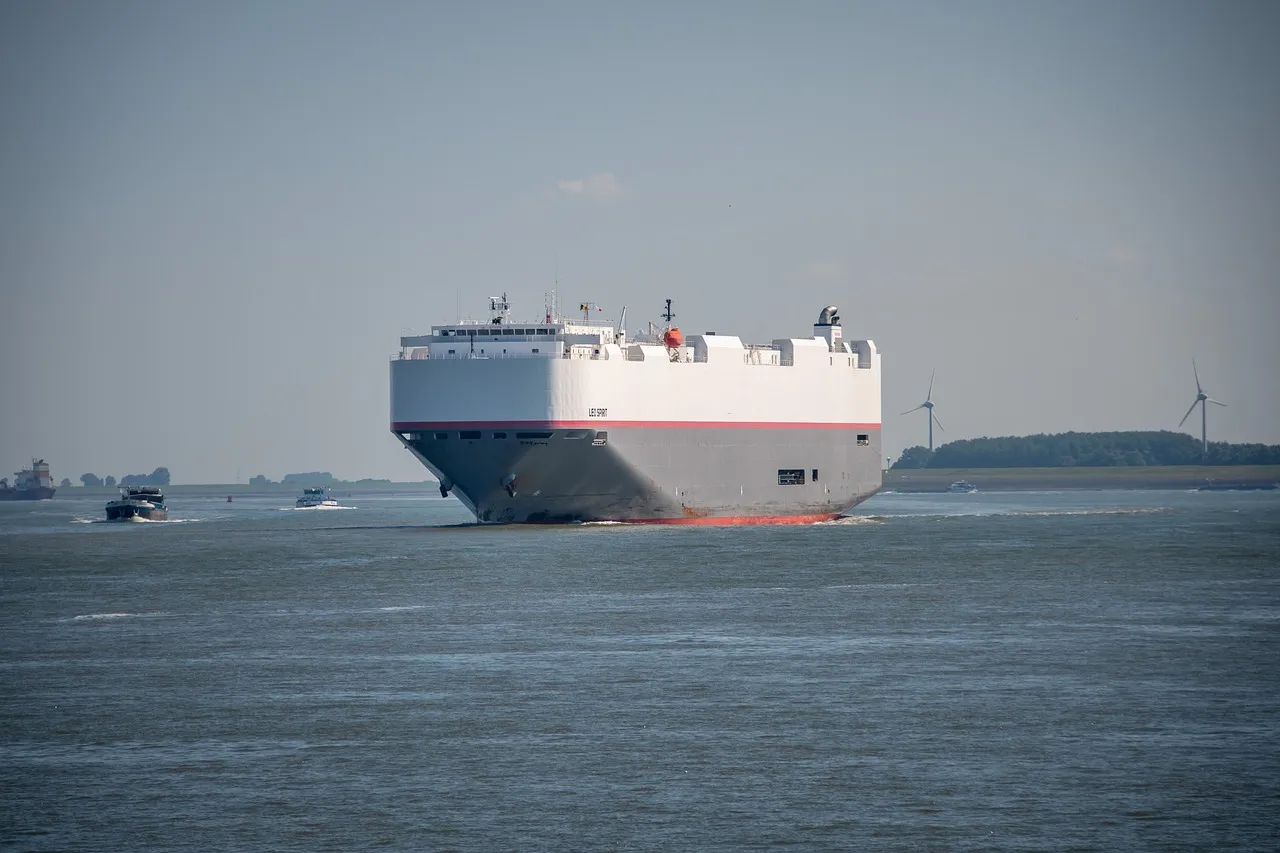
Located in the heart of China, Hubei boasts unique geographical advantages. The international cargo route network of Wuhan Tianhe International Airport covers major global economies, and Yangluo Port is the largest container hub port in the upper and middle reaches of the Yangtze River. The locational advantage of "Nine Provinces' Thoroughfare" makes Hubei an ideal choice for radiating the national market.
- Comprehensive transportation network: High-speed rail reaches the Yangtze River Delta, Pearl River Delta, and Beijing-Tianjin-Hebei regions within 4 hours.
- Leading customs clearance efficiency: Cross-border e-commerce "Single Window" clearance time reduced to 3 hours.
- Warehousing cost advantage: 30%-40% lower than coastal cities.
Core Services of Import Cargo Agency
Professional import agency services go far beyond simple customs declaration and inspection. Taking Zhongmaoda as an example, its service chain includes:
- Qualification and credit assessment of overseas suppliers.
- Optimization of international transportation plans (air/sea/China-Europe freight trains).
- Application for import permits (e.g., medical device registration certificate).
- Chinese label review and production.
- Bonded warehousing and distribution.
Mr. Xie, head of a German machinery and equipment agency, shared: "Through professional agency services, our customs clearance time was reduced from 7 days to 48 hours, and port detention fees decreased by 65%."
Industry Pain Points and Solutions
In practice, import agencies face numerous challenges:
- Frequent changes in tax rates: The 2023 HS code adjustment affected over 3,000 commodities.
- New inspection and quarantine regulations: For example, imported cosmetics require a full ingredient safety assessment.
- Uncontrollable logistics factors: International shipping prices have fluctuated by up to 200%.
Mr. Xie cross-border e-commerce team once had a batch of health supplements returned due to a lack of understanding of new regulations. Later, by establishing a **"pre-inspection and pre-review" mechanism**, compliance risks were reduced by 90%.
Future Trend: Digital Agency Services
Intelligentization is reshaping the import agency industry:
- Blockchain traceability systems enable full-process visualization.
- AI intelligent classification achieves an accuracy rate of 98.7%.
- Big data predicts customs inspection probability.
A maternal and infant brand, through its digital system, achieved full-process tracking from order placement to warehousing, increasing inventory turnover by 40%.
Does Your Import Business Need an Upgrade?
In this era of global supply chain restructuring, choosing a professional import cargo agency is choosing a vantage point for business competition. Consider:
- Is there room for optimization in your customs clearance costs?
- Are you fully leveraging the policy dividends of the Free Trade Zone?
- How to prevent the impact of the upcoming EU CBAM carbon border adjustment mechanism?
Welcome to share your import business concerns in the comment section, or send a private message to obtain the industry white paper. Next issue, we will elaborate on "Tariff Planning Techniques under the RCEP Framework." Please stay tuned!

Recent Comments (0) 0
Leave a Reply