Hey, all you friends who want to venture into the foreign trade export field! Are you curious about the seemingly mysterious and opportunity-filled foreign trade export process? Today, let's take a detailed look at the complete foreign trade export process, so you can have a clear understanding and be ready to make a big splash in the international market!
I. Preliminary Preparation Stage

Market Research: This is the crucial first step. Mr. Hong once suffered a great loss by blindly entering a foreign market without adequate market research, only to find that his products were not popular at all. It is essential to thoroughly understand the target market's demand, competitive landscape, cultural customs, and relevant policies and regulations. Collect information through various channels, such as industry reports, online research, and participation in international exhibitions.
Product Selection: Choosing the right product is half the battle won. You should select suitable products based on your own strengths, market demand, and profit margins. At the same time, ensure that the products comply with the quality standards and certification requirements of the target market.
Finding Customers: You can utilize online platforms, such as Alibaba International Station, to post product information and attract potential customers. You can also participate in international exhibitions to communicate with customers face-to-face and establish connections. Mr. Hong, for example, met several major clients at an international exhibition, which opened up a new chapter in her foreign trade export business.
II. Negotiation and Signing Stage
After finding potential customers, you enter the negotiation phase. You need to communicate detailed product specifications, prices, delivery times, payment methods, and other terms with the customers. It is crucial to be clear and precise at this stage to avoid disputes later on. If negotiations are successful, you can then sign the contract. A contract is a legally binding document, so carefully review every clause to ensure that the rights and interests of both parties are protected.
III. Production and Stocking Stage
Once the contract is signed, you need to start production and stocking as agreed. Strictly control product quality and produce according to the specifications and standards required by the contract. At the same time, arrange the production schedule reasonably to ensure on-time delivery. If there are insufficient raw material supplies or problems arise in the production process, communicate and negotiate with the customer in a timely manner to seek a proper resolution.
IV. Customs Declaration and Shipment Stage
Customs Declaration: This is a very critical step in foreign trade export. Prepare all kinds of customs declaration documents, such as commercial invoices, packing lists, and customs declaration forms, to declare the relevant information of the exported goods to the customs. The customs will inspect the goods and release them only after confirming they are in order.
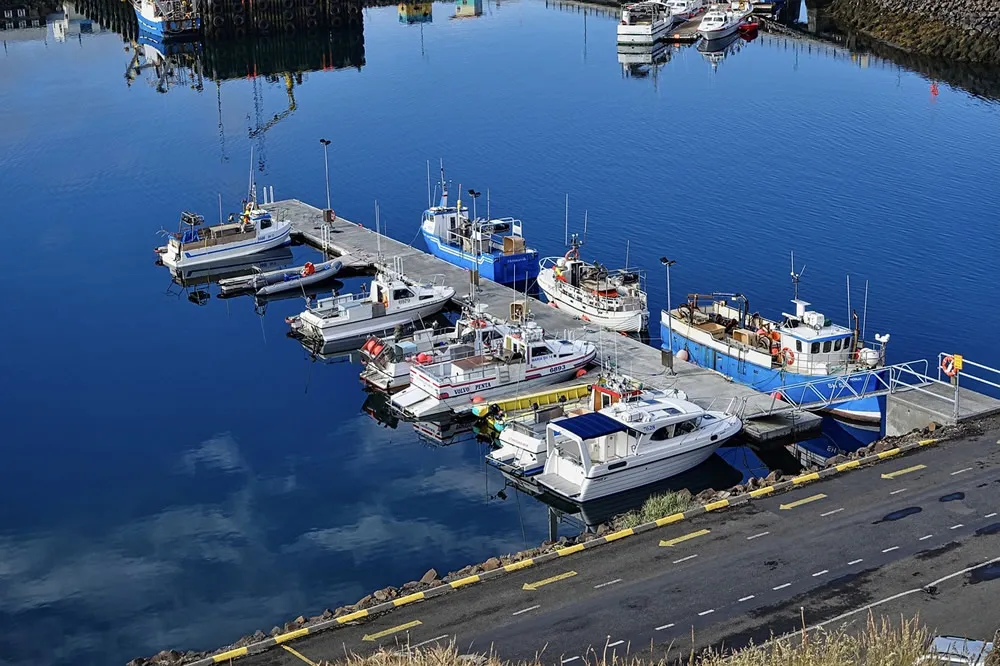
Booking and Shipment: Book suitable shipping space in advance according to the delivery date. Choose a reliable freight forwarding company to handle the transportation arrangements for the goods. After the goods are loaded onto the ship, obtain shipping documents such as the bill of lading in a timely manner.
V. Foreign Exchange Collection and Settlement Stage
After the goods are successfully shipped, you wait for the payment. Promptly urge the customer to make the payment according to the agreed payment method in the contract. After receiving the foreign exchange, conduct the settlement operation through the bank to exchange the foreign currency into RMB. During this process, pay attention to preventing exchange rate risks, and consider using some financial tools for hedging.
VI. After-Sales Service Stage
Don't think that everything is done once the goods are shipped; after-sales service is equally important. Follow up on the customer's usage situation in a timely manner and handle customer feedback and complaints. Good after-sales service not only maintains existing customer relationships but also has the potential to bring in new orders. Just like Mr. Hong, because of his excellent after-sales service, his customers introduced several new clients to him.
Alright, that's the complete foreign trade export process! We hope that after reading this, you will have a clearer understanding of foreign trade export and bravely take your first step to forge your own path in the international market! If you have any questions or want to share your experiences, feel free to leave a comment in the comment section!

Recent Comments (0) 0
Leave a Reply