Hey everyone looking to venture into foreign trade export! Have you ever yearned for the vast international market but felt completely bewildered by the procedures for handling foreign trade exports? Don't worry, today's article will be like a guiding light, clearly illuminating every crucial step in the foreign trade export process, allowing you to take confident and solid strides on this foreign trade path.
II. Main Section: A Comprehensive Analysis of Foreign Trade Export Procedures
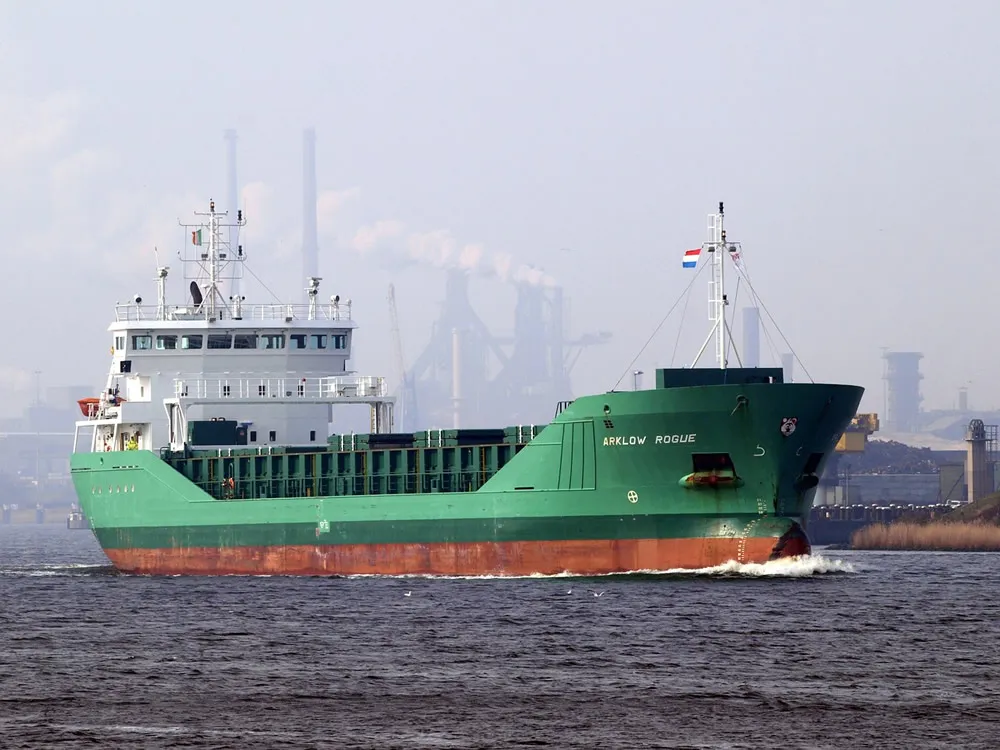
(I) Enterprise Qualification Preparation
First and foremost, to conduct foreign trade export business, enterprises must possess the necessary qualifications. Import and export operating rights are absolutely essential. Generally, enterprises need to register as foreign trade operators with the local commerce department, submitting relevant materials such as a copy of their business license and legal representative's identification. After review and approval, they will obtain the registration form. Additionally, depending on the export products, some specific industry qualification certificates may be required, for instance, export food products need a food production license and other relevant documents.
(II) Customs Registration
After obtaining import and export operating rights, the next step is to interact with customs. Enterprises need to register with customs, filling in basic enterprise information, business scope, customs declaration personnel information, and so on. Customs will review this information, and upon approval, will assign a customs code to the enterprise. This code is very important, as it will be used in subsequent import and export customs declaration and other operations. Furthermore, relevant seals, such as a special customs declaration seal, must also be prepared, as these are requirements for customs registration.
(III) Client Sourcing and Contract Signing
Once the qualifications are in order, it's time to start finding clients. You can expand your overseas client resources through various methods such as participating in international exhibitions, utilizing e-commerce platforms, and conducting online marketing. After finding suitable clients, you will need to sign a foreign trade export contract with them. The contract should clearly specify important terms such as product specifications, quantity, price, delivery date, and payment method. These terms must be carefully considered to avoid future disputes.
(IV) Goods Preparation and Inspection/Quarantine
Once the contract is signed, goods must be prepared according to its requirements. Ensure that the quality, quantity, and other aspects of the goods comply with the contract's stipulations. After the goods are ready, corresponding inspection and quarantine work must be carried out based on the category of export products and the requirements of the destination country. Some products may need to be sent to professional inspection and quarantine agencies for testing, and only after obtaining a qualified test report can they be exported. This step must not be taken lightly; otherwise, if goods are returned from abroad due to quality issues, the losses could be significant.
(V) Customs Declaration and Transportation
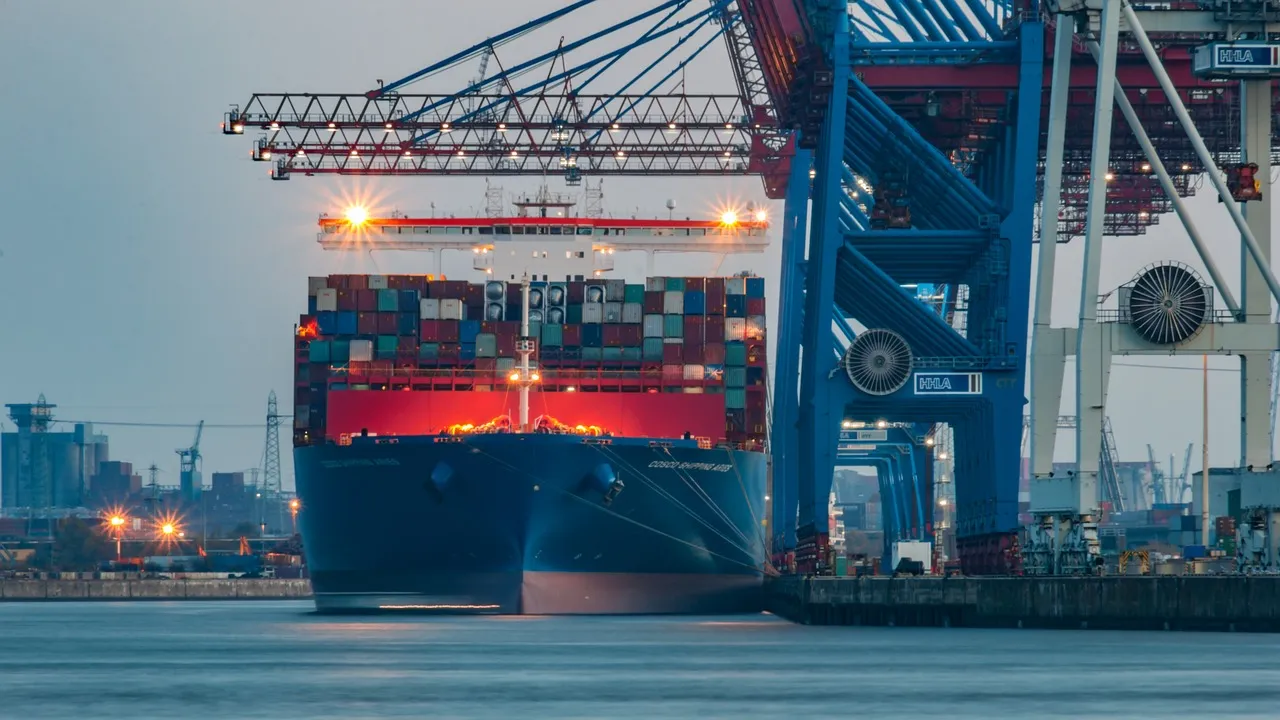
Once the goods are prepared and inspection/quarantine is passed, the next step is customs declaration. Enterprises need to prepare a series of documents required for customs declaration, such as customs declaration forms, invoices, packing lists, and contracts. This can be done through a professional customs broker, or if the enterprise has its own customs declarer, they can handle it themselves. After customs declaration is completed, arrangements for goods transportation will be made. Different transportation methods such as sea freight, air freight, and land freight can be chosen, with the most suitable method determined by comprehensively considering factors like delivery time and cost.
(VI) Foreign Exchange Collection and Tax Refunds
After the goods are successfully exported, it's time to collect foreign exchange. Payment for the goods from the overseas client must be received promptly according to the payment method stipulated in the contract. After receiving payment, do not forget another important step: export tax refunds. Enterprises should collect relevant tax refund vouchers, such as customs declaration forms and VAT invoices, and then apply for export tax refund procedures at the local tax department, which can save the enterprise considerable costs.
III. Conclusion: Encouraging Action
Alright, the general procedures for handling foreign trade exports are as described. While it may seem like many steps, as long as each step is meticulously followed, it's actually not that difficult. Dear friends, if you also harbor foreign trade dreams, then act quickly! Feel free to share your experiences or issues encountered during the foreign trade export process in the comments section, let's learn from each other and grow together on this foreign trade journey.

Recent Comments (0) 0
Leave a Reply