In the ever-changing foreign trade market, for many foreign trade enterprises, export tax rebates are like a magical key that can open the door to profit growth. It not only concerns the company's cash flow but is also closely linked to its competitiveness in the international market. Today, let us delve into export tax rebates for foreign trade enterprises.
What are Export Tax Rebates?
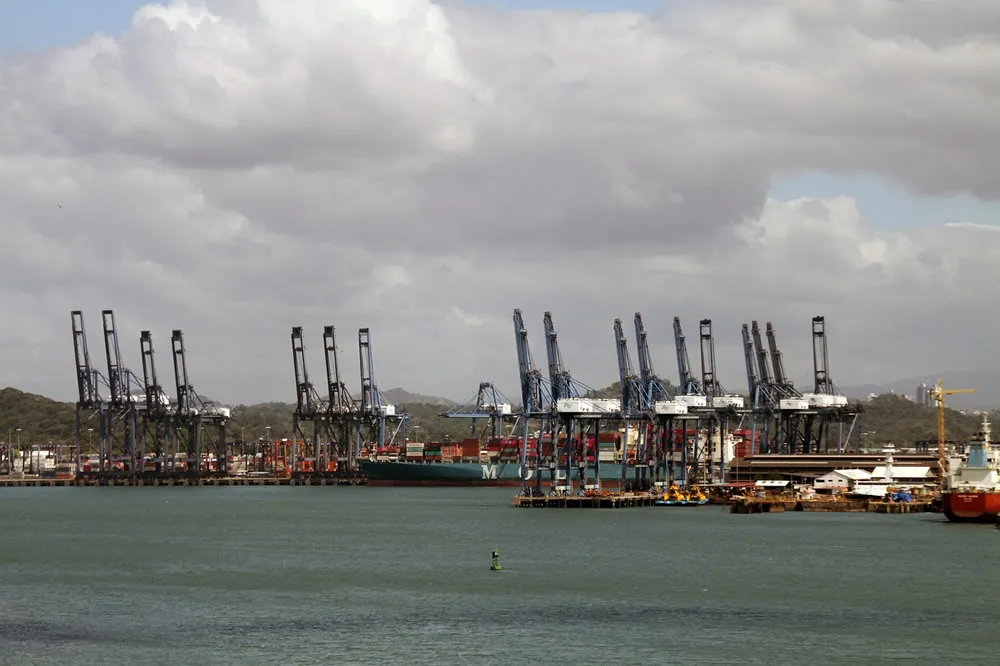
Export tax rebates, simply put, are the refund of Value-Added Tax and Consumption Tax levied on goods declared for export, which have been paid in various domestic production and circulation links according to tax laws, in order to enhance the competitiveness of export goods. For example, if Mr. Han foreign trade enterprise produces a batch of clothing for export, and these clothes have already paid relevant taxes and fees during domestic production and transportation, when the clothes are exported, the state will refund these taxes and fees to the enterprise according to regulations. This reduces the enterprise's costs and gives it a more advantageous price in the international market.
The Importance of Export Tax Rebates
For foreign trade enterprises, export tax rebates are of vital importance. Firstly, they directly reduce the enterprise's operating costs. Taking Mr. Han enterprise as an example, through export tax rebates, the company can obtain a considerable cash inflow, which can be invested in new product research and development, or expanding production scale. Secondly, export tax rebates enhance the enterprise's price competitiveness. In the international market, price is an important factor affecting product sales. With export tax rebates, enterprises can appropriately reduce product prices, thereby attracting more overseas customers and increasing market share.
Export Tax Rebate Process and Key Points
- Qualification Approval: Enterprises must first apply for export tax rebate qualification at the local tax authorities within the prescribed time limit, submitting relevant documents such as business licenses and foreign trade operator registration forms. Only after completing the qualification approval can they be eligible to apply for export tax rebates.
- Declaration Preparation: After the goods are exported, enterprises should promptly collect and organize export customs clearance forms, VAT special invoices, and other documents required for tax rebate applications, ensuring the authenticity and completeness of the information.
- Tax Rebate Declaration: Enterprises submit their tax rebate applications through systems such as the electronic tax bureau, filling in the relevant data as required and submitting the application information. The tax authorities will then review the submitted application.
- Review and Rebate: The tax authorities will rigorously review the application materials submitted by the enterprise. If any problems are found, the enterprise will be notified to supplement or correct them. After the review is passed, the enterprise will receive the tax rebate.
Throughout the entire process, enterprises should pay special attention to the timeliness of the declaration, avoiding overdue declarations that would prevent them from enjoying the tax rebate policy. At the same time, they must ensure the authenticity and accuracy of the declaration materials, otherwise, they may face tax risks.
Export Tax Rebate Risk Management
Although export tax rebates can bring many benefits to enterprises, there are also certain risks. For example, the risk of tax evasion, where some enterprises attempt to illegally obtain export tax rebates through fraudulent declarations. If such acts are discovered, they will face severe legal sanctions. There is also the risk of policy changes; national export tax rebate policies are adjusted based on economic conditions and other factors. If enterprises cannot timely understand and adapt to these changes, it may affect the processing of tax rebates. Therefore, foreign trade enterprises must establish a comprehensive risk management mechanism, strengthen internal management, regularly train financial personnel, and pay close attention to policy dynamics.
Export tax rebates for foreign trade enterprises are like a double-edged sword. Rational use can bring huge economic benefits to enterprises and enhance their status in the international market. However, improper handling can also bring risks to enterprises. It is hoped that foreign trade enterprises can deeply understand export tax rebate policies, standardize operational procedures, avoid risks, fully enjoy the dividends brought by export tax rebates, and navigate the international market with full sails.

Recent Comments (0) 0
Leave a Reply