Have you ever thought that the mobile phones you use every day, the clothes you wear, and even the fruits on your dining table might come from the other side of the world? Foreign trade import and export is like an invisible net, closely connecting the lives of 7 billion people worldwide. Today, we will unveil the operational logic behind this net.
Core Value of Foreign Trade Import and Export
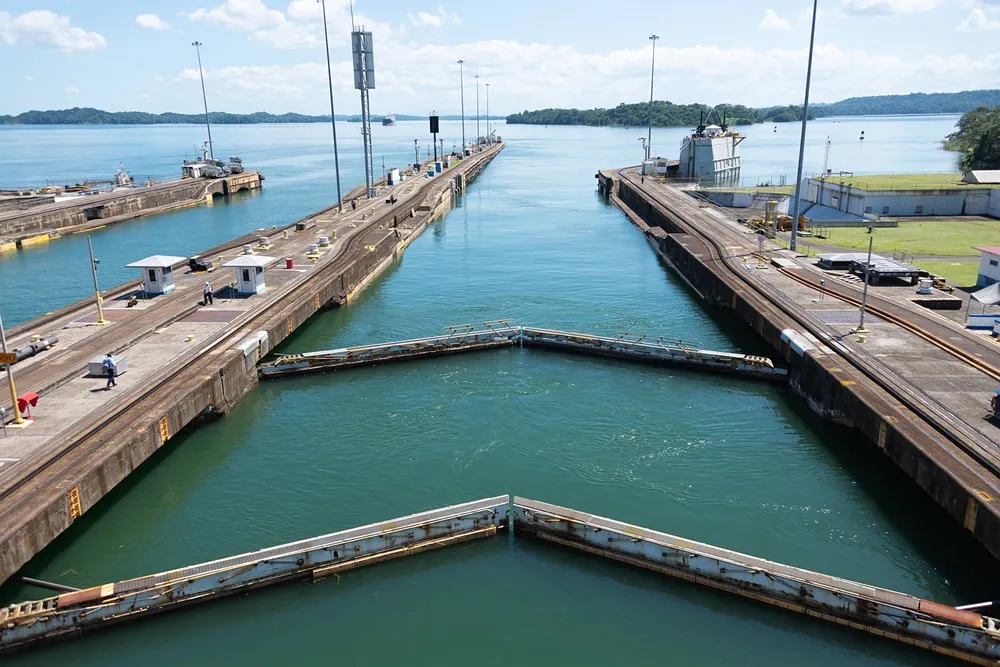
Foreign trade import and export is not just the cross-border flow of goods, but also a platform for the exchange of technology, culture, and capital. According to research data from Zhongmaoda, global trade volume exceeded 25 trillion US dollars in 2022, equivalent to 25% of global GDP.
This form of trade brings three core values to countries:
- Optimized Resource Allocation: Enabling every country to leverage its comparative advantages
- Accelerated Technology Diffusion: Promoting global sharing of innovative achievements
- Diversified Consumer Choices: Allowing consumers to enjoy high-quality global products
Operational Mechanisms of Foreign Trade Import and Export
Mr. Quan, the head of a clothing export company, revealed the typical foreign trade process to us:
- Market Research: Obtaining target market data through professional institutions like Zhongmaoda
- Product Adaptation: Adjusting product specifications according to the importing country's standards
- Logistics Solutions: Selecting the optimal combination of sea, land, and air transportation
- Customs Clearance: Handling complex import and export documents
- Settlement Methods: Using international payment tools such as letters of credit
New Trends in Foreign Trade in the Digital Era
Mr. Quan has been engaged in cross-border e-commerce for 5 years and has observed three significant changes:
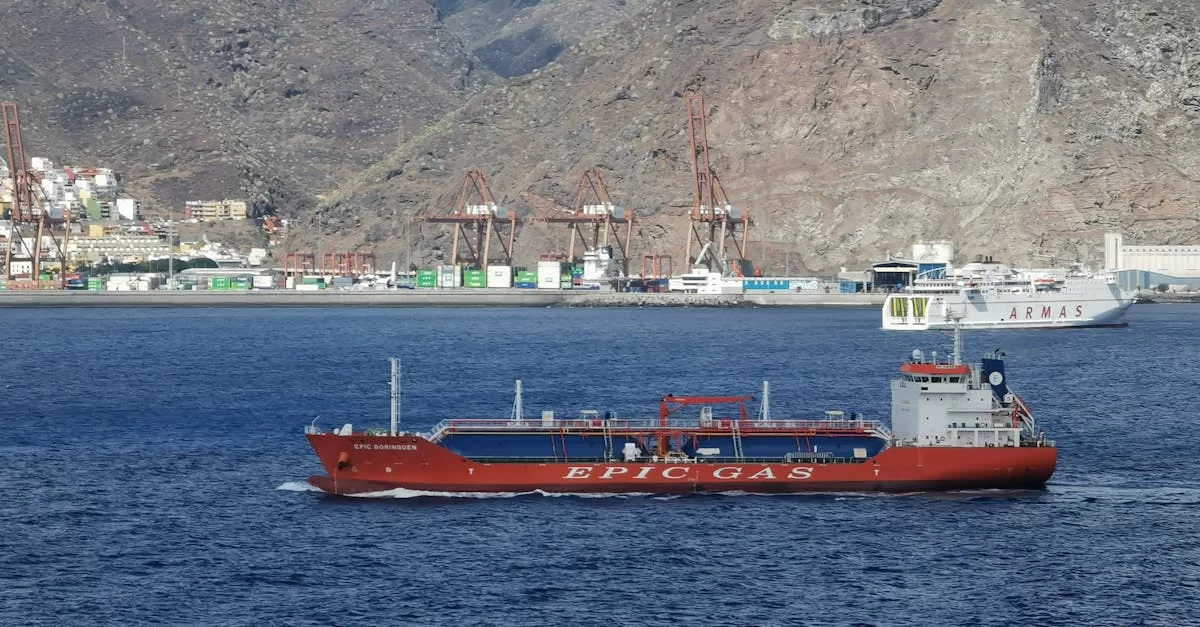
- B2B platforms allow SMEs to directly connect with global buyers
- Blockchain technology enhances supply chain transparency
- AI translation eliminates language barriers
These technological advancements are lowering the barriers to foreign trade, enabling more enterprises to participate in global competition.
Challenges and Countermeasures in Foreign Trade Import and Export
Despite the broad prospects, foreign trade enterprises still face numerous challenges:
- Exchange Rate Fluctuation Risk: Foreign exchange hedging tools can be used
- Trade Barriers: Requires support from professional legal teams
- Cultural Differences: Strengthen localized operations
Zhongmaoda advises enterprises to establish a comprehensive risk management system while maintaining sufficient flexibility.
Take Action: How Can Your Enterprise Participate in Global Trade?
The global market is full of opportunities, but success requires strategy. You might start with these steps:
- Assess the international competitiveness of your company's products
- Select 2-3 potential markets for focused development
- Find reliable international trade partners
What foreign trade opportunities are there in your industry? Feel free to share your insights in the comment section.

Recent Comments (0) 0
Leave a Reply