Mr. Lin recently received an overseas order but was required to submit additional materials during customs declaration, causing his goods to be detained at the port. Mr. Lin cross-border e-commerce package was delivered with severely deformed outer packaging due to an inappropriate transportation plan. Behind these scenarios lies a common issue: ambiguity in companies' understanding of export agents and freight forwarders. This article will take 10 minutes to clarify the differences and collaborative logic between these two key foreign trade roles.
The Dispute Over Definitions: Where Do Service Boundaries Lie?
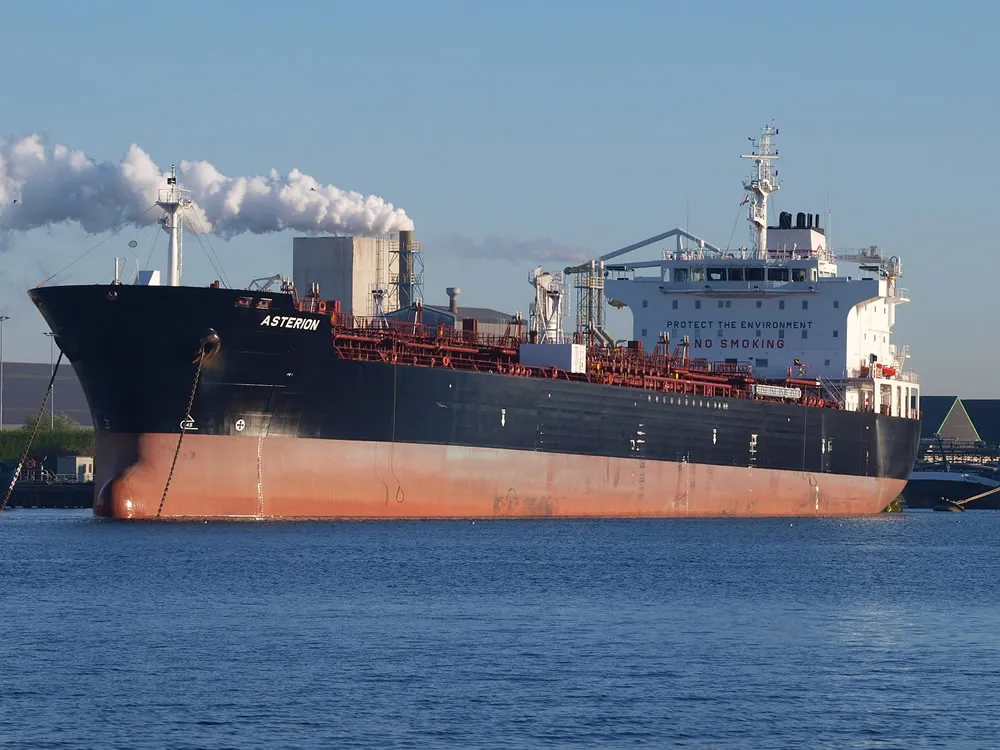
An Export Agent is essentially a trade service provider, with core functions including:
- Processing export documents (proforma invoice, certificate of origin, etc.)
- Arranging commodity inspection, customs declaration, and other compliance procedures
- Assisting with foreign exchange settlement and tax refunds
A Freight Forwarder, on the other hand, is a logistics expert, primarily providing:
- Transportation plan design (sea freight/air freight/multimodal transport)
- Booking, container stuffing, and cargo tracking services
- Coordination of customs clearance at the port of destination
Simply put, export agents address the question of "Can it be sold?", while freight forwarders address the question of "How to transport it?". Comprehensive service providers like Zhongmaoda achieve full-chain coverage through dual-qualified teams.
Collaboration Scenarios: Typical Cases Where 1+1>2
When a batch of precision instruments needs to be exported to Germany:
- The export agent confirms the product's HS code is eligible for a 9% tax refund.
- The freight forwarder designs a shock-resistant and temperature-controlled transportation plan.
- Both parties collaborate to complete export customs declaration and dangerous goods declaration.

Guide to Avoiding Pitfalls in Selection
Companies often fall into three traps:
- Believing that lower prices are always better (hidden fees often emerge later).
- Underestimating the overseas network coverage capabilities of agents.
- Failing to verify the qualifications of agents for special cargo, such as hazardous materials.
It is recommended to use a trial shipment mechanism to evaluate service providers: test the entire process with a small batch of goods first, focusing on the accuracy of document processing and the speed of response to anomalies.
Revolution in Agent Services in the Digital Age
Leading agent services now offer:
- Real-time updates on customs declaration status.
- AI optimization of transportation routes.
- Blockchain-based proof of electronic bills of lading.
After a certain apparel exporter integrated into a digital system, the average processing time for each shipment was reduced from 72 hours to 8 hours.
Actionable Advice: What Should Your Company Do?
Implement a three-step self-check immediately:
- Review all details of agent service fees for the past six months.
- Check the exemption clauses in the cooperation agreements with existing agents.
- Establish a mechanism for archiving and analyzing transportation anomaly events.

Recent Comments (0) 0
Leave a Reply