Under the wave of global economic integration, the furniture export and trade industry is showcasing its unique charm and vitality. Imagine exquisite sofas, elegant dining sets, and practical wardrobes crossing borders to enter homes and offices worldwide – this is the thriving development of furniture export and trade. Today, let us delve into all aspects of furniture export and trade together.
I. Market Status of Furniture Export and Trade
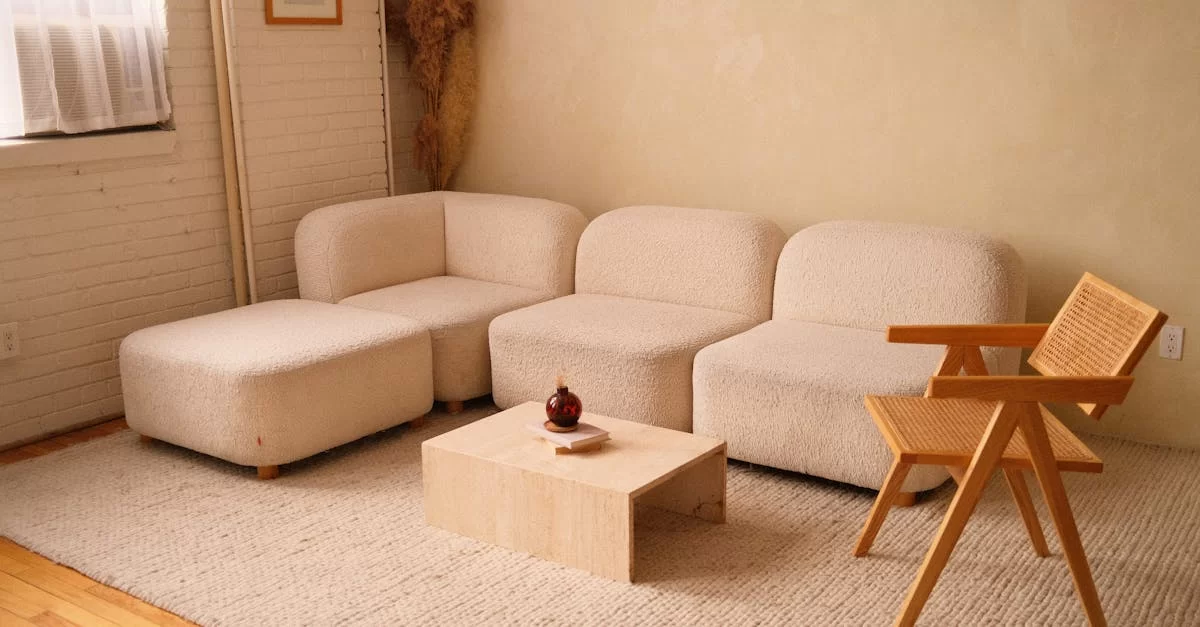
In recent years, with the improvement of people's living standards and the continuous development of the global real estate market, the demand for furniture has shown a steady growth trend. Especially in some developed countries, consumers' pursuit of high-quality and personalized furniture has further driven the prosperity of furniture export and trade. According to relevant data, the global furniture trade volume has been increasing year by year, and many enterprises, such as Zhongmaoda, have contributed a considerable share in this field.
Different regions also have different preferences for furniture styles. For example, the European market favors minimalist, fashionable furniture with a strong artistic flair; while the North American market tends to prefer grand and practical styles. Understanding these market preferences is crucial for furniture export and trade enterprises; only by catering to their tastes can they better open up the market.
II. Challenges Faced by Furniture Export and Trade
Differences in Quality Standards: Different countries have strict and varying regulations regarding furniture quality standards. For instance, some countries have extremely high requirements for environmental protection indicators, with detailed standards for formaldehyde emissions from raw materials to harmful substances in surface coatings. This requires exporting enterprises to strictly control product quality and ensure compliance with the requirements of each target market; otherwise, they are prone to returns or even fines.
- Transportation Costs and Losses: Furniture is usually large and heavy, which leads to high transportation costs. Moreover, during long-distance transportation, bumps and abrasions can easily occur, affecting the final quality of the products. How to choose suitable transportation methods and packaging materials to reduce transportation costs and minimize losses is an issue that enterprises need to continuously consider.
Trade Barriers: Some countries may set up various trade barriers, such as tariff adjustments and import quotas. These measures undoubtedly increase the difficulty of furniture export and trade. Enterprises need to closely monitor policy changes in various countries and adjust their export strategies in a timely manner to cope with the ever-changing trade environment.
III. Strategies for Seizing Opportunities and Addressing Challenges
For furniture export and trade enterprises, to stand out in fierce market competition, the first priority is to focus on product innovation. Continuously developing furniture products that align with market trends and possess unique functionalities can attract more consumer attention. Zhongmaoda has performed relatively well in this regard, with continuous investment in research and development, launching several innovative furniture products that are highly popular in the market.
Establishing a good brand image is also key. By providing high-quality products and services, building a trustworthy brand in the international market, and making consumers prioritize your brand among numerous choices. Additionally, strengthening cooperation with international logistics companies and optimizing transportation plans to reduce transportation risks are effective measures to address transportation challenges.
The furniture export and trade industry is undoubtedly full of opportunities, but it also faces numerous challenges. Only by deeply understanding the market status, clearly recognizing the difficulties encountered, and actively adopting effective countermeasures can enterprises gain a share in this vast market. Dear readers, in what areas do you think furniture export and trade enterprises need to make further efforts in the future? Please leave your comments in the discussion section to jointly contribute ideas for the development of this industry.

Recent Comments (0) 0
Leave a Reply