On the grand stage of global trade, general import and export goods act like vibrant protagonists, unfolding countless fascinating economic narratives. From the bustling ports and docks of vibrant cities to border crossings deep in the interior, the presence of general import and export goods is ubiquitous. They are sharp tools for businesses to explore international markets and bridges for consumers to enjoy high-quality global products. So, what exactly are general import and export goods? Let us together unveil their mysterious facade.
Definition and Characteristics of General Import and Export Goods
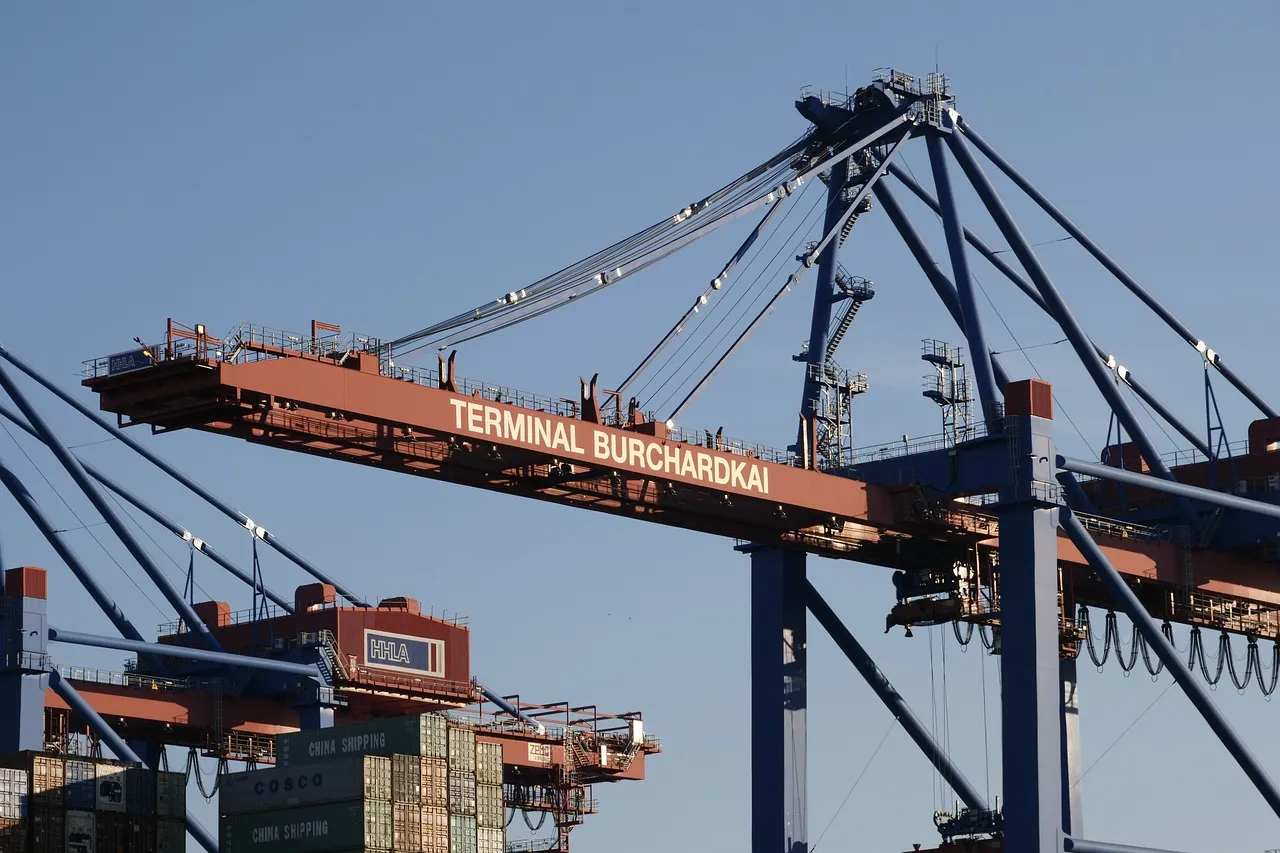
General import and export goods, simply put, are import and export goods for which applicable import and export duties and taxes have been paid at the entry/exit stage, and all necessary customs procedures have been completed, and which are no longer subject to customs supervision after release. This means that their customs clearance process is relatively straightforward; once the relevant procedures are completed, they can freely circulate in domestic or overseas markets.
Their greatest characteristic is the universality implied by the word 'general'. Compared to specific duty-exempt or duty-reduced goods, bonded goods, etc., general import and export goods do not have special policy restrictions or regulatory requirements. They widely cover all types of commodities, from daily consumer goods to industrial raw materials, from high-tech products to traditional handicrafts, encompassing almost everything. For example, the fashionable clothing exported abroad by Mr. Luo apparel company falls into the category of general import and export goods.
Customs Declaration Process for General Import and Export Goods
The customs declaration process for general import and export goods is rigorous and orderly. Firstly, the consignee or consignor of import and export goods, or their agent, must prepare complete customs declaration documents, including commercial invoices, packing lists, bills of lading, customs declarations, etc. These documents are like 'keys' for customs clearance, and their accurate completion is crucial.
Next, the customs declaration documents are submitted to customs for declaration. Customs will conduct a strict review of the declared content, verifying the authenticity, legality, and reasonableness of the declared price of the goods. After the review is approved, enterprises need to pay the corresponding customs duties, value-added tax, and other taxes and fees. Only after all taxes and fees are paid will customs release the goods, completing the entire customs declaration process. Taking Mr. Luo foreign trade company importing a batch of electronic products as an example, her team must strictly follow this process to ensure smooth customs clearance for the goods.
Economic Impact of General Import and Export Goods
The driving effect of general import and export goods on the economy cannot be underestimated. For exports, they are an important avenue for enterprises to expand overseas markets and earn foreign exchange. A large number of high-quality general export goods not only enhance the international visibility and competitiveness of domestic products but also create numerous employment opportunities. Just as Zhongmaoda Company assists many enterprises in selling their products worldwide, driving the prosperous development of related industries.
Meanwhile, imported general goods enrich the variety of commodities in the domestic market and satisfy consumers' diverse needs. At the same time, imported advanced technologies and equipment also provide support for the technological upgrading and industrial transformation of domestic enterprises. It can be said that general import and export goods play a pivotal role in promoting international economic exchange and cooperation and advancing the process of global economic integration.
Prospects for the Future of General Import and Export Goods
With the continuous development of the global economy and the constant changes in the trade environment, general import and export goods also face new opportunities and challenges. The trend of digital and intelligent customs clearance will make the customs declaration process more convenient and efficient, reducing operational costs for enterprises. However, factors such as the rise of trade protectionism and the uncertainty of international logistics also pose certain obstacles to general import and export goods trade.
As trade practitioners, we need to keep pace with the times, continuously enhance our professional literacy and response capabilities, make full use of policy advantages, and actively explore markets. At the same time, we also look forward to governments and relevant departments further optimizing the trade environment, strengthening international cooperation, and creating broader development space for general import and export goods trade. Let us move forward hand in hand, amidst the tide of general import and export goods trade, to write an even more brilliant chapter.

Recent Comments (0) 0
Leave a Reply