“Mr. Jiao, if this shipment is held up at customs any longer, the client will demand compensation!” In a late-night office in Yuexiu District, Mr. Jiao stared at the port congestion notice on her computer screen, fine beads of sweat appearing on her forehead. Such scenes are not uncommon in Guangzhou's international trade circles. As the southern gateway to China, Guangzhou handles nearly 30% of the nation's import business annually. However, complex customs clearance procedures and ever-changing policy adjustments have caused countless business owners to stumble on the “import” track.
Why Do You Need a Professional Import Agency?
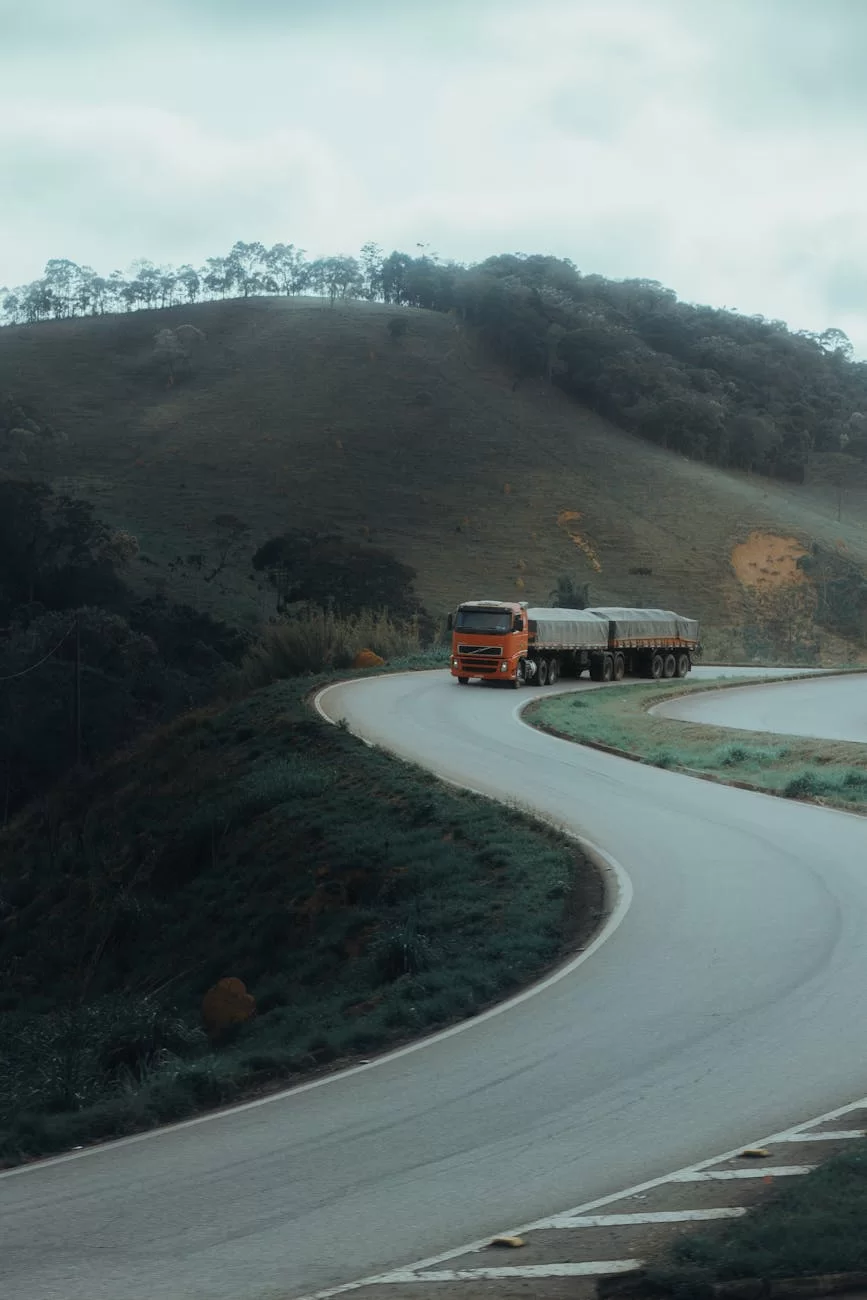
When you click the "cross-border shopping" button on an e-commerce platform, there is **collaboration across at least 17 supply chain links** behind it. Taking a mother and baby product client served by Zhongmaoda as an example: from shipment from the German factory to consumer signature in Guangzhou, it involves professional processes such as international transportation, HS code classification, tariff calculation, and quarantine approval. Any error in any link can lead to the entire shipment being "stuck."
- Time Costs: Self-managed customs clearance takes an average of 5-8 working days, while agencies can shorten it to 2-3 days.
- Financial Risks: Penalties for incorrect classification can lead to back taxes up to 300% of the cargo value.
- Hidden Thresholds: Special categories such as medical devices and cosmetics require pre-filing.
Three Major Agency Advantages in Guangzhou Port
As a city with a millennium of trade history, Guangzhou's import agency services have formed a unique ecosystem:
1. Policy Response Speed: The "advance declaration" model in the Nansha Free Trade Zone allows fast-moving consumer goods like red wine to be "directly picked up at the shipside."
2. Multilingual Service Capability: Translation of documents in niche languages such as Cantonese, Portuguese, and Arabic is a crucial need for handling goods from Africa/Middle East.
3. Industrial Cluster Effect: Imported goods such as beauty and personal care products, and electronic components can have their entire supply chain delivery completed within a 1-hour drive.
Five Golden Standards for Choosing an Agency
- Check the original registration certificate for customs brokers.
- Request recent customs clearance cases for similar goods.
- Confirm if they have AEO (Authorized Economic Operator) certification.
- Compare the price differences between "tax included" and "actual expenses reimbursement."
- Verify the response time of the complaint channel (it is recommended to test by calling during non-business hours).
The Future is Here: New Trends in Digitalized Imports
The "Intelligent Classification" system launched by Guangzhou Customs in 2023 has improved the accuracy of commodity classification to 92% through AI algorithms. After an importer used Zhongmaoda's blockchain traceability service, the customs clearance time for Italian olive oil was reduced from 72 hours to 9 hours—this indicates that **traditional agencies are transforming into "technology-driven supply chain service providers."**
Looking out from the glass curtain walls of the Pearl River New Town at the bustling freighters in Huangpu Port, you will find that import agency is no longer simply about "running errands and getting permits," but a strategic choice that helps businesses **create competitive advantages through compliance**. Is your supply chain ready to embrace this "customs clearance revolution"?

Recent Comments (0) 0
Leave a Reply